
This post may contain affiliate links. If you buy something from one of our links we may earn a commission. Thanks
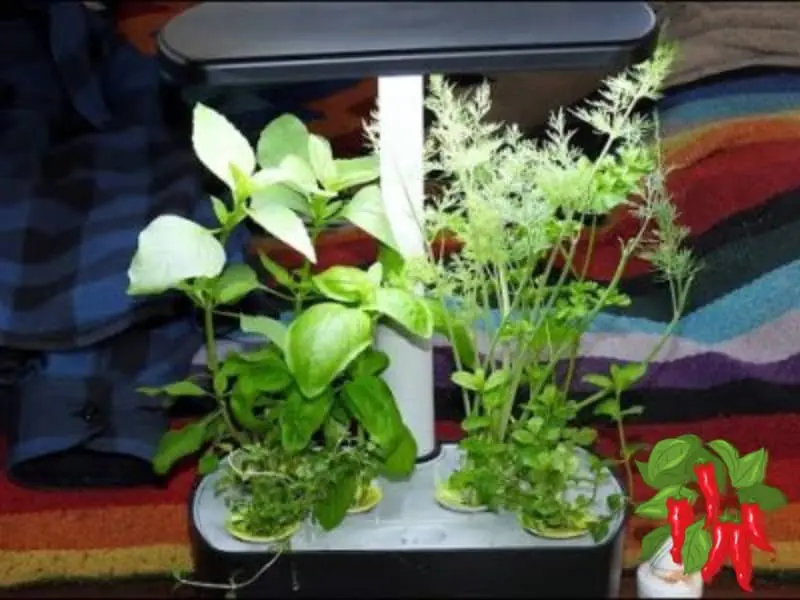
If you’ve been curious about countertop hydroponics but don’t want to mess with reservoirs, air pumps, or mixing nutrients by hand, this AeroGarden Growing Guide: Start Here is your simple entry point.
An AeroGarden is basically plug-and-grow hydroponics. Add water, drop in pods, press a button — and you’re growing indoors without soil. If you want the complete breakdown of how the system works, start with the
AeroGarden Guide: Grow Easy Indoor Gardens that Thrive.
What You’ll Learn
• How an AeroGarden works and why it’s beginner-friendly
• Which AeroGarden model makes sense for your space
• What grows best in an AeroGarden
• Simple upgrades that improve growth
• How to avoid common beginner mistakes
What Is an AeroGarden and How Does It Work?
An AeroGarden is a compact hydroponic system designed for kitchens, apartments, and small spaces. Instead of soil, plants grow in seed pods supported by water and liquid nutrients. A built-in pump circulates oxygen through the water while LED grow lights provide consistent light overhead.
Think of it as hydroponics made approachable. No timers to set. No complicated plumbing. The system reminds you when to add water and nutrients, which removes most of the guesswork.
Which AeroGarden Should You Start With?
If you’re not sure where to begin, read
What AeroGarden Should I Buy? for a side-by-side breakdown.
For most beginners, the Harvest model is a solid starting point. If you want more plant capacity or taller grow height for tomatoes and peppers, step up to the Bounty line.
You can also see a real-world experience in the
AeroGarden Harvest Review.
What Grows Best in an AeroGarden?
Leafy greens and herbs are the easiest wins. Basil, parsley, lettuce, and spinach grow fast and stay manageable indoors.
If you want something more productive, tomatoes and peppers can thrive with regular pruning and proper spacing.
Helpful crop guides:
- How to Grow Basil Hydroponically in Your AeroGarden
- How To Grow Bloomsdale Spinach in an AeroGarden Harvest
- Can You Grow Tomatoes In An AeroGarden?
- Growing Chili Peppers In An AeroGarden Harvest
Simple Upgrades That Improve Growth
While AeroGardens work straight out of the box, a few small additions can boost performance.
- Should You Add Airstones To Your AeroGarden?
- Silent Air Pump For AeroGarden
- AeroVoir Self Watering System
- AeroGarden Pods DIY
Maintenance and Cleaning
Keeping your system clean prevents algae and root issues. A full cleaning between plant cycles keeps everything running smoothly.
Follow this step-by-step guide:
How To Clean An AeroGarden Harvest.
AeroGarden vs DIY Hydroponics
If you’ve explored other indoor growing methods on this site, you’ve probably seen systems like Kratky, DWC, or small closet grow setups. So where does an AeroGarden fit?
The biggest difference is simplicity. A DIY hydroponic system gives you full control over reservoir size, nutrient strength, lighting power, and plant spacing. That’s great if you want to experiment or grow larger crops.
An AeroGarden, on the other hand, is designed for convenience. The pump cycle is preset. The lights are calibrated for small plants. Nutrient feeding is straightforward. You trade some flexibility for ease of use.
If your goal is fresh herbs on the counter with minimal setup, AeroGarden wins. If your goal is maximum yield per square foot, a larger DWC or drip system may be the better long-term path.
What to Expect From Your First Grow
Most first-time growers are surprised by how fast herbs sprout. You’ll usually see seedlings within a week, and harvestable growth within three to five weeks depending on the crop.
Tomatoes and peppers take longer. Expect flowering around four to six weeks, with fruit following after that. Because the light hood height is limited, regular pruning becomes important once plants mature.
Yield is steady rather than massive. You won’t supply a farmers market from one countertop unit — but you can absolutely keep your kitchen stocked with fresh herbs or salad greens.
Common Beginner Mistakes to Avoid
Overcrowding is the biggest mistake. Just because your model has space for six pods doesn’t mean six large plants should grow at the same time. Leafy greens mix well. Large fruiting plants need more room.
Skipping pruning is another common issue. Herbs like basil need regular trimming to stay bushy. Tomatoes and peppers require shaping so they don’t block light from neighboring plants.
Finally, don’t ignore root maintenance. Between grow cycles, trim excessive root mass and fully clean the reservoir. A clean system grows faster and prevents algae problems.
Common Beginner Questions
How long does it take an AeroGarden to sprout?
Most herbs sprout in 3–7 days. If you’re unsure whether something is happening, see
How Long For An AeroGarden To Sprout.
Do AeroGardens use a lot of electricity?
No. They run LED lights and a small pump. Energy use is surprisingly low for year-round indoor growing.
Read more here:
Do AeroGardens Use A Lot Of Electricity?.
Are AeroGardens worth buying?
If you want simple, reliable indoor food growing without building a full hydroponic system, they’re one of the easiest options available.
See a deeper review:
Is An AeroGarden Worth Buying?.
AeroGarden Growing Guide FAQs
Can you grow vegetables year-round in an AeroGarden?
Yes. Because AeroGardens use built-in LED grow lights, you can grow herbs, lettuce, and compact vegetables year-round indoors without relying on outdoor seasons.
Do you need to prune plants in an AeroGarden?
Yes. Regular pruning keeps herbs bushy and prevents taller plants like tomatoes and peppers from crowding the light. It also improves airflow and helps prevent disease.
Is the AeroGarden Growing Guide: Start Here good for beginners?
Yes. This AeroGarden Growing Guide: Start Here hub links you to model selection help, crop guides, maintenance steps, and upgrades so you can grow confidently without guesswork.
How long does it take for an AeroGarden to sprout?
Most herbs sprout in about 3–7 days. Leafy greens are often in the same range. Fruiting plants like tomatoes and peppers may take 7–14 days depending on variety and room temperature.
Do AeroGardens use a lot of electricity?
No. AeroGardens run efficient LED grow lights and a small circulation pump. For most homes, the cost is closer to running a light fixture than running a major appliance.
Final Thoughts
I love my Aerogarden. It fits just about anywhere, which is great for me because I have a small apartment. I have had mine for over 3 years, and it still works perfectly.
It can even fit on a shelf, and because it has a built-in light, all I need is an outlet to start growing. It’s easy to use and great for growing herbs on a kitchen counter.
References
• University Extension resources on hydroponic plant nutrition
• Controlled environment agriculture research publications
• Manufacturer technical documentation for LED grow lighting