
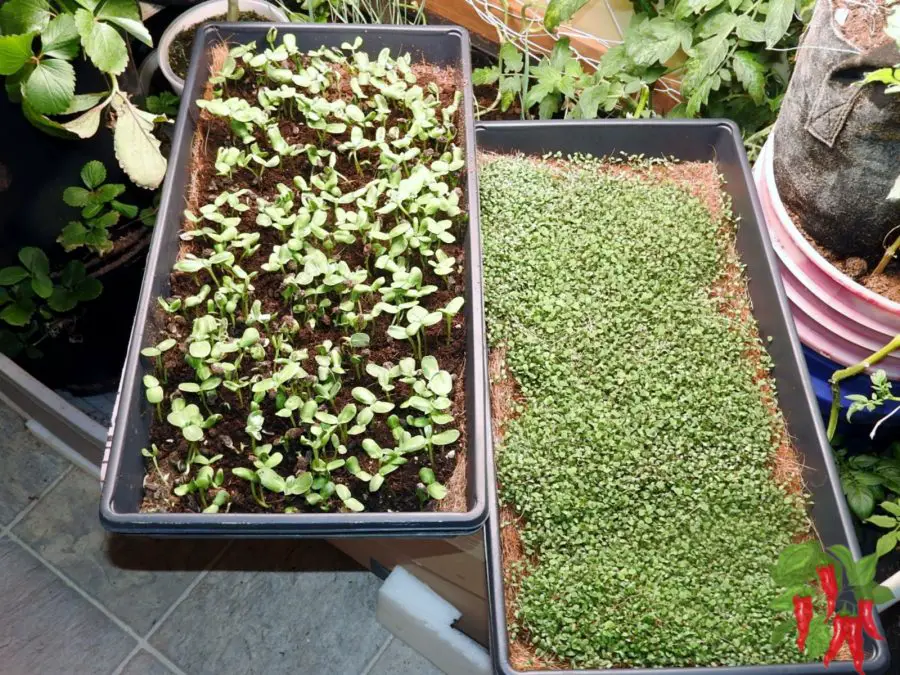
9 Reasons To Grow Microgreens At Home might be all you need to finally start. If you’ve been wanting to grow your own food but don’t have much room, microgreens are one of the easiest places to begin.
They grow fast, need very little space, and can fit almost anywhere from a kitchen counter to a shelf under lights. That makes them one of the most beginner-friendly indoor crops you can grow.
In this guide, we’ll break down why microgreens are worth growing, what makes them so practical, and why they’ve become one of the easiest ways to harvest fresh food indoors.
🌱 What You’ll Learn
- Why microgreens are one of the easiest beginner crops
- How they fit into small-space gardening
- Why they’re fast, affordable, and practical
- How to keep a steady supply growing indoors
- The few downsides you should know first
🥬 Quick Answer
Growing microgreens at home is fast, inexpensive, and beginner-friendly. They need very little space, grow in about 7–14 days, and give you fresh greens year-round with simple trays and basic lighting.
9 Reasons To Grow Microgreens At Home
1. Microgreens are fast-growing
2. Microgreens are easy to grow
3. Microgreens need little space
4. Microgreens can be grown year-round
5. Microgreens are inexpensive to grow
6. Microgreens are a sustainable food choice
7. Microgreens are nutritious
8. Microgreens Taste great
9. Microgreens are expensive to buy
Above are nine of the best reasons to start growing your own microgreens at home. If you are short on space or have never gardened before growing microgreens is a great place to start. Let’s take a look at them.
1. Microgreens are fast-growing
Microgreens are a fast-growing crop. They are typically ready to harvest 7-14 days after sprouting.
So if you are the type that is impatient and wants to see fast results they are the perfect crop for you.
2. Microgreens are easy to grow
Microgreens are very easy to grow. Even people who have never gardened before or have been unsuccessful in outdoor gardens can succeed in growing microgreens indoors.
Microgreens are a type of baby green that can be harvested just a few weeks after planting. Their fast maturity eliminates many problems that can occur with longer-maturity plants.
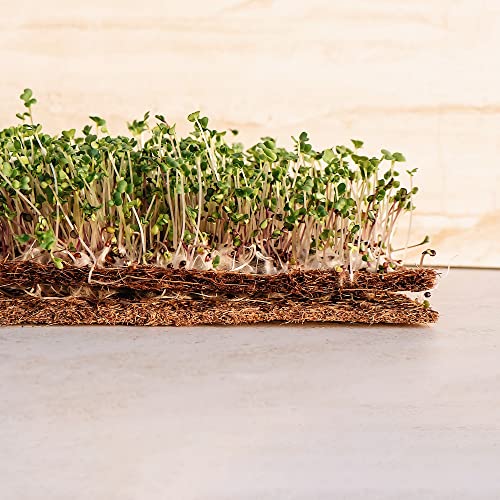
They are usually grown in soil, although some growers prefer to use coco coir or coco grow mats in their systems.
Microgreens are typically grown in trays or flats, and they can be grown indoors or out.
One of the big advantages of growing microgreens is that they are very easy to care for.
Once the seeds have been planted, they only need to be watered regularly and kept free of pests.
Additionally, microgreens don’t require a lot of space, making them ideal for small gardens or even windowsills.
As a result, anyone can enjoy the taste and nutrition of microgreens, regardless of their gardening experience.
3. Microgreens need little space
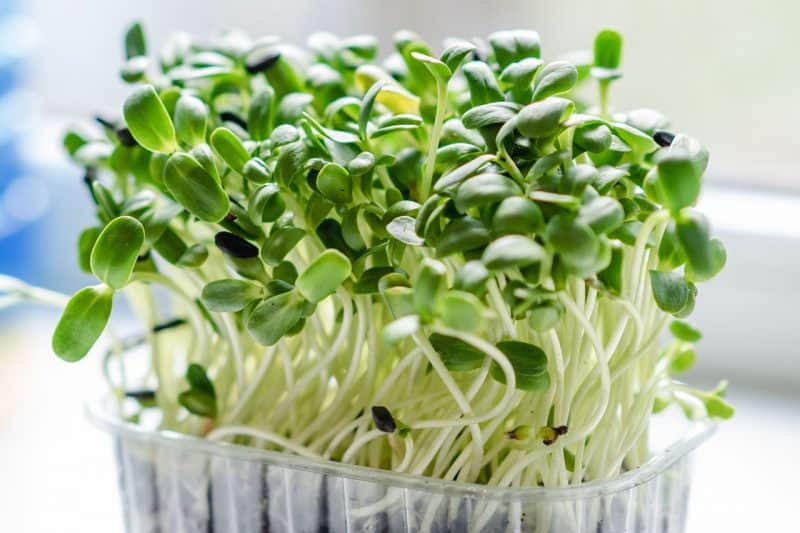
One of the best things about growing microgreens is that you don’t need a lot of space to grow them.
They are the perfect crop for people who live in an apartment or condo and don’t have an outdoor space to garden in.
You can grow them on a sunny windowsill or on a kitchen counter or even on a shelf with a grow light.
4. Microgreens can grow year-round
Microgreens can be grown indoors year-round even in the winter when there is nothing that can be grown outdoors.
During the summer you can grow microgreens on a sunny windowsill but if you want to grow microgreens in the winter you will need to provide supplemental lighting for them.
LED grow lights are the best choice for this although fluorescent shop lights can also be used.
You want to make sure your microgreens get enough light otherwise they will etiolate or get leggy. You want to grow leaves without long stems.
🏡 Best Indoor Locations for Growing Microgreens
One of the best things about microgreens is how flexible they are indoors.
- Kitchen counters: Great for easy harvesting and daily use.
- Sunny windowsills: Good for casual trays.
- Shelves with grow lights: Best for year-round consistency.
- Laundry rooms or utility shelves: Great if warm enough.
5. Microgreens are inexpensive to grow
It is easy to start growing microgreens. You only need trays, soil, and seeds to get started.
You can use recycled food containers or buy inexpensive seedling trays online. Here is how to grow microgreens in trays.
Make sure you buy seeds that are made for sprouting which are organic and non-GMO.
Some seeds may be treated with agricultural chemicals and most bird seed is treated to stop it from sprouting.
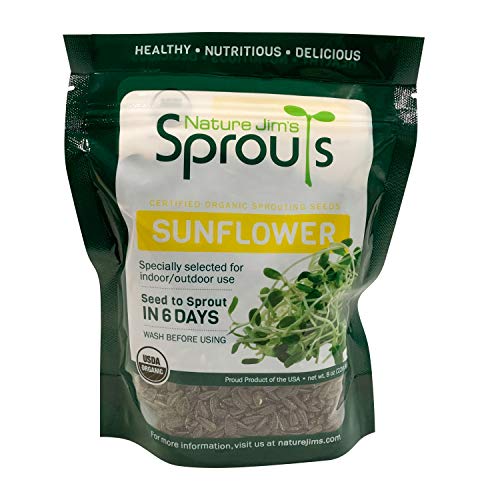 By the way, sunflower microgreens are the most popular microgreen probably because they have a sweet, nutty taste.
The black oil variety is most often grown. Learn how to grow sunflower microgreens.
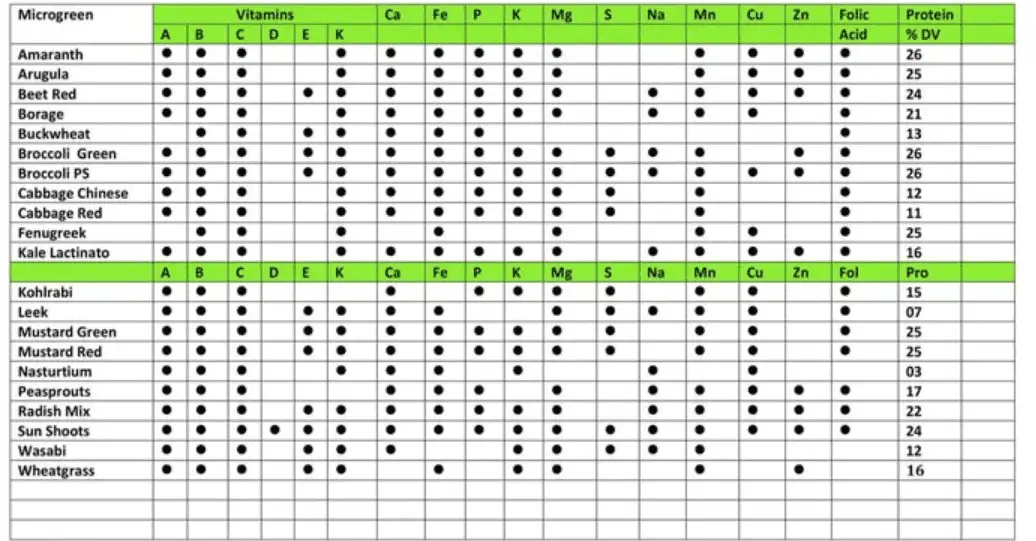
6. Microgreens are nutritious
Microgreens are small but mighty with a powerful nutritional punch. While sprouts are just a root and newly germinated seeds grown in water, microgreens are grown in soil to a size that contains green leaves. They are more nutritious than sprouts.
Early research has indicated that microgreens contain up to 40% more phytochemicals (beneficial nutrients and components) than their full-grown counterparts. https://www.webmd.com/diet/what-to-know-about-microgreens
7. Microgreens are expensive to buy
Microgreens are expensive to buy at the supermarket. They can also be in short supply too.
Microgreens can be kept for about six days and after that time nutrition levels go down.
The microgreens in a supermarket will not be as nutritious as the freshly harvested microgreens you harvest yourself.
8. Microgreens are a sustainable food choice
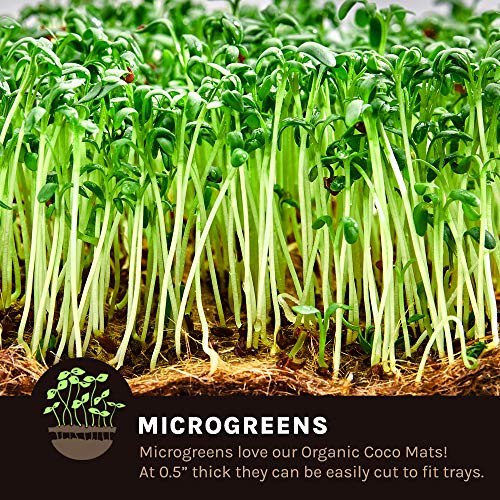
Microgreens are a type of baby vegetable that is harvested shortly after the seedling stage.
They are typically grown indoors under controlled conditions, which makes them a sustainable food choice.
The small size of microgreens means that they have a smaller footprint than traditional vegetables, and they can be grown year-round.
In addition, microgreens require less water and fertilizer than other types of vegetables.
In fact, microgreens require no fertilizer at all as the seed itself provides all the nutrients they need.
As a result, they are an environmentally friendly option for those looking for a sustainable food source.
9. Microgreens Taste great
Microgreens are becoming increasingly popular with chefs and home cooks alike, and it’s easy to see why.
These tiny greens pack a big flavor punch, adding a zesty brightness to any dish. And unlike traditional greens, microgreens can be harvested just a few weeks after planting, making them a great option for those with limited space or time.
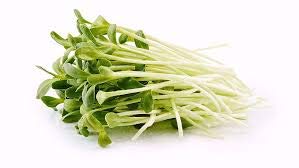
Whether you’re looking to add a pop of color to your plate or want to experiment with new flavors, microgreens are a great way to do it.
Microgreens are a versatile and flavorful addition to any dish. These delicate greens can be used to add color, texture, and flavor to both cooked and raw dishes.
When cooked, microgreens retain their bright color and fresh flavor. They can be added to stir-fries, sautéed, or mixed into soups and sauces.
Raw microgreens make a beautiful and tasty garnish for salads, sandwiches, and main courses.
Microgreens can also be used as a unique ingredient in pestos, coulis, and vinaigrettes.
With their delicate flavor and nutrition-packed punch, microgreens are a valuable tool in any cook’s repertoire.
Beginners Guide to Growing Microgreens
Here is a good beginner guide on growing microgreens. I grow mine the same way but I use coco grow mats instead of jute.
The only other thing I do differently is that I use full-size 1020 trays and although domes are available for them I don’t use a dome over the seedlings. I don’t want to cut off airflow and domes can lead to fungus disease like damping off.
Disadvantages Of Growing Microgreens
To be fair no growing system or garden is perfect. So that includes some disadvantages to growing microgreens.
The main disadvantage of growing microgreens is that they are a one-and-done crop.
Most microgreens will not grow back once harvested. So you will want to sow them in succession to have a continual supply.
Also if you are used to going out and harvesting garden plants throughout the growing season you may not like having to harvest everything at once.
🛠️ Common Problems Beginners Run Into
Leggy Growth
Usually caused by weak light.
Mold on Soil
Usually from overwatering or poor airflow.
Uneven Germination
Often from dry spots or uneven seed spread.
Damping Off
A common fungal issue from overly wet trays.
Fast Drying Trays
Small trays dry quickly and may need daily checks.
🌱 Growing Microgreens at Home FAQs
Are microgreens easy for beginners?
Yes. They’re one of the easiest and fastest beginner crops.
Do microgreens need grow lights?
Not always, but grow lights give better consistency than windows alone.
How long do microgreens take to grow?
Most are ready in 7–14 days.
Do microgreens regrow after harvest?
Usually no. Most are single-cut crops.
What’s the easiest microgreen to start with?
Radish, broccoli, and sunflower are some of the easiest beginner choices.
🌿 Final Thoughts: One of the Easiest Ways to Grow Food Indoors
Microgreens are one of the simplest ways to start growing food at home. They’re fast, flexible, and work in almost any space.
If you’re short on room or just want fast results, microgreens are one of the best ways to build confidence and keep fresh food growing year-round.