

Vertical Gardening Ideas for Small Spaces
🏡 Looking at a blank wall, bare balcony, or tiny patio and wishing you had more room for plants?
👨🌾 Vertical gardening ideas make it easy to turn those “nothing spaces” into lush, productive green walls.
👩🌾 You don’t need a big yard—just a little creativity and a few smart structures.
What You’ll Learn 🌱
- What vertical gardening is and why it’s perfect for small spaces
- The most useful types of vertical garden structures
- Easy DIY vertical garden ideas that won’t blow your budget
- Best plants to grow in vertical gardens (edible and ornamental)
- How to water, feed, and maintain your vertical setup
- Simple design tips to make your vertical garden look polished, not messy
In this guide, you’ll find simple, practical ways to grow up instead of out: trellises, wall planters, pallet gardens, PVC pipe systems, and more. Whether you’re in an apartment, townhouse, or small home, there’s a vertical gardening idea here that can work for you.
Vertical Gardening Key Takeaways 🌿
- Vertical gardening lets you grow more plants in less floor space—perfect for balconies, patios, and small yards.
- You can build vertical gardens with trellises, hanging wall planters, living walls, pallet gardens, fence boxes, and stacked planters.
- Herbs, leafy greens, strawberries, peas, beans, and many flowers are ideal for growing up instead of out.
- Good design focuses on light, watering access, and secure mounting so your plants stay happy and your walls stay safe.
- DIY options like pallets, old cans, PVC pipes, and crates keep costs low while still looking great.
Introduction to Vertical Gardening Ideas 🌇
In today’s urban and suburban spaces, a big backyard is a luxury. But you don’t need a huge plot of land to grow a beautiful, productive garden.
Vertical gardening lets you use walls, fences, railings, and even ceilings as growing space.
Instead of spreading plants across the ground, you grow them up: on trellises, in stacked pots, in wall pockets, or on pallet planters.
This not only saves space, it also turns plain surfaces into living artwork—inside or out.
Maximizing Small Spaces with Vertical Gardens
Vertical gardening shines when ground space is limited. A small balcony, narrow side yard, or even an apartment kitchen can suddenly hold dozens of plants when you start thinking vertically.
Some great spots for vertical gardens include:
- Balcony railings and walls 🌇
- Fences and privacy screens
- Patio corners and outdoor seating areas
- Sunny indoor walls near windows
- Garage or shed walls that get good light
The key is to match the structure and plants to the location: light-loving plants in sunny spots, shade-tolerant options in sheltered corners, and secure mounting anywhere heavy planters are involved.
Types of Vertical Gardens
There’s no single “right” way to build a vertical garden. Below are popular structures you can mix and match to fit your space, style, and budget.
Trellis and Arbors
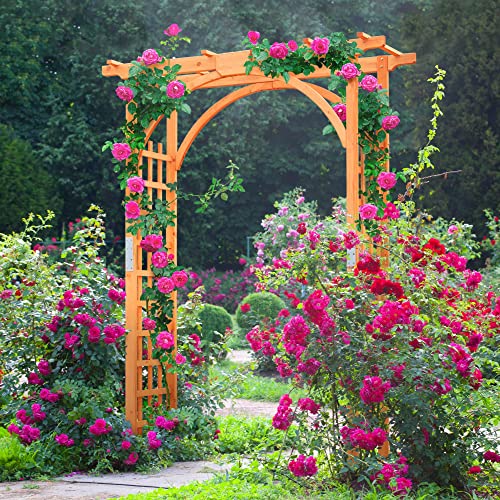
Trellises and arbors are classic vertical gardening tools. They’re perfect for any vining plant that wants to climb—flowers, veggies, or fruiting plants.
- Simple Wooden Trellis: Lean a trellis against a fence or mount it on a wall. Climbing roses, peas, beans, cucumbers, or clematis can quickly cover it with foliage and flowers.
- Arbor Walkway: Place an arbor over a path or gate and train flowering vines up and over it. It creates a cozy, almost storybook entrance into your garden space.

Hanging Wall Planters
Hanging wall planters are a sleek, modern way to bring greenery to vertical surfaces. They work indoors and out, and they’re especially popular for herbs, small flowers, and trailing plants.
- Ceramic Planters: Great for succulents and small houseplants, these add a stylish touch to living rooms, kitchens, and balconies.
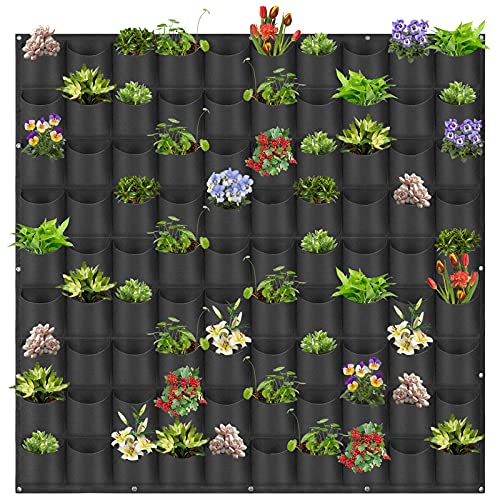
- Fabric Pocket Planters: These hanging pockets let you plant a wide range of herbs, strawberries, or small ornamentals in a grid-style “green wall.”
Living Walls
A living wall is a full-on vertical garden mounted on a wall or frame. You can create a simple version with individual pots or use pre-made panels designed for vertical planting.
- Individual Pots: Arrange matching pots on wall shelves or hanging brackets for a clean, organized look.
- Pre-Fabricated Panels: These systems come with slots or pockets for plants and often have built-in irrigation. Great for larger projects.
Fence Planter Boxes
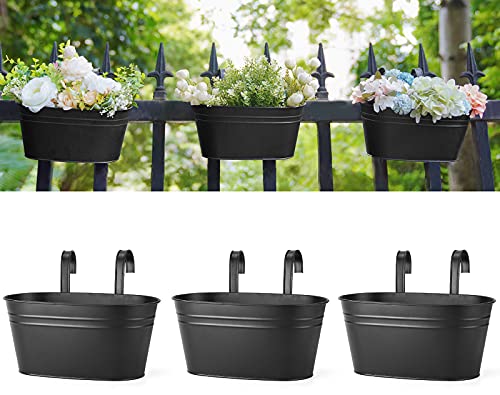
Fence-mounted planters and railing pots make excellent use of vertical space along the edge of a patio or balcony. They also add privacy and soften hard lines.
Fence Planter Materials & Advantages
| Material | Advantages |
|---|---|
| Wood | Natural look, blends with garden, durable with proper sealing |
| Metal | Strong, slim profile, modern appearance |
| Plastic/Resin | Lightweight, affordable, often self-watering |
Vertical Planters
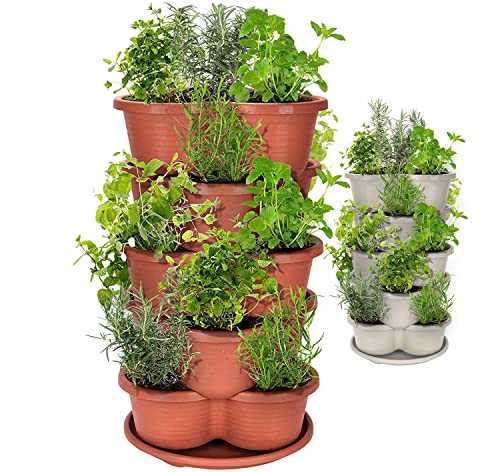
Vertical planters are stacked or tiered containers with multiple pockets or levels. They’re perfect for patios, porches, and balconies where you need a lot of plants in one small footprint.
- PVC Pipe Planters: Drill planting holes into vertical PVC pipes, fill them with potting mix, and tuck herbs or strawberries into each opening.
- Stacked Terra Cotta Pots: Create a tiered effect by stacking smaller pots on top of larger ones, with a central support rod if needed.

Wall Gardens
Wall gardens use structures like wooden pallets, ladders, or wire mesh to support pots and planters. They’re versatile and can be rustic or modern depending on your materials.
- Wooden Pallet Gardens: Lean or mount a pallet against a wall, line it with landscape fabric, and fill the openings with soil and plants.
- Wire Mesh Gardens: Attach wire mesh to a frame and hang pots from hooks. You can easily rearrange plants as you experiment.
DIY Projects for Your Vertical Garden
Vertical gardens don’t have to be expensive. With a bit of creativity, you can upcycle common items into beautiful, functional plant displays.
Cost-Effective DIY Solutions
Here are a few budget-friendly materials and how they stack up:
| Item | Cost | DIY Friendly? |
|---|---|---|
| Pallets | Low (often free) | Yes |
| Old Cans & Jars | Free or very low | Yes |
| Basic Trellis | Variable | Yes |
DIY Vertical Garden Ideas
Utilizing Small Spaces
Even the smallest spaces can host a vertical garden with the right setup:
- Balcony Gardens: Hang planters from railings, mount pocket planters on walls, or tuck a narrow vertical planter in a corner.
- Patio Gardens: Frame your seating area with a living wall or stacked planter tower for privacy and greenery.

PVC Pipe Garden
PVC pipe gardens are surprisingly simple to build and very space-efficient. You can hang them on a wall, suspend them from chains, or mount them on a frame.
- Hanging PVC Planters: Drill planting holes along the length of the pipe, cap the ends, and hang the pipe horizontally. Herbs, strawberries, and small flowers do well in these setups.
Pallet and Crate Gardens
Pallets and crates are vertical-gardening workhorses. They’re easy to find, easy to customize, and look great once planted up.
| Feature | Pallet Gardens | Crate Gardens |
|---|---|---|
| Cost | Low | Low to Medium |
| Space Efficiency | High | Medium |
| Versatility | High | High |
| Installation Ease | Medium | Easy |
| Maintenance | Medium | Low to Medium |
- Wall-Mounted Pallet Planters: Mount a pallet securely to a wall, line it, and plant herbs, flowers, or leafy greens in each slat.
- Stacked Crate Towers: Stack wooden crates in a staggered pattern to create tiered planting pockets.
Plant Varieties for Vertical Gardens
Plant choice can make or break a vertical garden. You want plants that either climb, trail, or stay compact in small pockets of soil. Think in layers: edibles where you can easily reach them, and trailing or ornamental plants higher up.
Herbs and Small Plants
Herbs are some of the easiest vertical plants. They don’t need deep soil, and you’ll actually use them in the kitchen.
- Mint, Basil, Rosemary, Thyme: Great for pockets, pots, or stackable planters. Just give them enough sun and regular trimming.
Vegetables and Fruits
Quite a few veggies and fruits adapt well to vertical growing, especially those that naturally climb or trail.
Tomatoes (especially compact or cherry types), peas, beans, and strawberries are all vertical-garden favorites. They can be grown in pockets, stacked planters, or hanging baskets.
Edible Greens
- Leafy Greens: Lettuce, spinach, arugula, and baby kale are perfect for shallow pockets and wall planters. They don’t need much root depth and can be cut-and-come-again.
Ornamental Plants
Ornamental plants bring the “wow” factor. Mix textures, foliage colors, and bloom times for a rich, layered look.
- Perennial Vines: Clematis, ivy, and other climbers slowly cover arbors, trellises, and fences.
- Annual Vines: Morning glory, sweet peas, and black-eyed Susan vine grow quickly and add bright color in one season.
Maintenance of Vertical Gardens
Vertical gardens are gorgeous, but they do need regular care. Because containers are smaller and more exposed, they often dry out faster than in-ground beds.
Watering and Fertilizing
Plan how you’ll water before you plant. For large walls, a simple drip or soaker setup can save a lot of time. For smaller arrangements, a watering can or hose with a gentle nozzle works fine—just make sure every pocket gets water.
- Check moisture more often in hot, windy weather.
- Use a high-quality potting mix that holds moisture but drains well.
- Feed container-grown plants regularly with a balanced, diluted fertilizer.
Pest and Disease Control
One big advantage of vertical gardens is visibility—you see problems early. Look over your plants as you water:
- Check undersides of leaves for pests.
- Prune out dead or damaged growth.
- Give plants enough airflow so leaves can dry after rain or watering.
Benefits of Vertical Gardening
Vertical gardening is more than just a space-saving trick. It can change the feel of a room or outdoor area and make it brighter, cozier, and more alive.
- Increased Growing Space: Grow far more plants in the same footprint.
- Air Purification: Plants help filter indoor air, especially when grouped in a vertical display.
- Aesthetic Appeal: A well-designed vertical garden becomes a living focal point in your home or yard.
Vertical Gardening Ideas FAQs
Vertical gardening has become popular for good reason—but it does raise a few common questions. Here are quick answers to help you get started with confidence.
What is vertical gardening?
Vertical gardening is a way of growing plants on upright surfaces—walls, fences, trellises, frames, or stacked planters—rather than spreading everything out on the ground. It’s ideal for small spaces and for turning plain walls into greenery.
Which plants are best for vertical gardens?
Herbs, leafy greens, strawberries, peas, beans, compact tomatoes, and many flowering vines all work well. Look for plants that either climb, trail, or stay fairly compact in containers.
How do I water and maintain a vertical garden?
Vertical gardens usually need more frequent watering than in-ground beds. Use a watering can, hose, or simple drip system so each pocket or planter gets moisture. Fertilize regularly and check for pests and diseases as you water.
Can I use DIY methods for vertical gardening?
Absolutely. Pallets, PVC pipes, old cans, wire mesh, and wooden crates can all be repurposed into vertical planters. DIY projects are a great way to save money and customize the look to suit your space.

Vertical Gardening Ideas Conclusion
Vertical gardening opens up a whole new way to grow in small spaces. Whether you’re working with a tiny balcony, a compact patio, or just a sunny wall indoors, you can turn it into a productive, beautiful vertical garden with the right ideas and structures.
Start small—a single trellis, a stackable planter, or one pallet garden—and build from there as your confidence grows. You’ll be amazed how quickly those bare surfaces turn into living, breathing green walls.
If you’re gardening in an apartment or tight indoor space, you might also enjoy my guide to creating an
apartment kitchen garden for even more small-space ideas.
Discover Vertical Gardening Ideas to transform any space into a green oasis. Dive into creative designs perfect for urban dwellers and plant lovers alike!