
This post may contain affiliate links. If you buy something from one of our links we may earn a commission. Thanks

Starting an apartment balcony garden is an easy way to bring a little nature into your home 🌿.
You don’t need a backyard to grow fresh herbs, flowers, or veggies—your balcony is enough 🌸.
With just a few containers and the right plants, you can grow herbs, flowers, or even vegetables right outside your door.
This guide shows you how to set up your space, choose what to grow, and keep everything thriving with minimal effort 🌞.
What You’ll Learn 🌟
- 🌿 How to quickly assess your balcony’s light, space, and safety before you buy plants.
- 🪴 Which containers, soil mixes, and plants work best for small apartment balconies.
- 📏 Easy ways to use vertical space so you can grow more without feeling cramped.
- 💧 Simple watering and maintenance routines that fit a busy schedule.
- 🍅 How to mix herbs, flowers, and edibles so your balcony is both beautiful and useful.
- 🌎 Practical ideas for sustainable, eco-friendly balcony gardening in a small space.
🌿 Starting an Apartment Balcony Garden
If you’re craving green space but only have a balcony, you’re in the right place. A balcony garden can be as simple as a few herb pots or as lush as a tiny jungle. You get to decide how big you go.
This guide is especially geared toward beginning indoor and apartment gardeners.
You’ll see that you don’t need special skills or fancy gear—just a bit of planning, some good soil, and plants that match your conditions.
Why a balcony garden is worth it
Just because you don’t have a backyard doesn’t mean a garden is impossible. A balcony garden can boost your mood, give you fresh herbs and veggies, and turn a dull railing into something you look forward to coming home to.
🌟 9 Easy Tips to Start an Apartment Balcony Garden
Before we dive into the details, here are the nine easy tips this guide will walk you through:
- 🌞 Understand your balcony’s light, space, and weight limits.
- 🧱 Choose lightweight containers with good drainage.
- 🌱 Use quality potting mix (not garden soil) and consider eco-friendly blends.
- 🪴 Pick beginner-friendly plants that match your sun or shade.
- 📏 Use vertical space with wall planters, shelves, and railing planters.
- 💧 Set up simple watering routines or self-watering options.
- 🪵 Add privacy and beauty with tall plants and climbers.
- 🍅 Mix herbs, flowers, and edibles to match your lifestyle.
- 🌎 Garden sustainably with compost, upcycled containers, and smart water use.
Next, we’ll break these tips into clear sections so you can build your balcony garden one step at a time.
🌞 Tip 1: Assess Your Balcony Conditions
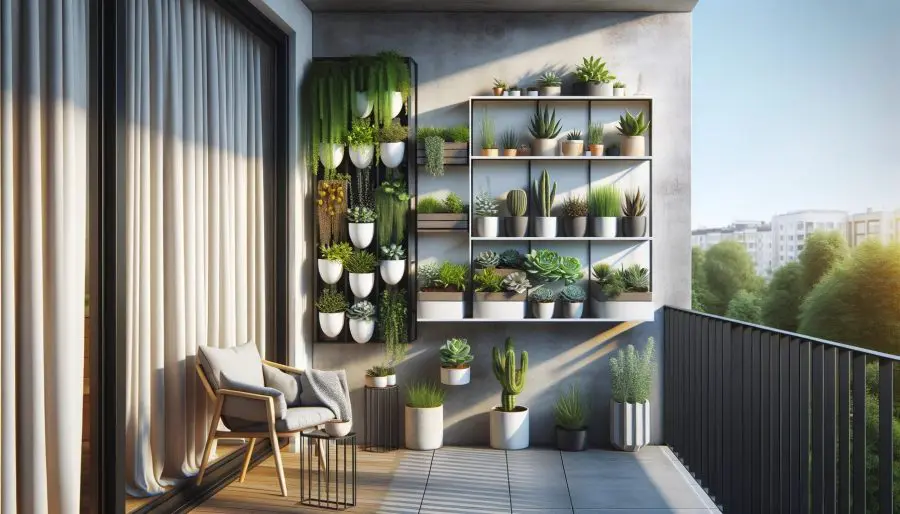
Before you choose plants or containers, take a few minutes to get to know your balcony. This one step can prevent most beginner problems later on.
📏 Space, Structure, and Safety
- 📏 Measure your usable floor space and think about how you move in and out. You want room to walk, water, and sit.
- 🏗️ Check with your building or landlord if there are weight limits for balconies. Wet soil is heavy, so lightweight containers and mixes are your friend.
- 🚪 Make sure doors still open easily and that plants won’t block emergency access.
🌤 Light and Exposure
- 🌞 Watch your balcony for a full day. Do you get full sun (6+ hours), part sun, or mostly shade?
- 🧭 Rough guide:
- 🌞 South or west-facing: more sun, great for veggies and herbs.
- 🌥 East-facing: gentle morning light, good for many herbs and flowers.
- 🌑 North-facing or shaded: better for leafy greens and shade-tolerant ornamentals.
💨 Wind, Weather, and Winter
- 💨 Higher balconies often get windy. Choose sturdy containers and consider wind-tolerant plants or small windbreaks (trellises, screens).
- ❄️ Think about balcony gardening in winter if you’re in a colder climate. Some plants can stay out; others may need to come inside.
📜 Building Rules and Regulations
- 🏢 Some buildings restrict what you can put on railings, how water drains, or the size and height of containers.
- 📋 A quick check now avoids having to dismantle your garden later.
🪴 Tip 2: Choose the Right Containers and Soil
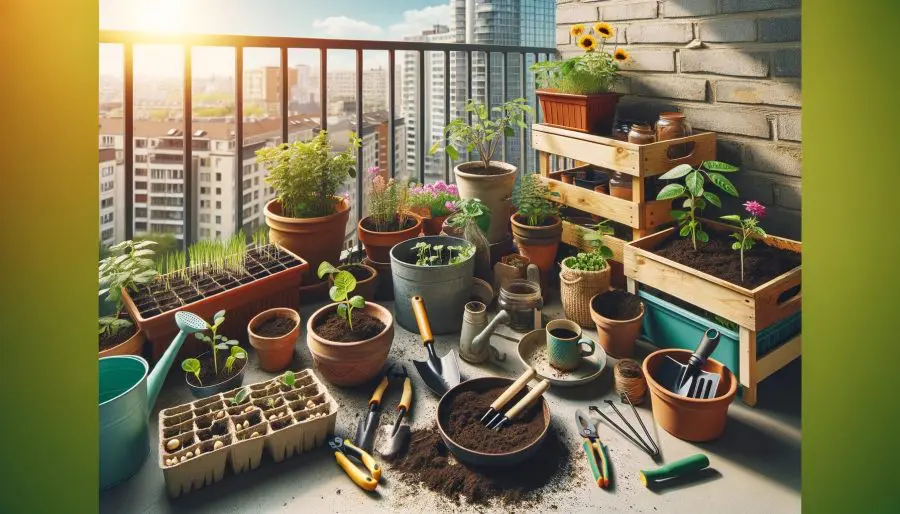
Containers and soil are the foundation of your balcony garden. Get these right, and everything else becomes easier.
🧱 Container Basics
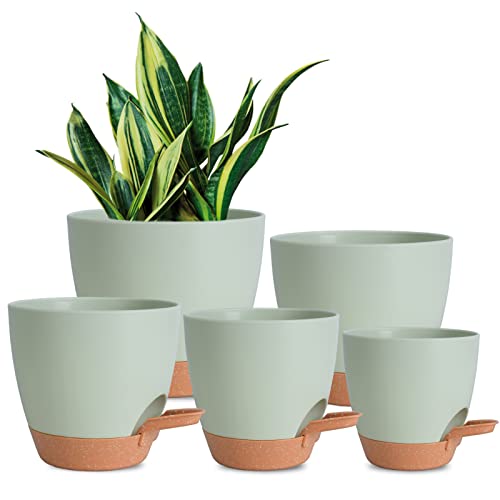
- 🪣 Choose lightweight containers such as plastic, resin, or fabric pots to reduce weight.
- 💧 Make sure every container has drainage holes so roots don’t sit in water.
- 🚫 Avoid very narrow, deep containers for beginners—they dry out quickly and are harder to manage.
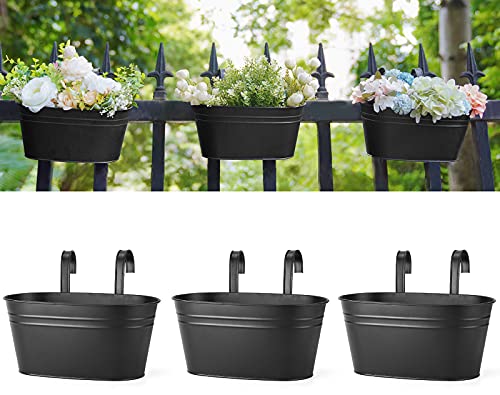
- 🌉 Consider railing planters and window boxes to free up floor space.
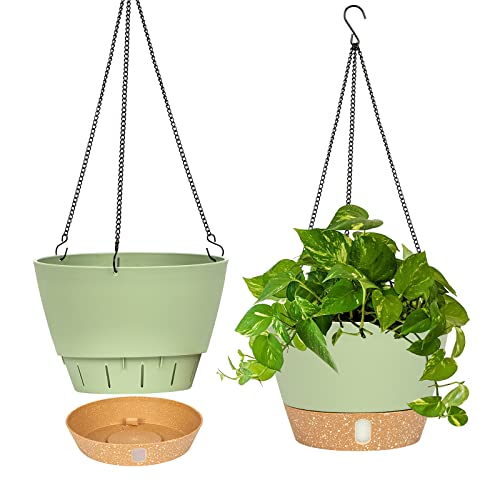
🛒 Balcony-Friendly Container Ideas
🌱 Potting Mix vs. Garden Soil
- 🌱 Use a high-quality potting mix, not regular garden soil. Potting mixes drain better and are lighter and cleaner.
- 🧪 You can boost drainage and aeration with perlite, and improve water-holding with compost or coco coir.
- 🍃 For a more sustainable option, swap peat moss for coco coir and mix in compost instead of synthetic fertilizers.
💵 Budget-Friendly Ideas
- 🛒 Check thrift stores or yard sales for inexpensive pots and plant stands.
- ♻️ Upcycle containers—buckets, crates, or old tins—just drill drainage holes first.
- 💡 For more ideas, see budget-friendly balcony gardening ideas.
🌱 Tip 3: Pick Beginner-Friendly Balcony Plants
Once you understand your light and space, you’re ready to choose plants that will actually thrive on your balcony.
🌞 Plants for Sunny Balconies
- 🍅 Compact vegetables such as cherry tomatoes, peppers, bush beans, or container-friendly cucumbers.
- 🌿 Sun-loving herbs like basil, rosemary, thyme, and oregano.
- 🌸 Flowers like petunias, marigolds, geraniums, and zinnias for long-lasting color.
🌥 Plants for Shady or Part-Shade Balconies
- 🥬 Leafy greens such as lettuce, spinach, and baby kale.
- 🌿 Shade-tolerant herbs like mint, parsley, and chives.
- 🌺 Ornamental plants like ferns, coleus, impatiens, and hostas.
For more inspiration, check out choosing the best plants for balcony gardens.
🍽 Edible vs. Decorative (or Both!)
- 🥗 If you love to cook, prioritize herbs and salad greens—you’ll actually use them.
- 🎨 If you want color and atmosphere, focus on flowers and ornamental foliage.
- 🍅 Most gardeners enjoy a mix: a few edible pots plus blooming containers for visual impact.
📏 Tip 4: Use Vertical and Creative Gardening Solutions
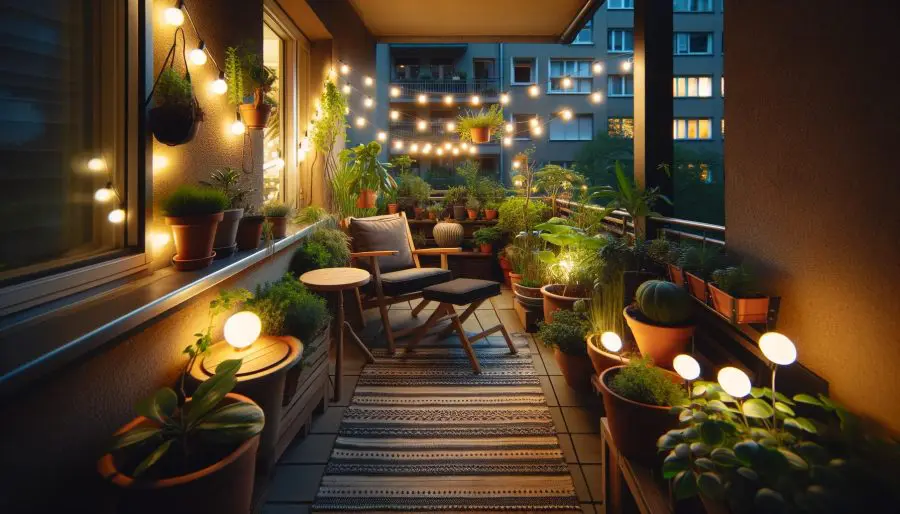
On a small balcony, floor space disappears quickly. Vertical gardening helps you grow more without feeling cramped.
🧱 Wall, Railing, and Hanging Options
- 🧱 Use wall planters and vertical frames to grow herbs, flowers, or even strawberries.
- 🪝 Hang baskets from overhead hooks or brackets for trailing plants like petunias or ivy.
- 🌉 Add railing planters for herbs and flowers that spill over the edge and soften the view.
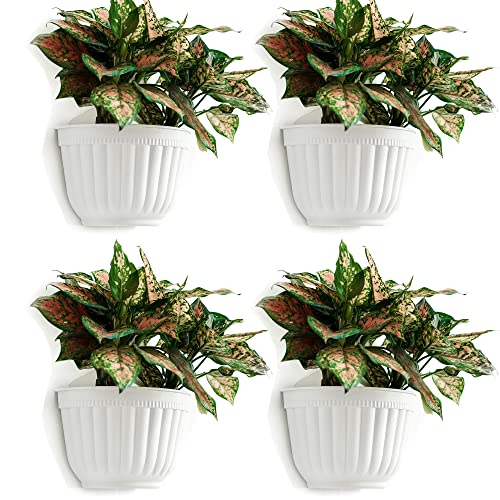

Learn more in vertical gardening ideas for balconies and what is vertical gardening.
🪜 Shelves and Tiered Layouts
- 🪜 Add shelves or plant stands along a wall to create levels for small and medium pots.
- 🌿 Place taller plants on top shelves and shade-tolerant ones below where they’re partially sheltered.
- 🧺 Use baskets, crates, or repurposed ladders to build low-cost tiers.
💧 Tip 5: Watering and Maintenance Strategies
A balcony garden doesn’t need to be high maintenance. A few smart choices keep your plants happy without tying you to the watering can.
💧 Simple Watering Solutions
- 🪣 Check the soil with your finger—if the top inch is dry, it’s usually time to water.
- 🧴 Consider self-watering pots if you’re busy or forgetful. They hold a small water reservoir at the bottom.
- 💦 For larger setups, a simple drip system on a timer can be a game-changer.
🛒 Watering Helpers for Busy Gardeners

![[2 PCS] Light Iridescent Rainbow Gradient Color Clear Glass Self-Watering System Spikes, Aqua Globes Automatic Plant Waterer Bulbs](https://m.media-amazon.com/images/I/51WejTsTSVL._SL500_.jpg)
🌿 Ongoing Care
- ✂️ Snip spent flowers (deadheading) to encourage more blooms.
- 🧹 Remove yellowing leaves and tidy up fallen foliage to discourage pests.
- 🧪 Use a gentle, balanced fertilizer or compost tea during the growing season as needed.
🛋 Tip 6: Create Privacy and Aesthetic Appeal
Your balcony can be more than just a row of pots—it can feel like a small outdoor room.
🪵 Natural Privacy Screens
- 🌿 Grow climbing plants like jasmine or ivy on trellises to make a living wall.
- 🎍 Use tall grasses, bamboo, or potted shrubs in a row to block views and soften harsh lines.
- 🧊 For extra ideas, see best balcony plants for privacy.
🎨 Decorating Your Balcony Garden
- 🪴 Choose a simple color palette for containers so the plants stand out.
- 💡 Add string lights or lanterns to enjoy your garden in the evening.
- 🪑 Include a small chair or bench so you can actually sit and enjoy what you’ve grown.
🍅 Tip 7: Grow Herbs, Flowers, and Vegetables on Your Balcony
A balcony garden can be productive, not just pretty. You can absolutely grow herbs and vegetables in containers if you choose the right varieties and give them enough light.
🌿 Balcony Herb Gardens
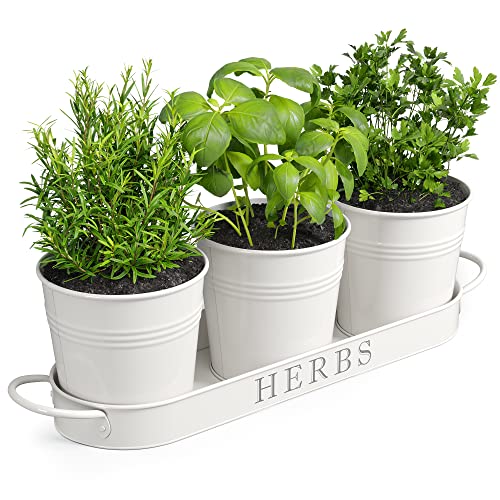
- 🌿 Start with easy herbs like basil, mint, chives, parsley, and thyme.
- 🪟 Place herbs in a sunny spot and avoid overwatering—most prefer slightly dry conditions between waterings.
- 🍽 For more ideas, visit balcony herb gardening.
🥬 Balcony Vegetable Gardening
- 🥬 Choose compact or container varieties of tomatoes, peppers, lettuce, and beans.
- 🪴 Use larger containers (at least 3–5 gallons) for most fruiting vegetables.
- 🍅 See balcony vegetable gardening for beginners for more detail.
Choosing the Right Plants
Choosing the right plants for your balcony garden is more than just picking your favorites.
It’s about understanding your balcony’s microclimate and selecting plants that will not only survive but thrive in those specific conditions.
If you’re looking for a garden that’s easy to care for, consider these resilient plants:
-
- Coneflowers (Echinacea): These hardy perennials bring vibrant colors and are known for their ability to withstand challenging conditions.

- Coneflowers (Echinacea): These hardy perennials bring vibrant colors and are known for their ability to withstand challenging conditions.

-
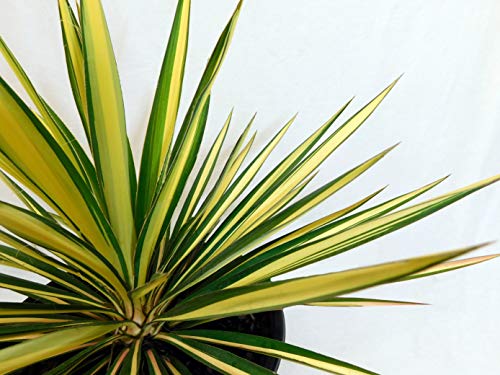
- Yucca: With its striking appearance, yucca is not only resilient but also adds an architectural element to your garden.
- Yucca: With its striking appearance, yucca is not only resilient but also adds an architectural element to your garden.
-
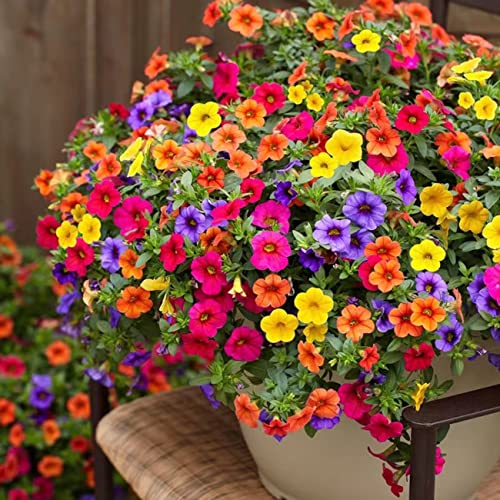
- Petunias: For a pop of color, petunias are a great choice. They are low-maintenance and can bloom abundantly throughout the season.
- Petunias: For a pop of color, petunias are a great choice. They are low-maintenance and can bloom abundantly throughout the season.
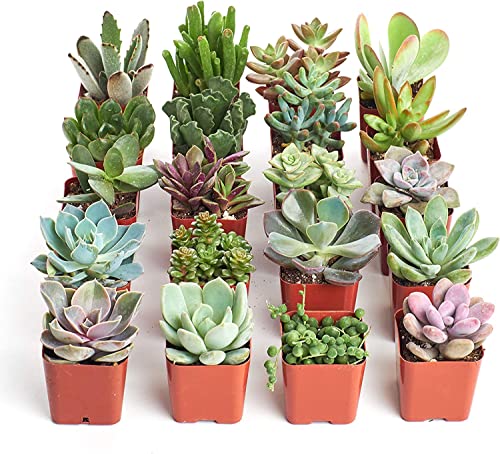
- Succulents: If you’re new to gardening or have a busy schedule, succulents are ideal. They require minimal care and can tolerate periods of neglect.
Tailoring to Your Taste and Lifestyle
Your plant choices should also reflect your personal style and how you intend to use your balcony space. Consider the following:
-
- Edible Plants: If you love cooking, consider growing herbs like basil, thyme, and rosemary. They are not only practical but also add a fresh aroma to your balcony.
- Edible Plants: If you love cooking, consider growing herbs like basil, thyme, and rosemary. They are not only practical but also add a fresh aroma to your balcony.

- Color and Texture: Think about the visual appeal of your garden. Combine plants with different colors, textures, and heights to create a visually interesting space.
- Seasonal Changes: Some plants are annuals, while others are perennials. Consider how the look of your garden might change with the seasons and plan accordingly.
🧩 Tip 8: Overcome Common Balcony Gardening Challenges
Every balcony is a bit different, so you’ll run into your own little challenges. Most of them are easy to handle once you know what to expect.
💦 Drainage and Water Runoff
- 🪣 Use saucers or trays under pots to catch excess water and protect your balcony floor.
- 🪨 Add a thin layer of pebbles in saucers so pots don’t sit in standing water.
🌥 Too Much Shade or Too Much Sun
- 🌥 If you have lots of shade, lean into leafy greens and shade-tolerant ornamentals.
- 🔥 If your balcony bakes in full sun, add some shade cloth or taller plants to protect more delicate ones.
💨 Wind and Temperature Swings
- 💨 Use heavier containers or secure lighter ones to prevent tipping.
- 🧣 In colder climates, cluster pots together or move tender plants indoors during cold snaps.
🌎 Tip 9: Garden Sustainably on Your Balcony
Your small balcony can still make a positive difference for the environment—especially in a city.
🪱 Compost, Soil, and Fertility
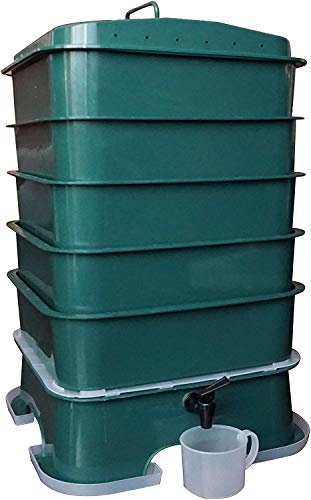
- 🪱 Use worm compost or bagged compost to enrich potting mixes instead of relying only on synthetic fertilizers.
- 🥤 Try small-scale composting methods, like bokashi or a compact worm bin, if your building allows it.
🛒 Small-Space Composting & Fertility

♻️ Upcycling and Waste Reduction
- ♻️ Repurpose containers, baskets, and jars instead of buying everything new.
- 🛍 Choose durable pots that will last for years instead of flimsy ones you’ll toss after a season.
🦋 Supporting Urban Biodiversity
- 🦋 Plant flowers that attract bees, butterflies, and other pollinators.
- 🕊 Add a shallow dish of water with stones for birds and beneficial insects to drink from.
- 🌼 Mix native plants into your balcony design whenever possible.
📚 Related Balcony Gardening Guides
Explore More Balcony Ideas 🌿
- 🔗 Balcony Garden Ideas: Easy Guide to Lush Outdoor Space
- 🔗 Small Balcony Gardening for Beginners
- 🔗 Balcony Vegetable Gardening for Beginners
- 🔗 Balcony Herb Gardening: 7 Easy Tips and Tricks
- 🔗 Best Plants for Balcony Gardens
- 🔗 Balcony Gardening in Winter
- 🔗 Budget-Friendly Balcony Gardening Ideas
- 🔗 Vertical Gardening Ideas for Balconies
Apartment Balcony Garden FAQs

Here are answers to some of the most common questions beginners have about balcony gardening.
Q: Can I really grow vegetables on a small balcony?
A: Yes. If you get at least a few hours of direct sun, you can grow compact vegetables like salad greens, herbs, peppers, and dwarf tomatoes. Use containers large enough for their roots and place them in the brightest spot you have.
Q: What plants are best for a shaded balcony?
A: Shaded balconies are well suited for leafy greens, some herbs such as mint and parsley, and many ornamentals including ferns, coleus, and impatiens. These plants add color and texture without needing full sun.
Q: How often should I water balcony plants?
A: Container plants usually need more frequent watering than in-ground plants. Check the soil regularly and water when the top inch feels dry. In hot weather some containers may need daily watering, while in cooler weather they will need less.
Q: Do I need special soil for balcony gardening?
A: Use a good quality potting mix, not regular garden soil. Potting mix drains well, is lighter, and is less likely to bring in pests. You can improve it with compost, coco coir, or perlite for better structure and moisture balance.
Q: How can I stop water from dripping onto the balcony below?
A: Place saucers or trays under your pots to catch excess water and water slowly so it has time to soak in. Self-watering containers and careful watering help reduce runoff to balconies below.
Q: Is balcony gardening worth it if I only have room for a few pots?
A: Yes. Even a few containers can provide fresh herbs, a small salad garden, or a splash of flowers. A small balcony garden still adds beauty, improves your mood, and makes your home feel more alive.
🌐 References
- University of Minnesota Extension – Container gardening for small spaces
- Clemson Cooperative Extension – Container Vegetable Gardening
- Penn State Extension – Growing Herbs Indoors
🌼 Apartment Balcony Garden Conclusion

Starting an apartment balcony garden is one of the easiest and most rewarding ways to bring nature into a small space.
With a little planning, the right containers and soil, and plants that match your light, you can turn even the tiniest balcony into a thriving green retreat.
- 🌿 You gain a daily connection to nature right outside your door.
- 🍅 You can harvest fresh herbs, greens, or vegetables from your own containers.
- 🌸 You add color, texture, and life to your apartment, inside and out.
- 😌 You create a personal retreat for coffee, reading, or just breathing for a few minutes.
- 🌎 You support urban biodiversity and practice more sustainable living, even in a small space.
You don’t have to do everything at once. Start with a few pots, learn as you go, and build your balcony garden step by step.
Before long, you’ll look out and realize you’ve created your own little oasis in the middle of the city.
Starting a Balcony Garden Key Takeaways
- 🌿 Start by checking your balcony’s space, light, wind, and weight limits so you stay safe and set your plants up for success.
- 🪴 Use lightweight containers, quality potting mix, and beginner-friendly plants that match your light conditions.
- 📏 Maximize every inch with vertical gardening, railing planters, and shelves instead of crowding the floor.
- 💧 Keep care simple with smart watering routines and sustainable practices like compost and eco-friendly soil mixes.
Good luck with your apartment balcony garden—and happy gardening!