
This post may contain affiliate links. If you buy something from one of our links we may earn a commission. Thanks
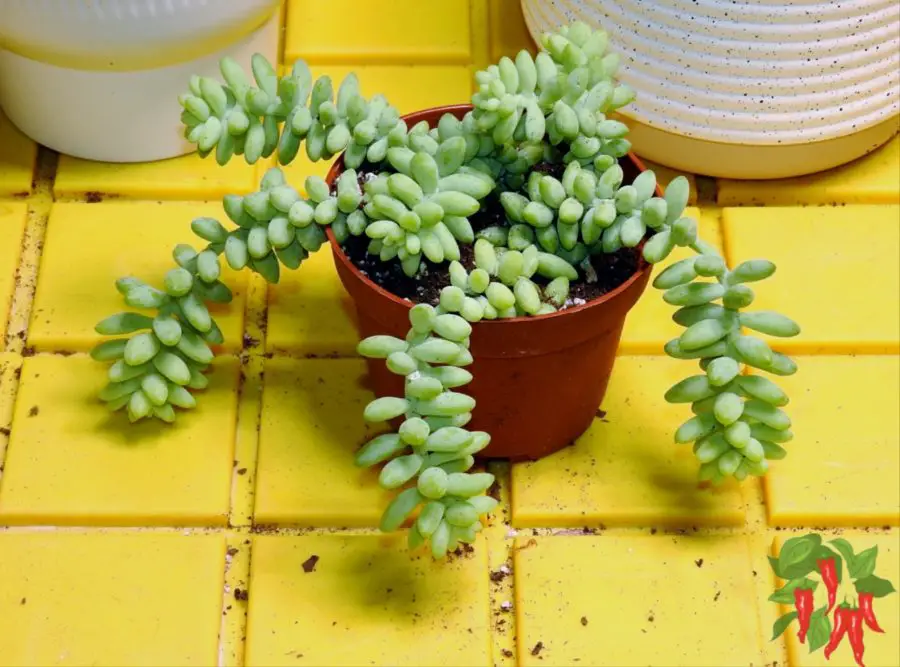
Low Light Pet-Safe Plants
If you’ve ever wanted succulents in your home but worried about your curious cat or plant-snacking dog, this guide to Pet-Safe Succulents You Can Grow Indoors will make your life a whole lot easier.
You’ll discover which varieties fit your space, how to keep them thriving, and how to avoid the toxic lookalikes.
Whether you’ve got bright windows or you’re working with low-light-pet-safe-plants in that quiet corner of your living room, there’s a safe succulent option waiting for you.
Pet-Safe Succulents You Can Grow Indoors 🌵🐾
If you’ve ever stood in the succulent aisle wondering, “Are any of these actually safe for my cat or dog?”, you’re not alone.
The good news is yes—there are pet-safe succulents you can grow indoors.
You just need to know which ones to choose, which popular types to avoid, and how to set them up so they thrive on your windowsill instead of sending you to the vet.
In this guide to Pet-Safe Succulents You Can Grow Indoors, you’ll learn how to tell safe from risky varieties, simple care tips for beginners, and how to keep both your plants and your pets happy.
What You’ll Learn 🌱
- 🐾 Which succulents are considered pet-safe and which popular ones to avoid
- 📋 A quick checklist table you can use while shopping for succulents
- ☀️ How much light indoor succulents really need to stay compact and colorful
- 💧 Easy watering, soil, and pot tips so you don’t drown your plants
- 🛡️ Simple ways to keep curious cats and dogs away from your plants
Why Many Succulents Aren’t Pet-Safe 🚫🌵
Succulents look cute and harmless, but a surprising number of them protect themselves with natural chemicals that can upset your pet’s stomach—or worse—if chewed.
Some of the most popular succulent types people bring home are actually on toxic plant lists for cats and dogs, including:
- Aloe – The inner gel is useful for people, but the outer leaf parts can cause vomiting and diarrhea in pets.
- Jade plants (Crassula) – Contain compounds that can affect the heart and nervous system.
- Kalanchoe – Often used as a flowering “gift plant,” but can be dangerous if eaten by pets.
- Euphorbia succulents – Have milky sap that can irritate skin and mouths.
- String succulents like String of Pearls and some Senecio species – Often listed as toxic.
That doesn’t mean you have to give up on succulents altogether. It just means you’ll want to choose species that are considered non-toxic to cats and dogs and place all plants where pets can’t easily graze on them.
What Makes a Succulent “Pet-Safe”? 🌟
When we say “pet-safe succulents,” we’re usually talking about plants that are not known to cause serious poisoning in cats or dogs if they nibble a small amount.
A few helpful guidelines:
- ✔️ Listed as non-toxic to cats and dogs on trusted veterinary or animal poison control resources.
- ✔️ No irritating milky sap or sharp spines that can injure mouths, paws, or eyes.
- ✔️ Compact enough to place out of reach on shelves, window ledges, or plant stands.
Even with pet-safe succulents, it’s still best to discourage snacking. Think of them as décor, not salad. Your pet might get mild stomach upset just from eating too much plant material of any kind.
Quick-Reference Checklist: Safe vs Unsafe Succulents 📋
Use this simple table as a starting point when you’re shopping. Always double-check specific varieties, but this gives you a helpful “at a glance” guide.
| Succulent Type | Safe for Cats & Dogs? | Notes | Beginner Difficulty |
|---|---|---|---|
| Haworthia | ✅ Generally considered non-toxic | Looks like aloe but safer for pets | Easy |
| Sempervivum (Hens & Chicks) | ✅ Non-toxic | Hardy rosettes, good for pots | Easy |
| Echeveria | ✅ Non-toxic | Colorful rosettes, safe around pets | Moderate |
| Sedum (select species) | ✅ Many are non-toxic | Check specific variety; great for hanging pots | Easy–Moderate |
| Burro’s Tail / Donkey Tail (Sedum morganianum) | ✅ Generally considered non-toxic | Beautiful trailing stems, leaves fall easily | Moderate |
| Lithops (Living Stones) | ✅ Generally considered non-toxic | Slow-growing, needs bright light | Moderate–Advanced |
| Ponytail Palm (not a true succulent) | ✅ Non-toxic | Bulb-like base, strappy leaves, very drought-tolerant | Easy |
| Aloe vera | ❌ Toxic | Gel is useful for humans, but outer leaf is toxic to pets | Easy |
| Jade plant (Crassula) | ❌ Toxic | Can cause vomiting and other symptoms if eaten | Easy |
| Kalanchoe | ❌ Toxic | Colorful flowering plant that’s risky for pets | Easy |
When in doubt, look up both the common name and the scientific name on a trusted animal poison control or university site before you buy.
🌿 Quick Safety Reminder for Pet Parents
“Pet-safe” or “non-toxic” usually means a plant is unlikely to cause serious poisoning in small amounts – not that it’s a free snack. Even safe plants can still cause mild stomach upset if your pet eats a lot of foliage.
Use a trusted resource like the ASPCA’s toxic and non-toxic plant lists
Best Pet-Safe Succulents You Can Grow Indoors 🌿🐾
Let’s look at some of the most popular pet-safe succulents you can actually enjoy indoors without stressing over every nibble.
Haworthia 🌱

Haworthia looks a lot like mini aloe, but is generally considered non-toxic to pets, which makes it a great alternative if you love that spiky look.
- Light: Bright, indirect light is ideal. A sunny windowsill filtered through a sheer curtain works well.
- Water: Let the soil dry out completely between waterings. In winter, you’ll water much less often.
- Why it’s great for beginners: Compact, tough, and forgiving if you occasionally forget to water.
- Pet factor: A safer choice than aloe if you have nibblers in the house.
Sempervivum (Hens and Chicks) 🐣🌿
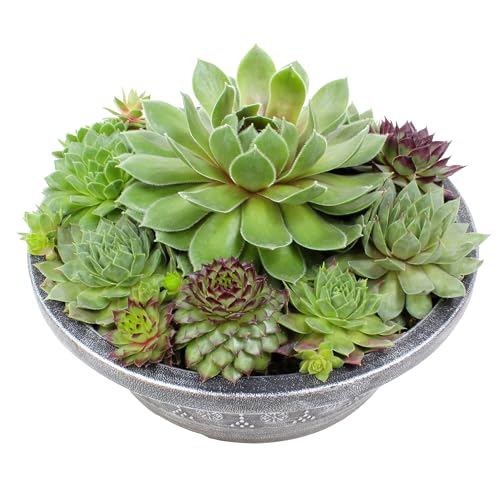
Sempervivum forms adorable little rosettes that cluster together, like a mama hen surrounded by chicks. They’re often used outdoors but can adapt to indoor containers with good light.
- Light: Bright light is best—an unobstructed south- or west-facing window works well.
- Water: Very drought-tolerant. Water thoroughly, then let the soil dry out.
- Why it’s great for beginners: Very tough and slow-growing; great for shallow bowls or troughs.
- Pet factor: Considered non-toxic and naturally compact.
Echeveria 🌸

Echeverias are the classic “Instagram succulents” with colorful rosettes and pretty leaves. The bonus? They’re also generally considered non-toxic to cats and dogs.
- Light: Needs bright, indirect light to stay compact and colorful. Without enough light, they stretch and lose their shape.
- Water: Water when the soil is completely dry. Avoid getting water trapped in the rosette.
- Why it’s great for beginners: Slightly more finicky but very rewarding once you find a bright spot.
- Pet factor: A beautiful, pet-safe option when you want color.
Sedum (Select Varieties) 🌿
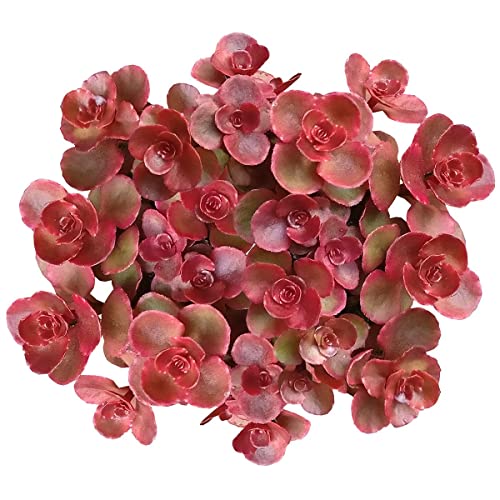
Sedums are a large group, and many are non-toxic and easy to grow. They come in upright and trailing forms and can be great in mixed pet-safe containers.
- Light: Most sedums like bright light and can handle a bit of direct sun indoors.
- Water: Water deeply when dry, then let them rest.
- Why it’s great for beginners: Very forgiving and quick to show you when they need more light (they’ll stretch).
- Pet factor: Many common sedums are non-toxic, but always verify individual species.
Burro’s Tail / Donkey Tail (Sedum morganianum) 🪴

Burro’s tail is a trailing succulent with plump, bead-like leaves that cascade down the sides of hanging baskets.
- Light: Bright, indirect light is ideal. It can burn in harsh direct sun indoors.
- Water: Prefers a “soak and dry” routine like other succulents.
- Why it’s great for beginners: Eye-catching and fun, but leaves are delicate—best if you’re not constantly moving the pot.
- Pet factor: Generally considered non-toxic. Hanging placement also keeps it out of easy reach.
Lithops (Living Stones) 🪨
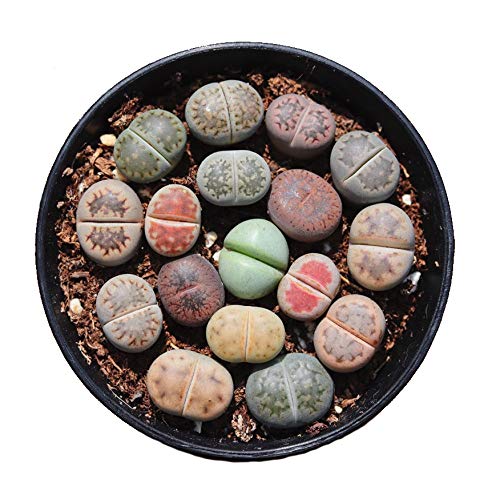
Lithops look like tiny stones or pebbles and are often grown as quirky “collector” plants. They’re slow-growing and fascinating to watch.
- Light: Needs bright light—often the brightest window you have.
- Water: Very little water. Overwatering is one of the easiest ways to kill them.
- Why it’s great for beginners: Better for patient beginners; once you learn the watering rhythm, they’re low maintenance.
- Pet factor: Generally considered non-toxic and not very appealing to pets.
Ponytail Palm 🐴

Ponytail palm isn’t a true succulent, but it stores water in its bulb-like trunk and behaves like one—drought tolerant and easygoing.
- Light: Bright, indirect light is best, but it can adapt to slightly lower light indoors.
- Water: Infrequent deep waterings; let the soil dry well between drinks.
- Why it’s great for beginners: Almost “set it and forget it,” and it can live for many years in the same pot.
- Pet factor: Non-toxic, so it’s a safe choice as a small indoor “tree.”
Unsafe Succulents to Avoid with Pets 🚫🐕🐈
Some of the most common succulent “gift plants” are ones you’ll want to avoid if your pet likes to chew. Here are a few big no’s:
- Aloe vera: Helpful for humans, but parts of the plant can cause vomiting and diarrhea in pets.
- Jade plant (Crassula): Linked with vomiting, lethargy, and other symptoms in cats and dogs.
- Kalanchoe: Contains compounds that can affect the heart; often listed as toxic.
- Euphorbia succulents: Have irritating milky sap that’s hard on skin and mouths.
- String succulents like String of Pearls (Senecio rowleyanus): Often considered toxic for pets.
If you already own any of these and can’t part with them, keep them in rooms your pets don’t access or in high spots where pets can’t reach.
Light Requirements for Indoor Succulents ☀️
Succulents are sun-lovers at heart. Indoors, that usually means they’ll want your brightest windowsill to stay compact and colorful.
- Bright indirect light: A sunny window where the plant gets lots of light, but not harsh midday rays burning the leaves.
- South or west-facing windows: Often best for succulents, with some protection during the hottest part of the day.
- Symptoms of too little light: Stretched, leggy growth, pale leaves, and rosettes that “open up” and flatten to catch more light.
If your home doesn’t have a truly bright window, you can supplement with a small LED grow light placed above the plants for 10–14 hours a day.
Just keep cords and fixtures where pets can’t chew or knock them down.
Watering Pet-Safe Succulents Indoors 💧
Indoor succulents are much more likely to die from too much water than too little. Their thick leaves and stems store moisture, so they don’t need constant drinks.
A simple watering routine:
- ✅ Water thoroughly until it runs out the drainage hole.
- ✅ Let all extra water drain away; don’t let pots sit in saucers of water.
- ✅ Wait until the entire potting mix is dry before watering again.
Signs of overwatering:
- Mushy, translucent leaves
- Leaves falling off with a light touch
- Soil that stays wet for days and smells sour
Signs of underwatering:
- Wrinkled, shriveled leaves
- Very light pot when you pick it up
It’s usually safer to err slightly on the dry side—especially in cooler, darker months.
Soil, Pots, and Setup for Beginners 🪴
Good setup makes everything easier—for you, your plants, and your pets.
- Soil: Use a well-draining cactus and succulent mix or coco coir. For extra drainage, mix in perlite or coarse sand.
- Pots: Terra cotta is a great choice because it breathes and helps soil dry faster. Make sure every pot has a drainage hole.
- Size: Don’t put small succulents in huge pots. They prefer just a little extra space around their roots.
- Placement: Put pots on stable surfaces where pets are less likely to knock them over or use them as launch pads.
How to Keep Pets Away from Your Succulents 🐾🛡️
Even pet-safe succulents are better off without teeth marks. A few simple tweaks can protect your plants and your pets.
- 🪴 Go vertical: Use shelves, window ledges, and tall plant stands to keep plants out of easy reach.
- 🪝 Hang them up: Hanging baskets are perfect for trailing succulents like burro’s tail.
- 🧺 Create “no-pet” zones: Keep plants in rooms with doors you can close or on furniture pets don’t access.
- 🌾 Offer distractions: Give cats a dedicated pot of cat grass so your succulents don’t become their salad bar.
- 🪨 Cover the soil: A top dressing of decorative stones can discourage digging.
Easy Pet-Safe Succulent Combos for Your Home 🌵✨
If you’d like to create simple arrangements instead of single pots, here are a few pet-friendly combo ideas.
- Sunny windowsill trio ☀️ – Haworthia, Echeveria, and a small Sempervivum bowl.
- Desk-friendly cluster 💻 – A tiny Haworthia, a compact Echeveria, and a mini ponytail palm in matching pots.
- Hanging basket moment 🪴 – Burro’s tail with a small sedum tucked in around the edges.
- Pet-safe succulent bowl 🐾 – Mix of Sempervivum and low-growing sedums in a shallow dish, kept on a high shelf.
FAQs: Pet-Safe Succulents You Can Grow Indoors ❓
Are any succulents safe for both cats and dogs?
Yes. Many sources list Haworthia, Echeveria, Sempervivum (hens and chicks), some Sedum, and ponytail palms as non-toxic to cats and dogs. Still, it’s smart to confirm each specific plant before bringing it home.
What’s the safest succulent for beginners with pets?
Haworthia and ponytail palms are great beginner choices. They’re tough, drought-tolerant, and generally considered non-toxic, so you can focus on learning light and watering without worrying as much about pet safety.
Can pets get sick from licking succulent leaves?
If the plant is toxic, even a small amount can cause symptoms like drooling, vomiting, or diarrhea. Pet-safe succulents are much less likely to cause serious issues, but it’s still best to discourage chewing and contact your vet if your pet eats a lot of any plant.
Can I grow pet-safe succulents in low light?
Succulents really prefer bright light. In low light they may survive for a while but will stretch and weaken over time. If you don’t have a bright window, consider using a small LED grow light to keep them happy.
How often should I water indoor succulents?
There’s no exact schedule that works for every home, but a good rule is to water thoroughly and then wait until the entire potting mix is dry before watering again. In bright summer conditions, this might be every 1–2 weeks; in winter, it could be every 3–4 weeks or more.
Are string succulents safe for pets?
Many “string” succulents, like String of Pearls, are listed as toxic to pets. If you have curious nibblers, it’s best to skip them or keep them in very restricted areas your pets can’t reach.
Is aloe toxic to cats and dogs?
Yes. While aloe gel is often used for people, the outer parts of the leaf contain compounds that can be toxic to cats and dogs. If you love the look of aloe but have pets, consider Haworthia as a safer alternative.
What should I do if my pet eats part of a succulent?
First, identify the plant or take a clear photo of it. If it’s a known toxic species, or if your pet shows symptoms like vomiting, drooling, or lethargy, call your veterinarian or an animal poison hotline right away. Even with pet-safe succulents, contact your vet if your pet eats a large amount or seems unwell.
How can I tell if a succulent is safe when I’m shopping?
Check the plant tag for both the common and scientific names, then look them up on a trusted plant toxicity database or university extension site before you buy. If you can’t confirm that a plant is non-toxic, it’s safer to leave it on the shelf.
Conclusion: Yes, You Can Have Succulents and Safe Pets 🌟
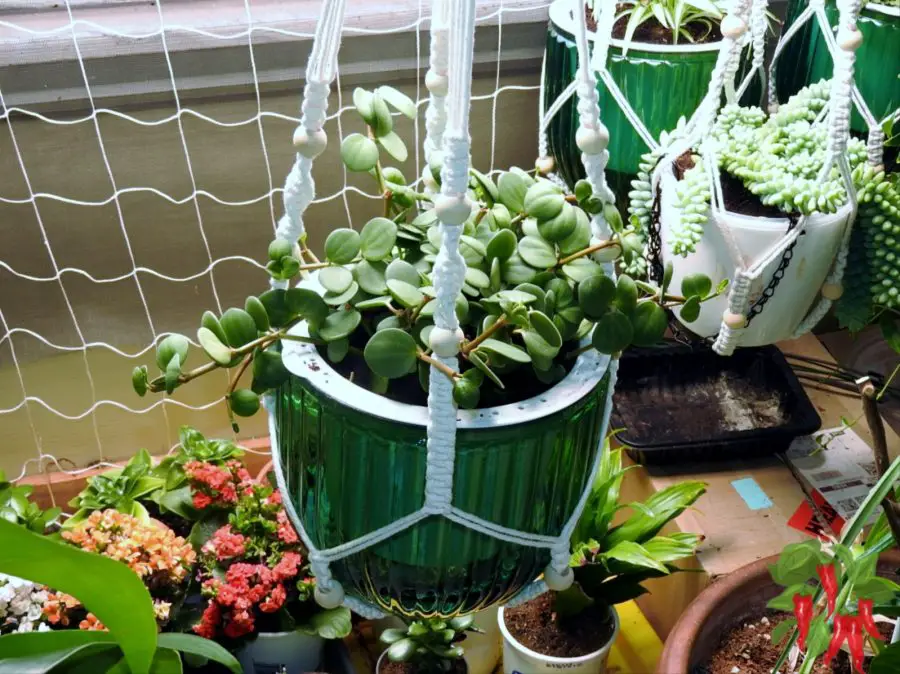
You don’t have to choose between your love of succulents and your love for your pets.
By focusing on pet-safe succulents you can grow indoors—like Haworthia, Echeveria, Sempervivum, sedums, and ponytail palms—you can enjoy that sculptural, low-maintenance look without constant worry.
Start small with one or two easy plants, give them bright light and a simple “soak and dry” watering routine, and place them where paws and teeth can’t easily reach.
As you get more comfortable, you can gradually build out a whole pet-safe succulent collection that makes your space feel calm, green, and uniquely yours.
👉 Best Pet-Friendly Indoor Plants for Small Spaces
References 📚
- Iowa State University Extension – Growing Succulents Indoors
- South Dakota State University Extension – How to Care for Succulents Indoors
- Iowa State University Extension – Houseplants & Indoor Gardening
- Clemson Cooperative Extension – Indoor Plants: Containers & Light Requirements
- University of Tennessee Extension – Growing Indoor Plants with Pets
- ASPCA – Toxic and Non-Toxic Plants Database
- ASPCA – Are Succulents Safe to Have Around Pets?