
This post may contain affiliate links. If you buy something from one of our links we may earn a commission. Thanks
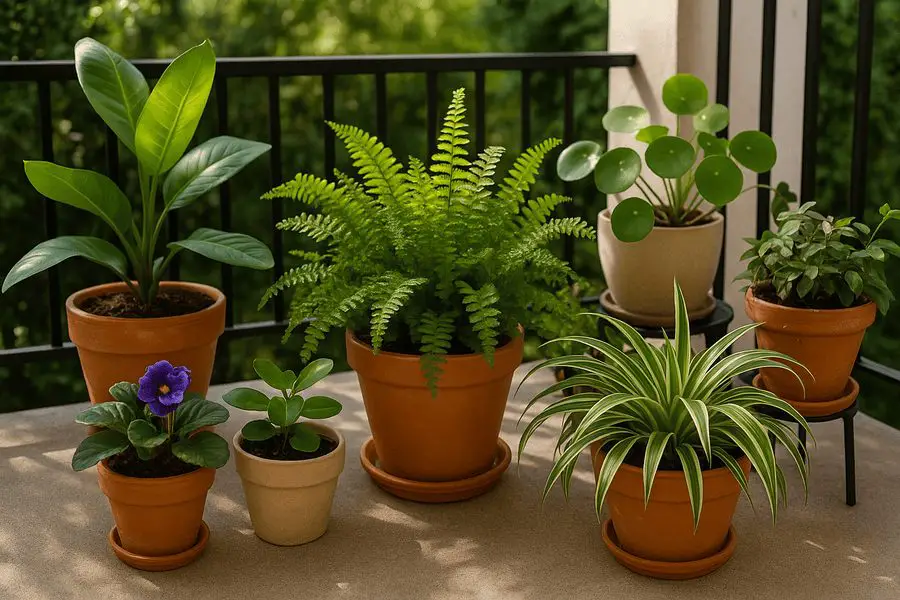
Pet-Safe Plants create a greener home without worrying about curious cats or playful pups.
Looking for the complete guide? Start with our in-depth resource that covers the safest indoor plants for cats and dogs, light needs, care tips, and smart placement strategies.
Growing indoor plants shouldn’t mean worrying about your cat chewing a leaf or your dog digging in a pot.
Pet-safe houseplants let you enjoy greenery without second-guessing every new plant you bring home. The key is knowing which varieties are truly non-toxic—and how to set them up so both plants and pets thrive.
This page brings together reliable, beginner-friendly indoor plants that are considered safe for cats and dogs, along with practical care tips that actually work in real homes.
From sunny windowsills to small living rooms and apartments, you’ll find plant options that stay manageable, look great, and don’t create unnecessary risk for your four-legged roommates.
Start here to build a pet-friendly indoor garden that feels calm, green, and worry-free. 🌿🐾
What You’ll Learn 🐾
- 🌿 Which indoor plants are safe for cats and dogs
- 🪴 How to choose beginner-friendly pet-safe plants
- 🌱 Light, water, and soil needs for the safest houseplants
- 🐕 Smart placement strategies to protect both plants and pets
- 🐈 What to do if your pet nibbles a plant
- 🧪 Symptoms to watch for with accidental pet plant snacking
Popular Pet-Safe Plant Guides
Here are some great posts to get you started. Replace these URLs with your actual pet-safe plant post links.
- Baby Rubber Plant (Peperomia obtusifolia) Care Guide
- Parlor Palm Care: Perfect Pet-Safe Houseplant
- Calathea Care: Non-Toxic Beauty for Indoor Spaces
- Areca Palm: Bright, Pet-Safe Indoor Palm
- Spider Plant Care: A Hardy, Pet-Friendly Classic
- Pet-Safe Herbs to Grow Indoors
Beginner Tips for Pet-Safe Houseplants
- 🐾 Always cross-check the plant name. Many toxic plants have look-alikes that are perfectly safe.
- 🌞 Give safe plants the right light. A “pet-safe” plant still needs the proper lighting to stay healthy.
- 🪴 Use sturdy pots. Solid containers help prevent knock-overs from playful cats or dogs.
- 🌿 Elevate delicate plants. Hanging baskets and shelves keep curious pets from batting leaves.
- 💧 Watch for overwatering. Wet soil attracts fungus gnats — which attract cats.
- 🐕 Treat soil with care. Avoid cocoa mulch (toxic) and pesticides not labeled pet-safe.
Pet-Safe Plants FAQs
What are the best pet-safe indoor plants for beginners?
Spider plants, parlor palms, peperomia, and Boston ferns are all easy-care, non-toxic options perfect for new plant owners with pets.
Can cats and dogs eat pet-safe plants?
They can nibble them without serious harm, but eating large amounts may still cause upset stomachs. It’s best to place plants up high when possible.
Are all succulents safe for pets?
No. Many popular succulents, like jade and aloe, are toxic. Safe options include Haworthia, Burro’s Tail, and some varieties of echeveria.
Where should I place plants so pets don’t chew them?
Use high shelves, hanging planters, window ledges, or wall-mounted pots. Keeping plants out of high-traffic pet areas helps too.
What should I do if my pet chews a plant?
Identify the plant immediately. If it’s non-toxic, watch for mild symptoms. If it’s unknown or toxic, contact your vet or the ASPCA Poison Control line.
Read more:
Best Pet Friendly Indoor Plants for Small Spaces
🌿 Important for Pet Owners
Before bringing any new plant home, double-check its safety using the ASPCA’s official toxic and non-toxic plant database. It’s one of the most trusted resources for pet parents.