
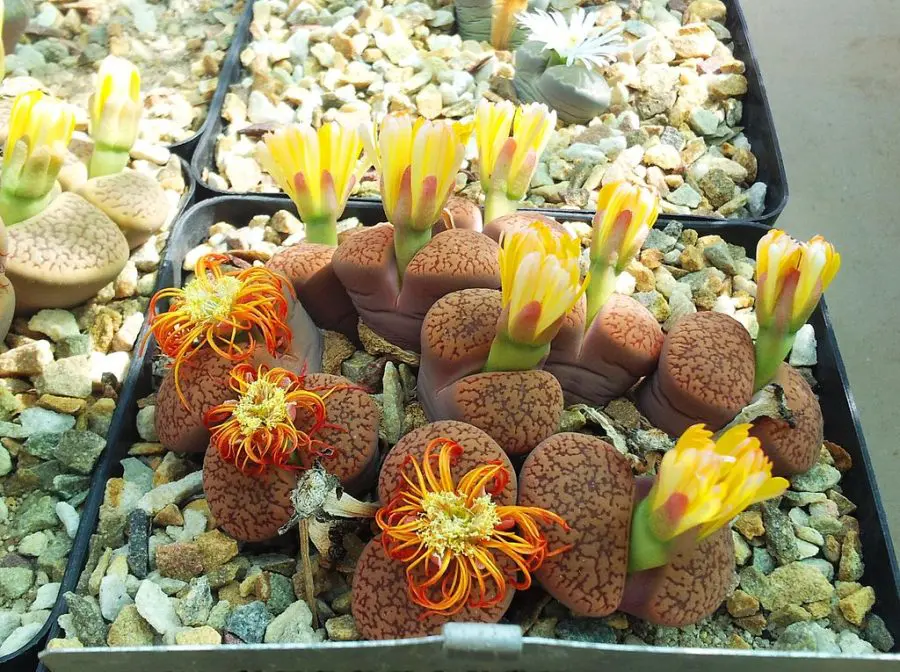
Lithops Plant Care is one of the most fascinating parts of growing succulents. Commonly called Living Stones, these unusual plants resemble small pebbles and have adapted to survive in the dry regions of southern Africa.
Their unique appearance, compact size, and colorful flowers make Lithops a popular choice for windowsills, succulent collections, and small indoor gardens. With hundreds of patterns and colors available, no two plants look exactly alike.
This guide covers everything you need to know about Lithops plant care, including light requirements, watering, soil selection, propagation, flowering, and long-term maintenance.
What You’ll Learn
- ☀️ How much light Lithops need indoors
- 💧 When to water Living Stones safely
- 🪴 The best soil and container setup
- 🌸 How to encourage flowering
- 🌱 Propagation and repotting tips
- 🚑 Common Lithops problems and solutions
- 🏡 The best indoor locations for healthy growth
Quick Answer: How Do You Care For Lithops?
Lithops grow best in bright light, fast-draining soil, and containers with excellent drainage. Water sparingly, allow the soil to dry completely between waterings, and reduce watering during dormancy periods.
Because Living Stones store water in their leaves, overwatering is far more dangerous than underwatering. When given plenty of light and a proper watering schedule, Lithops can thrive for many years indoors.
The Ultimate Guide to Lithops Plant Care
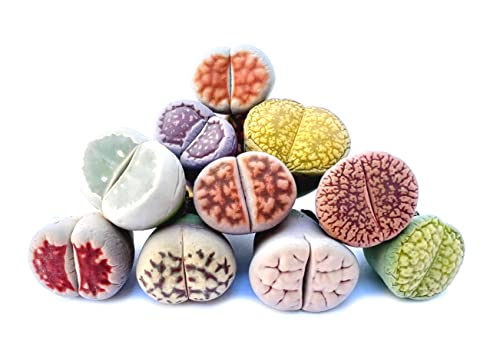
If youwant to add an interesting touch to your succulent collection, consider the living stone plant, also known as Lithops.
These distinctive, rock-like plants are not only visually appealing but also incredibly resilient.
Introducing Lithops: The Living Stone Plant
Lithops, affectionately known as living stone plants, are a genus of succulent plants belonging to the ice plant family, Aizoaceae.
These captivating plants are native to southern Africa and are best known for their striking resemblance to small rocks or pebbles.
This unique adaptation allows them to blend seamlessly into their natural surroundings, helping them avoid being eaten by herbivores.
With their bulbous, fused leaves and distinctive patterns, Lithops are a fantastic addition to any succulent collection, bringing a touch of natural wonder to your indoor or outdoor garden.
The Key to Healthy Lithops: Proper Care
Proper care for these living stone plants involves managing light exposure, selecting the right soil, and knowing when and how much to water them.
By paying close attention to these factors, you can create the perfect environment for your Lithops, ensuring their health and longevity.
What is Lithops or Living Stone Plant

In this section, we’ll uncover the fascinating features and characteristics that make these remarkable succulents stand out from the crowd.
From their origin and natural habitat to their unique adaptations and stone-like appearance, there’s so much more to these plants than meets the eye.
The Roots of Lithops: Origin and Natural Habitat
Lithops plants hail from the arid regions of southern Africa, including countries like Namibia, South Africa, Botswana, and potentially even Angola.
In their natural habitat, these resilient plants can be found growing in dry grasslands, velds, or rocky terrains.
They have adapted remarkably well to the harsh conditions in these environments, and understanding their origins can help us create the ideal conditions for them to thrive in our own gardens or homes.
Standout Succulents: Unique Features and Adaptations
One of the most remarkable aspects of Lithops is the incredible adaptations that help them survive in arid environments.
These plants have evolved to conserve water by featuring a pair of thick, fused leaves that store moisture.
The space between the leaves called the meristem, is where flowers and new leaves emerge.
Another fascinating adaptation is the partially or completely translucent top surface of the leaves, known as a leaf window.
This leaf window allows light to penetrate the plant’s interior, enabling photosynthesis to occur even when the majority of the leaf is buried underground.
This adaptation is key to Lithops’ survival in their natural habitat.
Masters of Disguise: Stone-like Appearance and Camouflage
Lithops plants are true masters of disguise, with their stone-like appearance serving as a natural camouflage to protect them from predators.
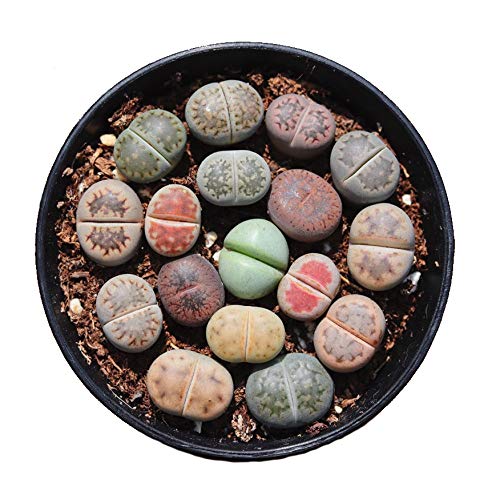
Their leaves are patterned with various shades of cream, gray, and brown, often featuring darker windowed areas, dots, and red lines.
These markings differ from one species to another and are influenced by local conditions.
This remarkable camouflage helps Lithops blend in seamlessly with the surrounding rocks and soil, making them difficult to spot by potential predators.
This stone-like appearance is not only a brilliant survival strategy but also adds to the unique charm and allure of these living stone plants.
Lithops Light Requirements

Now that we’ve dug into the world of Lithops it’s time to focus on lighting one of the most critical aspects of their care.
Light requirements
As succulents, Lithops rely heavily on sunlight to thrive and maintain their vibrant patterns and colors.
In this section, we’ll discuss the optimal amount of light exposure these living stone plants need and the impact of sunlight on their overall health.
Basking in the Sun: Optimal Sunlight Exposure
To keep your Lithops happy and healthy, providing the right amount of sunlight is crucial.
These sun-loving plants thrive in bright, indirect light or partial sun, with at least 4-5 hours of sunlight per day.
If possible, place your Lithops near a south-facing or east-facing window where they can bask in the morning sun, while avoiding the more intense afternoon rays.
If you’re growing Lithops outdoors, make sure they’re in a spot that receives dappled shade or filtered sunlight, as direct sunlight may cause scorching.
Harnessing the Sun: Importance of Light for Photosynthesis
As with all plants, light plays a vital role in the process of photosynthesis for Lithops.
Their unique leaf windows allow light to enter the interior of the plant, where the green photosynthetic tissue resides.
This adaptation helps Lithops efficiently produce energy and nutrients needed for growth, even when partially or fully submerged in the soil.
Dimming the Lights: Effects of Insufficient Light on Plant Health
Lithops plants that don’t receive enough sunlight may struggle to thrive.
Insufficient light can lead to a variety of issues, including etiolation (stretching), loss of vibrant colors, and weakened overall health.
When Lithops don’t receive enough light, they may stretch in search of more sunlight, causing them to lose their compact, stone-like appearance.
In addition, their distinct patterns and colors may fade, making them less visually appealing.
Best Indoor Locations For Lithops
Choosing the right location is one of the most important parts of successful Lithops care. These sun-loving succulents need bright conditions to maintain their compact shape and vibrant colors.
South-Facing Windows
A bright south-facing window is often the ideal location, especially during fall and winter when sunlight levels are lower.
East-Facing Windows
Morning sunlight combined with bright indirect light provides excellent growing conditions for many Lithops species.
Sunny Plant Shelves
Plant shelves positioned near bright windows work well as long as the plants receive several hours of strong light daily.
Under Grow Lights
LED grow lights can supplement natural sunlight and help prevent stretching in darker homes.
Avoid Dark Rooms
Low-light conditions often cause Lithops to stretch, lose their compact shape, and become more vulnerable to rot.
Lithops Soil using coco coir and perlite

Choosing the right soil mixture for your living stone plants can make all the difference in their health and growth.
In this section, we’ll explore the benefits of using a coco coir and perlite mix for your Lithops, ensuring optimal drainage and the perfect balance of moisture retention.
Foundation for Success: Ideal Soil Type for Lithops Growth
Lithops plants require a specific type of soil to thrive, one that closely mimics their natural habitat.
A well-draining, porous soil mix that doesn’t retain too much water is crucial for healthy Lithops growth.
A mixture of coco coir and perlite can provide the perfect balance for your living stone plants.
Coco coir helps with moisture retention, while perlite improves drainage and aeration, ensuring that your Lithops’ roots have access to the air and water they need without becoming waterlogged.
Staying High and Dry: Importance of Well-Draining Soil
Well-draining soil is of utmost importance for Lithops plants, as they are highly susceptible to root rot and other issues caused by overwatering or standing water.
In their natural habitat, Lithops are adapted to arid environments where water is scarce.
As such, they store water in their leaves and can easily burst or rot if they absorb too much moisture from the soil.
Providing a well-draining soil mix helps prevent these issues and promotes healthy root growth.
Mixing it Up: Tips for Creating the Perfect Lithops Soil Mix
To create the ideal soil mix for your Lithops plants, combine equal parts of coco coir and perlite.
This simple, yet effective mixture provides the optimal balance of moisture retention and drainage, closely mimicking the plants’ natural habitat.
Alternatively, you can use a pre-made succulent or cactus soil mix as a base and add extra perlite to improve drainage.
Make sure to avoid using heavy, water-retaining soils, as they can lead to root rot and other complications.
With the right soil mix in place, your Lithops plants will be well on their way to thriving in their new home.
When to Water Lithops

In this section, we’ll guide you through watering Lithops, helping you identify the best times to quench their thirst and avoid the pitfalls of overwatering.
Riding the Waves: Watering Schedule Based on Seasonal Changes
Lithops plants require different watering schedules depending on the season, as their growth and dormancy cycles are influenced by seasonal changes.
During the spring and autumn, when Lithops are actively growing and producing new leaves or flowers, they require more frequent watering.
However, in winter and summer, when they enter dormancy, it’s important to reduce watering to prevent over-hydration.
By adjusting your watering schedule based on the seasons, you’ll help your Lithops plants thrive throughout the year.
Reading the Signs: Overwatering and Underwatering
Recognizing the signs of overwatering and underwatering can help you maintain a healthy balance for your Lithops plants.
Overwatered Lithops may have mushy, yellowing leaves, and can be prone to rot.
If you notice these symptoms, reduce watering and allow the soil to dry out completely before watering again.
On the other hand, underwatered Lithops may have wrinkled or shriveled leaves.
If your Lithops show signs of underwatering, gradually increase the watering frequency to help them bounce back.
Adapting to the Elements: Adjusting Watering Frequency for Different Climates
Different climates may require adjustments to your Lithops watering schedule.
In hotter, more arid environments, Lithops may enter a summer dormancy, during which they require less water.
In this case, only water sparingly during the summer months, and resume regular watering in autumn.
In more tropical climates, Lithops may need to be grown primarily during the cooler winter months, with a long summer dormancy period.
In these conditions, adjust your watering schedule accordingly to accommodate the unique climate and seasonal patterns of your region.
Fertilization Requirements for Lithops

We’ll discuss whether it’s necessary to fertilize your Lithops, the types of fertilizers that work best, and how to apply them correctly to promote healthy, vibrant growth.
Introduction to Lithops fertilization needs
Understanding the unique nutrient requirements of Lithops plants
Lithops, also known as living stone plants, have evolved to survive in nutrient-poor environments.
Their fertilizer requirements are quite different from those of other plants, and understanding these needs is crucial for their healthy growth.
Determining if and when to fertilize
Assessing your Lithops’ growth and overall health to decide on fertilization.
Before fertilizing your Lithops, observe their growth rate, leaf color, and overall vitality.
Healthy Lithops may not require additional fertilization, but those showing signs of nutrient deficiency might benefit from gentle feeding.
Identifying the best time of year to provide extra nutrients
The ideal time to fertilize Lithops is during their active growth period in spring and fall.
Avoid fertilizing during their dormant periods in winter and summer, as this can lead to over-fertilization and potential harm to the plant.
Choosing the right type of fertilizer
Exploring suitable fertilizers for Lithops, including organic and inorganic options.
When it comes to fertilizing Lithops, a diluted, low-nitrogen, water-soluble fertilizer is often recommended.
Both organic and inorganic fertilizers can be used, as long as they meet the nutrient requirements for these unique plants.
The importance of balanced nutrient ratios for optimal growth
A balanced nutrient ratio is essential for the well-being of your Lithops. Look for fertilizers with a higher phosphorus and potassium content than nitrogen, such as a 1-2-2 or 2-3-3 N-P-K ratio.
Application Methods and best practices
Tips on how to apply fertilizer effectively without harming your Lithops
To avoid over-fertilizing, dilute the recommended strength of the fertilizer by half or even a quarter. Apply the solution to the soil around your Lithops, taking care not to splash it on the leaves.
Ensuring proper dilution and frequency for a thriving plant
It’s essential to fertilize your Lithops sparingly. A good rule of thumb is to apply the diluted fertilizer once or twice during the active growth period and avoid feeding during dormancy.
Monitoring plant health and adjusting fertilization as needed
Observing your Lithops’ progress and making adjustments to fertilization plans
Keep a close eye on your Lithops after fertilizing, monitoring for any signs of over-fertilization or nutrient deficiencies. Make adjustments to your fertilization plan as needed, based on your observations.
Recognizing signs of over-fertilization and taking corrective action
Signs of over-fertilization in Lithops can include yellowing or browning leaves, weak or leggy growth, and rot.
If you suspect over-fertilization, cease fertilizing immediately and, if necessary, repot the plant in fresh, well-draining soil to minimize further damage.
Pest and Disease Control for Lithops
In this section, we’ll explore the most common pests and diseases that can target Lithops, and provide you with valuable tips on how to identify, prevent, and treat these issues.
By staying vigilant and adopting proactive measures, you can ensure that your captivating Lithops plants continue to thrive and mesmerize everyone with their unique beauty.
Introduction to common pests and diseases
Familiarizing yourself with the common pests and diseases that can affect Lithops plants is crucial for maintaining their health and well-being.
Early detection and prevention are key to ensuring your plants thrive.
Identifying and preventing infestations
Mealybugs
• Appearance: Small, white, cotton-like insects that gather around the base of Lithops and in the crevices between leaves.
• Prevention: Maintain proper plant care, avoid overwatering, and regularly inspect your plants for signs of infestation.
• Treatment: Remove mealybugs using a cotton swab dipped in rubbing alcohol or apply insecticidal soap or neem oil to affected areas.
Scale insects
• Appearance: Small, brown, oval-shaped insects that attach themselves to the leaves and stems of Lithops, leaving a sticky residue behind.
• Prevention: Keep your plants clean, ensure proper air circulation, and inspect regularly for early signs of infestation.
• Treatment: Manually remove scale insects using a toothpick or soft brush, or treat with insecticidal soap or horticultural oil.
Recognizing and addressing fungal infections
• Signs of fungal issues: Yellowing or softening leaves, black or brown spots, and an unpleasant odor may indicate a fungal infection.
• Prevention: Maintain proper watering habits, avoid overcrowding, and ensure good air circulation around your plants.
• Treatment: Remove affected leaves, improve the plant’s growing conditions, and apply a fungicide if necessary.
Safe and effective treatment options
• Natural remedies: Insecticidal soaps, neem oil, and horticultural oils are eco-friendly options for treating pests and diseases.
• Chemical treatments: Use chemical pesticides and fungicides as a last resort, and always follow the manufacturer’s instructions for safe application.
• Ongoing care: After treating your plants, continue to monitor their health and adjust your care routine as needed to prevent future issues.
Repotting Lithops

In this section, we’ll walk you through the process of repotting Lithops, ensuring a smooth and successful transition for your living stone plants.
Perfect Timing: When to Repot Lithops Plants
Knowing when to repot your Lithops plants is essential for their continued growth and well-being.
The best time to repot Lithops is during their active growth phase, typically in spring or early summer, when they are more resilient and able to recover from the stress of repotting.
You may also need to repot if you notice signs of root overcrowding, such as roots growing out of the drainage holes or the plant pushing itself out of the pot.
Gentle Hands: How to Safely Repot Lithops
Handling your Lithops plants with care is crucial during the repotting process.
Begin by gently removing the plant from its current pot, taking care not to damage the roots.
You can use a small, clean tool or your fingers to loosen the soil around the edges of the pot, making it easier to remove the plant.
Once you have safely removed the Lithops, gently shake off any excess soil from the roots, and carefully place the plant in its new pot with fresh soil mix.
The Perfect Fit: Choosing the Right Pot and Soil for Repotting
Selecting the right pot and soil for your Lithops plants is a key part of the repotting process.
Choose a pot with drainage holes to prevent waterlogging, and opt for a size that provides some room for growth, but not too much, as Lithops prefer a somewhat snug fit.
As for soil, use a well-draining mix, such as a combination of coco coir and perlite, or a pre-made cactus or succulent mix with added perlite for improved drainage.
By providing the right pot and soil, you’ll create the ideal environment for your repotted Lithops to flourish.
Lithops Growth Cycle

In this section, we’ll explore the different phases of the Lithops growth cycle, helping you better understand how these captivating plants change and develop over time.
Unfolding the Mystery: Stages of Lithops Growth
The growth cycle of Lithops plants can be divided into several stages.
Beginning with the emergence of new leaves, Lithops grow from within the existing leaf pair, which eventually splits apart to reveal new growth.
As the new leaves mature, the older leaves dry up and are reabsorbed by the plant.
Once the new leaf pair is fully developed, Lithops plants may produce beautiful, fragrant flowers, usually in the autumn.
Understanding these stages of growth can help you better care for your Lithops plants.
Seasonal Rhythms: Seasonal Changes and Dormancy Periods
Lithops plants experience seasonal changes that affect their growth and dormancy periods.
In their native habitats, they are adapted to survive periods of drought and extreme temperatures.
During winter and summer, Lithops typically enter a period of dormancy, during which their growth slows and they require less water.
In contrast, during the more temperate spring and autumn months, Lithops are actively growing and require more attention in terms of watering and care.
Cultivating Success: How to Encourage Healthy Growth
To encourage healthy growth in your Lithops plants, it’s important to provide the right environment and care.
Ensure they receive ample sunlight, as this is crucial for their photosynthesis process.
Use a well-draining soil mix to prevent waterlogging and root rot, and adjust your watering schedule according to the seasons and the specific needs of your plants.
Regularly monitoring your Lithops plants and responding to their growth cycle will help you cultivate strong, healthy, and beautiful living stone plants.
Lithops Flowers

In this section, we’ll explore the captivating world of Lithops flowers, delving into their unique characteristics and the role they play in the life cycle of these extraordinary succulents.
A Hidden Treasure: Description of Lithops Flowers
Lithops flowers are truly a sight to behold.
These delicate blossoms emerge from the fissure between the leaf pairs and come in shades of yellow or white, depending on the species.
The flowers are daisy-like in appearance, with numerous petals surrounding a central disk.
Adding to their allure, Lithops flowers often emit a sweet fragrance, making them even more captivating.
A Seasonal Spectacle: Flowering Season and Conditions
The flowering season for Lithops plants typically occurs in the autumn, although some species may bloom before the summer solstice or after the winter solstice.
Flowering is triggered by the maturity of the new leaf pair and may be influenced by factors such as temperature, light, and water availability.
Providing the right care and environment for your Lithops plants, including proper watering and light exposure, can help encourage blooming.
Nature’s Ballet: Pollination and Seed Dispersal
Lithops plants rely on cross-pollination from separate plants to produce seeds.
In their natural habitat, insects such as bees and butterflies aid in the pollination process.
After successful pollination, the flowers develop into dry capsules that open when they become wet, releasing the seeds.
Raindrops can dislodge the seeds, which are then dispersed to new locations, where they can germinate and grow into new Lithops plants.
Understanding this process can help enthusiasts propagate their own Lithops plants from seeds.
Propagation Techniques for Lithops

In this section, we’ll explore the various methods you can use to propagate your Lithops, from seed sowing to leaf cuttings, and provide helpful tips to ensure successful and healthy new growth.
Introduction to propagating Lithops
Expanding your collection: Propagating Lithops allows you to grow your collection, share plants with friends, and enjoy the satisfaction of nurturing new life from these amazing succulents.
Growing Lithops from Seeds: Seed Selection and Preparation
• Choosing quality seeds: Purchase seeds from reputable sources to ensure viability and accurate species identification.
• Storage: Store seeds in a cool, dry place until you’re ready to sow them.
Planting and germination conditions
• Soil mix: Prepare a well-draining soil mix, such as a combination of coco coir, perlite, and sand.
• Sowing: Lightly scatter seeds on the soil surface and mist them with water to moisten them.
• Environment: Maintain a warm temperature (around 70°F or 21°C) and high humidity using a propagation tray with a clear lid or plastic wrap.
Care for seedlings
• Watering: Mist seedlings gently, keeping the soil consistently moist but not soggy.
• Light: Provide bright, indirect light for the first few weeks, gradually introducing direct sunlight as seedlings mature.
• Transplanting: Once seedlings have developed a couple of true leaves, carefully transplant them into individual pots with well-draining soil.
Dividing mature Lithops plants
Identifying appropriate plants for division
Clustered growth: Choose mature Lithops plants that have developed multiple heads, making sure they are healthy and free of pests or diseases.
A step-by-step process for dividing Lithops
• Prepare tools: Sterilize your cutting tools and gather pots, soil, and other necessary supplies.
• Remove from pot: Carefully remove the plant from its pot, gently shaking off excess soil to expose the roots.
• Divide: Using a sterile, sharp knife or scissors, carefully separate the individual heads at the base, ensuring each division has a healthy root system.
• Allow to heal:
Set the divisions aside for a day or two, allowing the cuts to callous over and reduce the risk of infection.
• Repot:
Plant each division into a new pot with well-draining soil, and wait a week before providing a light watering.
Care for newly divided plants
• Light: Provide bright, indirect light for the first few weeks, gradually acclimating the divisions to direct sunlight.
• Watering: Water sparingly during the initial weeks, allowing the soil to dry out between waterings to promote healthy root growth.
• Monitoring: Keep a close eye on the divisions, adjusting care as needed to ensure successful growth and recovery.
Common Lithops Problems And Solutions
Why Are My Lithops Wrinkled?
Wrinkling is often caused by underwatering, although it can also occur during the normal leaf replacement cycle.
Why Are My Lithops Mushy?
Mushy leaves are usually a sign of overwatering and possible rot. Reduce watering immediately and check drainage.
Why Are My Lithops Stretching?
Stretching occurs when plants do not receive enough light. Move them to a brighter location or use grow lights.
Why Aren’t My Lithops Flowering?
Insufficient light, immature plants, or improper dormancy conditions can prevent flowering.
Why Are My Lithops Splitting?
Splitting can be a normal part of the growth cycle, but excessive watering may cause abnormal splitting and damage.

Lithops Plant Care FAQs
How often should I water Lithops?
Only water when the soil is completely dry. Most problems with Lithops are caused by watering too often.
Can Lithops grow indoors year-round?
Yes. Lithops make excellent indoor plants when provided with bright light and proper watering.
Do Lithops need direct sunlight?
Several hours of direct morning sun or very bright light help maintain healthy growth and coloration.
How long do Lithops live?
With proper care, Lithops can live for decades and gradually form attractive clusters.
Are Lithops beginner friendly?
Yes, provided you resist the urge to overwater them. Their watering schedule is often the biggest challenge for new growers.
Lithops Plant Care Final Thoughts
Lithops are among the most fascinating succulents you can grow. Their stone-like appearance, unusual growth cycle, and beautiful flowers make them a favorite among collectors and casual plant lovers alike.
The secret to success is simple: provide plenty of light, excellent drainage, and far less water than most houseplants require. Once you understand their seasonal growth patterns, Lithops are surprisingly easy to maintain.
Whether you’re growing a single Living Stone or building a collection of different species, these remarkable plants are sure to become conversation starters in your home.