This post may contain affiliate links. If you buy something from one of our links we may earn a commission. Thanks
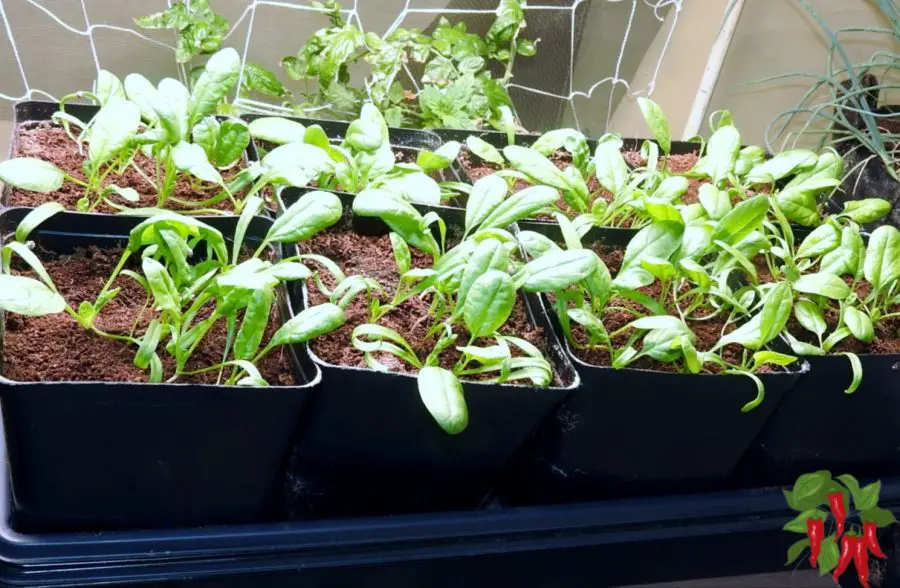
If you’ve ever wanted to grow fresh veggies inside but weren’t sure which setup to use, you’re in the perfect place.
Indoor Vegetable Growing Methods gives you a simple breakdown of the systems that actually work — from everyday pots to self-watering containers and beginner-friendly hydroponics.
You’ll see how easy it is to choose the method that fits your space, your schedule, and the way you like to grow.
What You’ll Learn 🌱
- 🌿 The easiest indoor growing methods for beginners
- 🥥 Why coco coir and light soil mixes work so well indoors
- 💧 How self-watering systems simplify your plant care
- 🌊 Which hydroponic setups are worth trying in small spaces
- 🪴 How to choose the right method for your crops and home
Indoor Vegetable Growing Methods: Easy Systems for Every Space
If you’ve ever wondered which growing method works best indoors, you’re in the right spot.
From simple pots to self-watering containers and beginner-friendly hydroponics, there’s a method that fits your space, budget, and skill level.
You don’t need a fancy setup — just the right system for your style.
Picture this: your veggies growing faster, staying healthier, and needing less daily maintenance. That’s exactly what the right indoor growing method can do.
Why Indoor Growing Methods Matter
Indoor veggies grow differently than outdoor garden beds. Light levels change, containers dry out faster, and some plants need a little more control over their moisture levels.
The method you choose decides how often you water, how quickly plants grow, and how healthy your harvests turn out.
Classic Containers: Simple and Reliable 🪴
Standard pots and containers are the easiest way to grow vegetables indoors. They’re forgiving, flexible, and perfect if you’re just getting started.
- 🪴 Choose containers with drainage holes
- 🌱 Best for greens, herbs, scallions, root crops, compact peppers
- 💧 Water when the top inch of soil feels dry
- 🧂 Works great with coco coir or potting mix blends
Want to explore the best container sizes and types for each veggie? See the full guide here:
Best Containers for Indoor Veggie Gardens
Fabric Grow Bags: Breathable and Beginner-Friendly 🧵
Grow bags are lightweight, affordable, and perfect for tight spaces. Their breathable sides help prevent overwatering and keep roots healthy.
- 🧵 Promote air-pruned, dense root systems
- 💨 Excellent airflow for indoor environments
- 🌡️ Plants stay cooler and less prone to root rot
- 🪴 Great for greens, carrots, peppers, and herbs
Learn how to get the best results with them here:
How To Use Grow Bags For Vegetables
Self-Watering Containers & SIPs: Perfect for Busy Growers 💧
If you forget to water or you want healthier plants with less effort, self-watering systems (SIPs) are a game-changer indoors. They keep soil evenly moist and reduce watering stress.
- 💧 Consistent moisture from below
- 🛡️ Helps prevent root rot and soggy soil
- ⏳ Less frequent watering — great for busy schedules
- 🌱 Ideal for leafy greens, peppers, tomatoes, carrots
See the complete SIP overview here:
What Does Self-Watering Planter Mean?
And the full soil mix recommended for best results:
Sub-Irrigated Planter Soil Mix
Coco Coir Growing: Clean, Fast, and Indoor-Friendly 🥥
Coco coir is one of the best growing mediums for indoor veggies. It’s clean, lightweight, and ideal for avoiding pests and soil compaction.
- 🥥 Holds moisture without becoming soggy
- 🌱 Encourages fast root growth
- 🧼 Cleaner indoors than peat or heavy soil
- ⚡ Perfect for carrots, greens, herbs, peppers, and microgreens
Full coco coir vegetable guide here:
Growing Vegetables in Coco Coir
Hydroponics: High-Speed Growth with Minimal Mess 🌊
If you want faster growth and bigger yields indoors, hydroponics is worth exploring. You don’t need to start with anything complex — simple DWC or Kratky setups work great.
- ⚡ Extremely fast growth compared to soil
- 🧼 No soil mess indoors
- 🌊 Great for lettuces, herbs, baby greens, scallions
- 💡 Requires consistent lighting and nutrient solution
See the beginner hydroponics guide here:
Hydroponic Gardening At Home For Beginners (7 Hydroponic Systems Explained)
Choosing the Right Method for Your Space
Every method has strengths. If you want low-maintenance, choose a SIP. Want fast growth? Try hydroponics. Prefer a classic feel? Stick with pots and coco coir. The best method is the one that matches your lifestyle — not the other way around.
- 🏠 Small apartment: SIPs, pots, coco coir
- 💡 Low-light area: pots + LED grow lights
- ⚡ Fast harvests: hydroponics
- 🧼 Cleanest setup: coco coir or DWC hydro
FAQ: Indoor Growing Methods
Which indoor growing method is best for beginners?
Standard pots or self-watering containers are easiest for new growers. Pair them with coco coir for clean, consistent results.
Can I use regular garden soil indoors?
No — it’s too heavy and may bring pests indoors. Stick to potting mix or coco coir blends.
Are hydroponics hard to learn?
Not at all. Simple DWC or Kratky setups are extremely beginner-friendly and inexpensive to start.
What method grows vegetables the fastest?
Hydroponics usually produces the quickest growth, especially for lettuces, herbs, and other leafy crops.
Do self-watering planters really work?
Yes — they keep moisture consistent and make indoor gardening easier, especially if you’re busy or forgetful with watering.
Conclusion: Choose the Method That Fits Your Space
Indoor gardening doesn’t have to be complicated. Once you pick a growing method that matches your space and your routine, the whole process becomes fun, simple, and surprisingly productive.
Whether you stick with classic containers, switch to self-watering planters, or try a small hydro setup, each method has its own strengths—and any of them can help you grow fresh food right inside your home.
Start with the system that feels easiest, learn as you go, and expand when you’re ready. Before long, you’ll have an indoor setup that grows exactly what you love to eat, all year long.
Key Takeaways 🌱
- 🪴 You can grow indoors using simple pots, grow bags, SIPs, or hydroponics.
- 🥥 Coco coir and light soil mixes make indoor growing cleaner and healthier for roots.
- 💧 Self-watering systems reduce watering stress and boost plant consistency.
- 🌊 Hydroponics offers fast growth, especially for greens and herbs.
- ✨ The best method is the one that fits your space, time, and style.
Next Steps: Build Your Indoor Growing Setup
Once you’ve picked a growing method, you’re ready to start putting your indoor garden together.
Whether you choose pots, grow bags, a self-watering planter, or an easy hydro setup, the next step is setting up your light, picking your containers, and choosing your first crops.
Your method is the foundation — now you’ll layer in the right light, medium, and plant choices to get everything growing smoothly.
Where to Go Next 🌿
- 💡 Learn how to give your plants the light they need:
Growing Vegetables Indoors With Lights - 🥬 Explore beginner-friendly crops that thrive inside:
The Best Vegetables to Grow Indoors - 🥕 Want an easy root crop to try next? Start here:
Growing Carrots in Pots Indoors - 🧅 Prefer something super low-maintenance? Try:
How to Grow Scallions Indoors - 🌿 Ready to add herbs to your setup?
Growing Rosemary in Pots Indoors - 🥥 If you want a cleaner, lighter growing mix:
How to Grow Vegetables in Coco Coir - 🌊 Interested in faster growth and hydro systems?
Indoor Hydroponic Vegetable Garden - 🪴 Want to try a self-watering setup?
What Does Self-Watering Planter Mean? - 🧵 Curious about grow bags?
How to Use Grow Bags for Vegetables
References 📚
- Penn State Extension – Container Vegetable Gardening
- University of Illinois Extension – Indoor Light & Plant Growth
- Clemson Cooperative Extension – Container Vegetable Gardening
- University of Maine Extension – Vegetable Growing Guide
- Oklahoma State University Extension – Soilless Growing Mediums
- Purdue Extension – Indoor Gardening Basics