
This post may contain affiliate links. If you buy something from one of our links we may earn a commission. Thanks
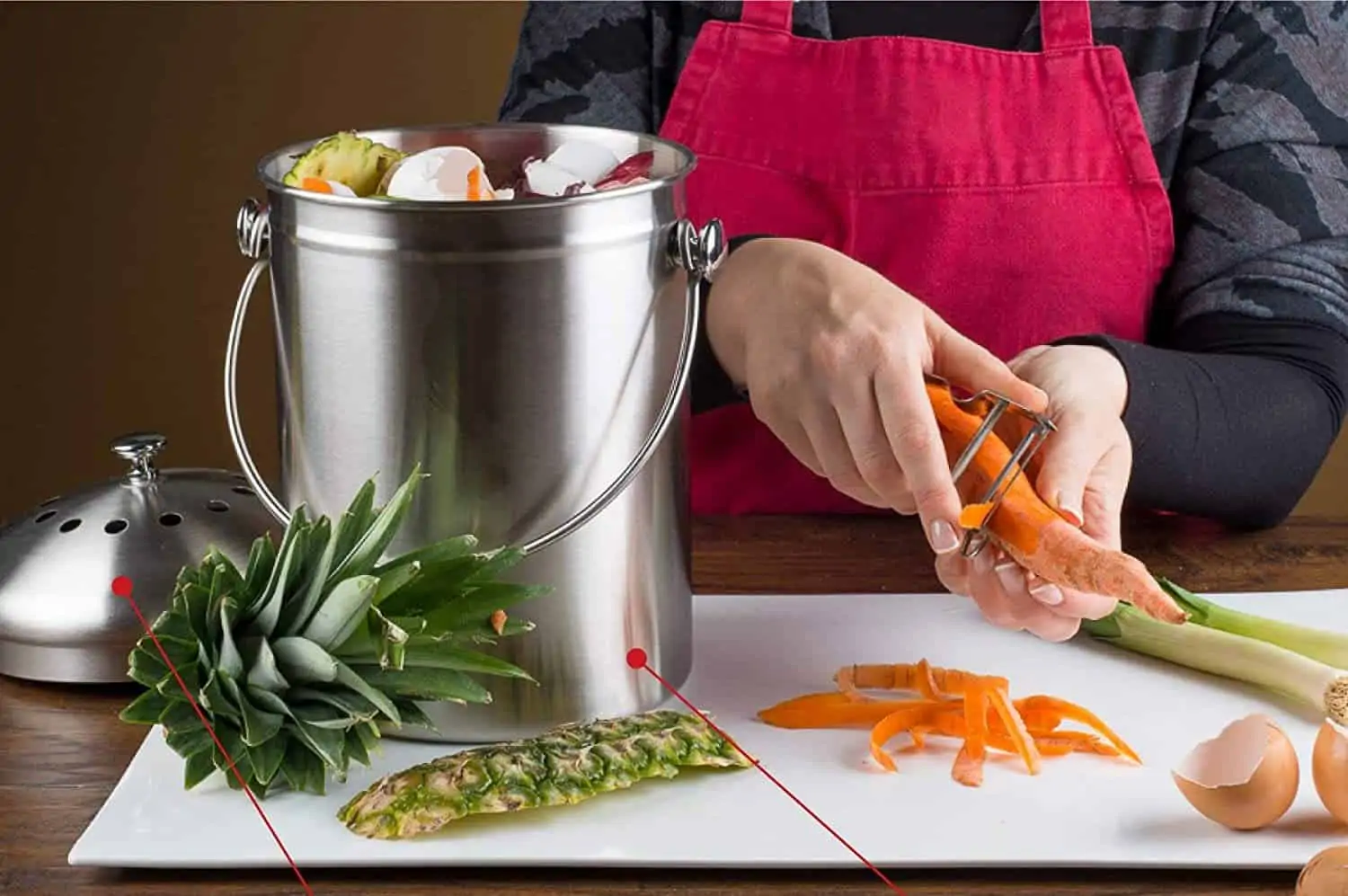
Indoor Composting: Start Here is the “no drama” hub for turning kitchen scraps into something useful—without a backyard, without stinking up your place, and without making composting your whole personality. If you’re building out your indoor-composting setup, you’re in the right spot.
First things first: your main pillar page is here, and it’s worth reading before you dive into the method-specific guides: Composting Indoors.
What You’ll Learn
• The easiest indoor composting options for apartments and small homes
• How to avoid smells, fruit flies, and “mystery goo” in your kitchen
• Which method fits your lifestyle: worms, bokashi, or bag/bin systems
• What you can (and can’t) compost indoors without headaches
• How to use finished compost and worm castings for real plant results
What “Indoor Composting” Really Means
Indoor composting isn’t one thing—it’s a few different systems that all solve the same problem: what to do with food scraps when you don’t have a pile outside.
Some methods break scraps down with microbes (bokashi). Some use worms (vermicomposting). Others are “collection + processing” systems that keep things contained and easy (bags, bins, countertop setups). The best option is the one you’ll actually keep doing after the first week.
Pick Your Method: The 3 Indoor Composting Paths
1) Worm composting (vermicomposting)
If you want the best finished material for houseplants and containers, worm castings are hard to beat. Worm bins can be odor-free when set up right, and they work great in apartments.
- Worm Composting In Your Apartment
- Indoor Worm Composting Bin Worm Factory 360
- Worm Factory 360 Adding Worms 30 Day Update
2) Bokashi (fermented composting)
Bokashi is the “small kitchen, low mess” option. It ferments scraps in a sealed bucket, which means less smell and fewer pests—especially helpful if fruit flies are already winning at your place.
3) Contained compost systems (bags/bins and simple setups)
If you want something easy to start with, contained systems help you collect scraps and keep your routine consistent. These can pair well with balcony planters, container gardens, or indoor grow setups
What You Can Compost Indoors (And What To Skip)
Indoor composting works best when you keep inputs simple. Most people get into trouble when they toss in “everything” and hope the system figures it out.
Easy wins (good for most indoor systems)
- Vegetable scraps (peels, ends, trimmings)
- Fruit scraps (in moderation—especially in worm bins)
- Coffee grounds and paper filters
- Tea (loose leaves; paper bags if plastic-free)
- Shredded cardboard/paper (as a carbon source)
Use caution
- Onions/garlic (can be slow to break down and smell stronger)
- Citrus peels (small amounts are fine; too much can slow worms)
- Very wet scraps (balance with dry bedding like shredded cardboard)
Usually skip indoors (unless your system is designed for it)
- Meat, bones, grease, oily foods
- Dairy
- Large amounts of cooked foods
Odor Control: The Real Secret to Indoor Composting
A healthy indoor compost setup shouldn’t smell “bad.” If it does, it’s usually one of these issues: too wet, not enough airflow (worms), not enough carbon (browns), or too much food added at once.
- Too wet? Add shredded cardboard or dry bedding and reduce watery scraps for a week.
- Fruit flies? Freeze scraps first, bury food under bedding, and keep lids sealed where applicable.
- Sour/rotten smell? You’ve likely gone anaerobic—reduce feeding and rebalance with browns.
Using Your Finished Compost Indoors
This is the part people forget: compost isn’t the finish line—it’s the upgrade. A small amount mixed into potting mix can improve moisture retention, microbial life, and overall plant resilience.
If you’re building healthier soil and want plant-safe options, these pair well with indoor composting:
- What are the Benefits of Using Organic Fertilizers?
- How to Create an Eco-Friendly Indoor Garden
- Eco-Friendly Pest Control for Indoor Plants
Quick Start: The Simplest Indoor Compost Routine
If you want a routine you can stick with, keep it boring (boring is good). Use a small kitchen container, empty it on a schedule, and don’t “experiment” with weird inputs until you’ve got a stable system.
- Pick a method (worms, bokashi, or contained system).
- Collect scraps in a small lidded container.
- Empty every 1–3 days (more often in warm weather).
- Balance wet scraps with dry browns (especially for worm bins).
- Do a simple reset/clean between cycles as needed.
Indoor Composting FAQs
What is the easiest indoor composting method for beginners?
For most beginners, bokashi or a simple contained system is the easiest start. Worm bins are excellent too, but they do best when you’re willing to learn the basics of bedding, moisture, and feeding.
Will indoor composting make my apartment smell?
Not if your system is balanced. Bad odors usually come from too much wet food, not enough browns (like shredded cardboard), or poor airflow. A healthy setup smells earthy or like nothing at all.
How do I prevent fruit flies when composting indoors?
Freeze scraps first, bury food under bedding (worm bins), keep lids sealed, and empty your kitchen scrap container regularly. Fruit flies show up when exposed food sits too long.
Can I compost citrus and onions indoors?
Yes, but go light—especially with worm bins. Small amounts are fine, but large amounts can slow breakdown and create stronger odors. Balance with dry browns and avoid dumping a big load all at once.
Is indoor-composting worth it if I only have a few houseplants?
Yes. Even a small amount of finished compost, worm castings, or bokashi-derived soil amendment can improve potting mixes and reduce how often you need bagged soil and fertilizers. Indoor-composting is one of those small habits that quietly pays off.
References
University Extension: Making and Using Compost (C:N ratio basics + how compost works)
University Extension: Indoor Worm Composting (Vermicomposting) guide
University Extension: Bokashi composting (indoor fermentation method)
U.S. EPA: Approaches to composting (greens/browns ratio + odor/pest prevention)
Cornell Composting: Compost chemistry (why carbon-to-nitrogen balance matters)