
This post may contain affiliate links. If you buy something from one of our links we may earn a commission. Thanks

🌿 Dreaming of a little bamboo jungle inside your home?
It’s tempting, but growing bamboo indoors takes a few smart tricks to keep it lush and thriving.
Many bamboo plants can grow happily inside, but choosing the right one (and knowing how to care for it) makes all the difference.
In this easy guide, you’ll discover the best indoor bamboo plants and simple care tips to help you grow beautiful bamboo in any space. 🪴
What is indoor bamboo care? Key Takeaways
- Indoor bamboo care involves choosing bamboo varieties suited for indoor growing.
- Provide bright indirect light, keep the soil moist but not soggy, and maintain warm, humid conditions.
- Popular choices include Lucky Bamboo, Multiplex Bamboo, and Fernleaf Bamboo.
🌿 Welcome to the wonderful world of Indoor Bamboo Plant Care!
🌱 Growing bamboo indoors adds natural beauty to your home and is a fun, rewarding hobby. These graceful plants bring life, movement, and a calming touch to any space.
🪴 Whether you’re an experienced green thumb or just getting started, this guide has you covered with simple tips and easy tricks to help your indoor bamboo thrive.
✨ So, get ready to bring a little bamboo magic into your home with our complete guide to indoor bamboo plant care!
🌿 What Is Indoor Bamboo?
Indoor bamboo refers to several types of plants that bring the look and feel of bamboo into your home.
🌱 Some are true bamboo species, while others are bamboo look-alikes that thrive indoors. 🏡
When people say “indoor bamboo,” they are often talking about one of these types:
- 🎋 True Bamboo: Smaller clumping bamboos like Multiplex Bamboo, Fernleaf Bamboo, and Black Bamboo can be grown indoors in large containers with proper care.
- 🎍 Lucky Bamboo: A popular houseplant that is not a true bamboo. Lucky Bamboo (Dracaena sanderiana) grows well in water or soil and is easy to maintain indoors.
- 🌸 Heavenly Bamboo: Another bamboo look-alike, Heavenly Bamboo (Nandina domestica) is a shrub with bamboo-like stems and colorful foliage. It can adapt to indoor growing when provided with bright light.
🎋 True bamboos grown indoors require more attention than Lucky Bamboo. They need proper lighting, humidity, and space to thrive.
However, both real and look-alike bamboos can bring beauty, a sense of calm, and natural charm to your home. ✨
🌟 In the next sections, we will explore the best bamboo varieties for indoor growing and how to keep them healthy and beautiful in your space.
🌿 Benefits of Growing Indoor Bamboo
When most people think of bamboo, they picture tall, swaying stalks in a tropical forest. 🌴
But bamboo is an incredibly versatile plant that can thrive indoors too, bringing beauty and life into any space. 🏡
Here are just a few of the benefits of growing indoor bamboo:
- 🌬️ Air purification: Bamboo plants act as natural air purifiers, helping to remove toxins from your indoor environment.
- 🎍 Aesthetic appeal: With their graceful stems and lush foliage, bamboo plants add a beautiful, calming touch to any decor.
- 🧘 Stress relief: Being around plants like bamboo can reduce stress and promote a sense of calm and well-being.
- 🪴 Low maintenance: Many bamboo varieties are easy to care for and thrive with minimal attention, making them perfect for busy households.
🎍 Bamboo and Feng Shui: Creating Harmony in Your Home
In recent years, the ancient Chinese practice of Feng Shui has become increasingly popular in homes around the world. ✨
Feng Shui is the art of arranging your space to promote harmony, balance, and positive energy. 🌟
It teaches that the placement of objects, colors, and shapes can influence your well-being, relationships, and success. 🏡
Bamboo is a favorite plant in Feng Shui because it symbolizes good fortune, prosperity, and vibrant life energy. 🎍
Placing bamboo thoughtfully in your home can help invite positive energy and a sense of calm into your living space.
🎍 Types of Bamboo Plants
Not all bamboo plants are created equal, especially when it comes to growing them indoors. 🏡 Some species thrive in indoor environments, while others need more space and sunlight than most homes can provide. ☀️
In this section, we’ll take a closer look at the types of bamboo plants best suited for indoor care and what makes each one unique. 🌿
Whether you’re looking for a compact bamboo plant to brighten up a windowsill or a larger statement piece for your living room, there’s a perfect indoor bamboo option for every space! 🪴
🌿 Best Indoor Bamboo Plants
Looking to add a touch of natural beauty to your home? 🌟 Certain bamboo plants and bamboo-like varieties are well-suited for indoor growing. They offer lush greenery, unique shapes, and calming energy for any space. 🏡
Here are some of the best indoor bamboo plants to consider:
- 🎍 Dwarf Bamboo: This compact bamboo variety reaches just 2 to 4 feet tall, making it perfect for small spaces, windowsills, or tabletops. It thrives in bright, indirect light and adds a graceful touch to any room. 🪴
- 🍀 Lucky Bamboo: A popular indoor plant that is not a true bamboo, Lucky Bamboo (Dracaena sanderiana) is known for its elegant, twisting stalks and low maintenance needs. It grows well in water or soil and brings good Feng Shui energy to your space. ✨
- Read more about growing Lucky Bambo in water or soil.
- 🌴 Bamboo Palm: Technically a palm (Chamaedorea seifrizii), the Bamboo Palm features slender, bamboo-like stems and lush foliage. It adapts well to low-light conditions and makes a striking statement as a floor plant.
- Bamboo Palm: (Chamaedorea seifrizii) Bamboo palms prefer low to moderate light conditions and well-draining soil.
- Read more about Bamboo Palms
👉 20 Benefits Of Keeping Indoor Plants
Our Top Picks For Bamboo Plant Indoor Care
🌟 With so many beautiful bamboo options out there, it can be hard to choose! 🎍 To help you get started, here are my top picks for indoor bamboo plants that offer great looks, easy care, and lots of personality. 🏡
Each of these varieties brings something special to your space — whether you want bold color, tropical vibes, or a touch of Feng Shui harmony. 🌿
🎍 Black Bamboo Plants (Phyllostachys nigra)

The Black Bamboo plant (Phyllostachys nigra) is a highly desirable choice for both indoor and outdoor gardening. 🌿 Known for its unique color and fast-growing nature, it is a fantastic option for gardeners of all levels. 🪴
One of its most notable traits is incredible hardiness. Black Bamboo can withstand temperatures as low as 0°F, making it a great choice for gardeners in colder regions.
Many choose to grow it in pots outdoors and move it inside during the winter months. ❄️
🌟 In addition to its toughness, Black Bamboo offers striking visual appeal. Shoots start green but mature to a bold flat black color by their second year, creating a beautiful contrast with the lush green foliage. It can serve as a standout feature in home décor or as a focal point in your indoor garden. 🏡
Black Bamboo is also a rapid grower, typically growing 10 to 12 feet per year and eventually reaching a height of up to 25 feet. Growth is easy to manage with regular trimming to maintain your desired size. ✂️
Outdoors, many gardeners plant several Black Bamboo specimens 3 to 5 feet apart to create an effective privacy screen. Indoors, it makes a dramatic and elegant addition to any space. 🎍

👉 The Black Bamboo is a fantastic addition to any indoor space. With proper care and pruning, you can enjoy its elegant form and bold color year-round. 🌿

👉 Read more about Black Bamboo
🎍 Multiplex Bamboo (Bambusa Glaucescens ‘Alphonso Karr’)
The Multiplex Bamboo, scientifically known as Bambusa Glaucescens ‘Alphonso Karr’, is an excellent option for those seeking a lush tropical feel with easy, non-invasive growth. 🌴 It is a top choice for both indoor spaces and container gardens. 🪴

This cold-hardy, subtropical bamboo thrives in temperatures as low as 10°F, making it highly resilient across many climates. It prefers bright light and consistently moist soil for vigorous growth. ☀️💧
Often called Hedge Bamboo or Clumping Bamboo, Multiplex Bamboo grows rapidly and can form a dense living wall up to 30 feet tall in under two years. Its lush, upright growth makes it perfect for creating an exotic privacy fence or as a striking container plant for patios and balconies. 🌿
Thanks to its dense clumping habit, it works beautifully for hedging along borders, driveways, and walkways without the risks of invasive spread. 🌿
The yellowish-green canes of Multiplex Bamboo create a secluded, island-inspired vibe wherever they are grown. ✨ With annual pruning, you can easily maintain your desired height and shape. No constant trimming required. ✂️
Additionally, Multiplex Bamboo is drought-tolerant once established, making it a low-maintenance choice. In outdoor settings, rainfall often handles most of its water needs. 🌧️
In summary, Multiplex Bamboo is ideal for anyone looking to bring a tropical feel indoors or onto the patio. Its non-invasive growth, cold tolerance, and fast growth rate make it a fantastic choice for adding vibrant greenery and privacy to your space. 🎍
👉 Read more about Multiplex Bamboo.
🌿 Fernleaf Bamboo Care (Bambusa multiplex ‘Fernleaf’)
Looking for a graceful, low-maintenance bamboo that thrives indoors or out? 🌿 Fernleaf Bamboo (Bambusa multiplex ‘Fernleaf’) is a standout choice! Its slender, fern-like foliage and elegant canes bring a lush, tropical vibe to your space while staying compact and manageable. 🏡
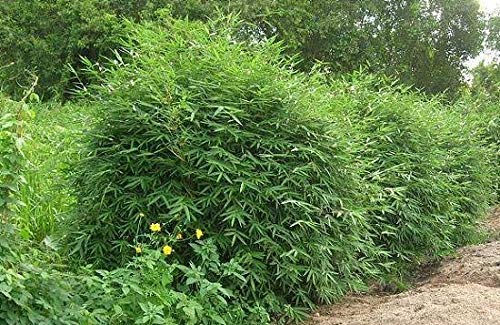
🌿 This clumping bamboo grows 6 to 10 feet tall and 4 to 6 feet wide, making it perfect for containers, patios, or indoor decor. Its full, arching branches create a lush canopy that offers privacy and a touch of the tropics wherever it grows. 🌴
🌧️ Fernleaf Bamboo is fast-growing, drought-tolerant once established, and thrives in a wide range of conditions — including tough urban soil. It also responds beautifully to pruning, so you can easily maintain the perfect size and shape. ✂️

Key care tips:
- ☀️ Light: Bright, indirect light
- 💧 Water: Keep soil moist but well-drained
- 🌫️ Humidity: Benefits from occasional misting
- ✂️ Pruning: Trim to maintain size and shape
✅ Best of all, Fernleaf Bamboo is a true clumping variety — so it stays contained and manageable, with no worries about spreading. 🏡
👉 Shop Fernleaf Bamboo here and bring its beauty to your space!
👉 Read more about Fernleaf Bamboo care here.
🎍 Lucky Bamboo Care (Dracaena sanderiana)
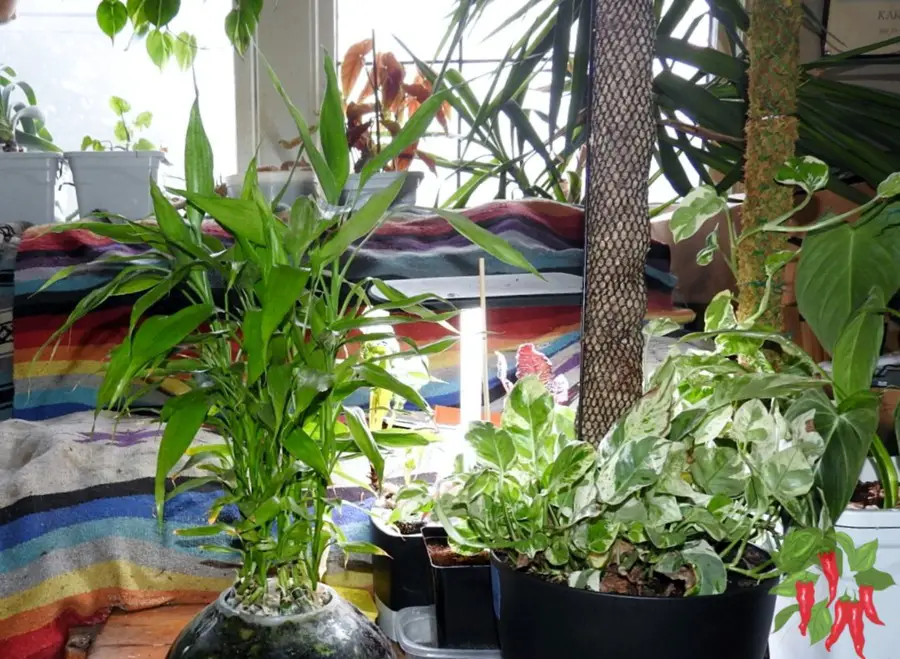
🎍 Lucky Bamboo (Dracaena sanderiana) is one of the most popular indoor bamboo look-alikes — and for good reason! ✨ Its elegant, twisting stalks and easy-going nature make it a beautiful choice for homes and offices alike.
Although it’s not a true bamboo, Lucky Bamboo brings a sense of harmony and is often used in Feng Shui to attract good fortune and positive energy. 🍀 You can grow it in water or soil, making it a flexible option for any space. 🪴

- ☀️ Light: Bright, indirect light — tolerates low light, but avoid direct sun
- 💧 Water: If grown in water, change water weekly; if grown in soil, keep the soil evenly moist
- 🌡️ Temperature: Prefers warm indoor temperatures — protect from cold drafts
- 🐾 Pet caution: Toxic to cats and dogs if ingested
👉 Learn more about growing Lucky Bamboo in water or soil here.
🌸 Heavenly Bamboo Care (Nandina domestica)
🌸 Heavenly Bamboo (Nandina domestica) brings a splash of year-round color and graceful form to your indoor plant collection. Though it’s technically a shrub, its bamboo-like stems and delicate foliage make it a natural fit for bamboo lovers. 🎍
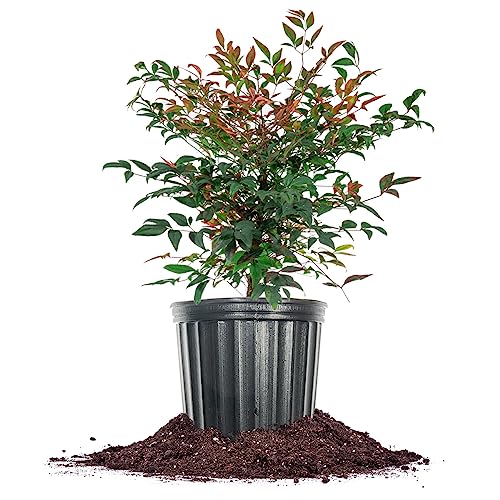 Gulfstream Nandina 3 Gal. Pot | Heavenly Bamboo | Low Maintenance | Vibrant Color Changing Foliage
Indoors, Heavenly Bamboo stays compact and adapts well to container growing. It offers beautiful, changing foliage — rich green in spring and summer, turning red or bronze in fall and winter. 🍁
- ☀️ Light: Bright, indirect light
- 💧 Water: Water when the top inch of soil is dry — avoid soggy conditions
- 🌿 Soil: Well-draining potting mix is ideal
- 🌸 Special feature: Colorful foliage and airy texture add visual interest all year long
👉 Learn more about the benefits of keeping indoor plants here.
🌿 Bamboo Plant Myths
Hey there! Have you ever heard some wild myths about bamboo plants? 🎍 Many people have misconceptions about growing bamboo indoors. It’s time to set the record straight and help you care for your bamboo with confidence. 🌟
In this section, we’ll debunk a few of the most common bamboo myths and share the truth about growing happy, healthy bamboo plants indoors. Let’s get started! 🪴
🌱 Common Myths and Misconceptions About Bamboo Plants
Bamboo plants are beloved for their beauty and ease of care. ✨ But with so much mixed information out there, it’s no wonder that some myths still cause confusion for indoor gardeners. Let’s clear up the most persistent ones. 🧐
🚫 Myth: Bamboo Is Invasive
One of the most common myths is that bamboo is invasive and will take over your home or garden. While this is true for some running bamboo species outdoors, many clumping varieties are perfectly well-behaved indoors. 🎍
Popular non-invasive choices for indoor growing include Lucky Bamboo and Dwarf Bamboo, both of which stay compact and manageable. 🪴
🚿 Myth: Bamboo Requires Constant Watering
Another common belief is that bamboo needs to be watered constantly. In fact, overwatering can do more harm than good. 🌧️
A good rule of thumb is to water your bamboo plant about once a week, or whenever the top inch of soil feels dry. Always use a well-draining pot to prevent soggy roots. 💧
⚙️ Myth: Bamboo Plants Are Hard to Care For
Many people think bamboo plants are fussy or difficult to care for. Luckily, that couldn’t be further from the truth! 🎉
With proper watering, occasional fertilization, and bright, indirect light, bamboo plants can thrive for years indoors. They are low-maintenance and very rewarding plants for beginners and experienced gardeners alike. 🌿
✅ Setting the Record Straight on Bamboo Care
Now that we’ve debunked these common myths, let’s recap how to keep your bamboo plant healthy: 📝
- 🌞 Provide bright, indirect sunlight.
- 🪴 Use a well-draining pot with quality potting mix.
- 💧 Water once a week or when the top inch of soil is dry.
- 🌿 Fertilize every few months with a balanced fertilizer.
- 🎍 Choose non-invasive varieties for indoor growing.
🌟 Proper Bamboo Plant Indoor Care
By understanding the truth behind common bamboo myths, you can enjoy all the beauty and benefits of growing bamboo indoors. 🎋
Stick to these simple care tips and your bamboo plant will thrive, bringing natural charm and calm energy to your space for years to come. 🌿✨
☀️ Light Requirements for Bamboo Plants
Bamboo plants love light, but not all types require the same amount. 🌞 Understanding the specific light needs of your indoor bamboo can make all the difference in helping it grow strong and healthy. 🌿
In this section, we’ll explore how much light bamboo really needs and share simple tips to help your plant thrive in any indoor space. Whether you have a bright windowsill or a cozy corner, you’ve got options! 🪴
🌞 Ideal Lighting Conditions for Bamboo Plants
Bamboo plants need the right amount of light to flourish. While some varieties can tolerate lower light, all types grow best with bright, indirect sunlight. 🌟
Ideally, bamboo plants should receive about 6 to 8 hours of bright, indirect light each day. Too little light can weaken your plant, while too much direct sun can scorch the leaves. Aim for balance! ⚖️
💡 Strategies for Providing Adequate Light Indoors
Providing enough light indoors can be a challenge, but here are some easy strategies to help your bamboo stay happy and healthy: 🌿
- 🌞 Place your bamboo near a bright, sunny window. South-facing windows provide the most light, but any spot with at least 6 hours of sunlight will help your plant thrive.
- 💡 Use artificial lighting. If natural light is limited, supplement with LED grow lights. They provide the right spectrum of light and are energy efficient.
- 🔄 Rotate your plant. Rotate your bamboo every few days so all sides get even exposure to light, encouraging balanced growth.
⚠️ Common Problems Related to Lighting
Without proper lighting, bamboo plants may show signs of stress. Here are a few things to watch for:
- 🍂 Too little light: Yellowing leaves, leaf drop, leggy and thin growth.
- 🔥 Too much direct light: Scorched or discolored leaves.
Keep an eye on your bamboo and adjust its lighting as needed. With the right balance of light, your plant will stay lush and vibrant! 🌟
🪴 Choosing the Right Container
Are you starting an indoor bamboo garden but feeling a little overwhelmed by all the container options out there? Don’t worry! Choosing the right container is an important step, but it doesn’t have to be stressful! 🌿
In this section, we’ll cover the pros and cons of different container types and offer simple tips on drainage, pot size, and soil mix so you can set your bamboo up for success. Let’s dive in! 🪴✨
🪴 Choosing the Right Container for Your Bamboo
The container you choose will directly impact your bamboo plant’s health and growth. 🌱 It affects everything from water retention to root space. Below, we’ll explore the best container options and key considerations for making your choice. 🧐
⚖️ Importance of Choosing the Right Container
Your bamboo’s container does more than just hold the plant. It controls moisture, provides room for growth, and supports healthy roots. 🪴
Choosing a container with the right features will help your bamboo thrive indoors. Let’s take a look at what to consider. 🌿
🪴 Types of Containers Available
There are many container options to suit your style and plant’s needs. Here’s a quick guide to the most popular choices: 🌟
- 🪴 Plastic containers: Lightweight, inexpensive, and easy to clean. Great for larger plants, but may lack the aesthetic charm of natural materials.
- 🏺 Terracotta and ceramic containers: Beautiful and excellent for regulating moisture. However, they can be heavy and fragile, and often cost more than plastic pots.
- 🎍 Bamboo containers: Eco-friendly and biodegradable. They offer a natural look but may not last as long or be as durable as other materials.
✅ Factors to Consider When Choosing a Container
Keep these key factors in mind when selecting a container for your bamboo plant: 📝
- 💧 Drainage: Always choose a pot with a drainage hole. Bamboo is sensitive to overwatering, and good drainage helps prevent root rot.
- 📏 Pot size: Select a container large enough to accommodate your bamboo’s current size and future growth. You want the roots to have room to expand.
- 🌿 Plan to repot your bamboo every 1–2 years as it outgrows its container. This keeps the roots healthy and gives your plant room to thrive indoors.
- 🌱 Soil mix: Use a well-draining, nutrient-rich soil mix to promote healthy roots and steady growth.
🌿 Pros and Cons of Different Container Types
Here’s a quick recap of the pros and cons of each container type: ⚖️
- 🪴 Plastic: Lightweight, budget-friendly, and easy to clean. Appearance may be less decorative.
- 🏺 Terracotta/Ceramic: Beautiful and helps regulate moisture. Heavier, more fragile, and more expensive.
- 🎍 Bamboo: Eco-friendly and stylish. Less durable and not ideal for long-term planting.
🌟 Final Tips: Choosing the Right Container for Your Bamboo
Choosing the right container is key to helping your bamboo plant stay healthy and vibrant. 🌿
By considering drainage, pot size, and soil mix, you’ll give your plant the perfect environment to grow and thrive. Whether you prefer plastic, ceramic, terracotta, or bamboo containers, choose one that matches both your bamboo’s needs and your personal style. 🏡✨
💧 Watering and Humidity
When it comes to providing proper bamboo plant indoor care, your bamboo is just like any other houseplant. It needs the right balance of water and humidity to thrive. 🌿
That balance can be a bit tricky, especially if you’re new to indoor gardening. In this section, we’ll dive into how to water your bamboo and create the humidity it loves so your plant stays happy and healthy. 🪴
Grab your watering can and let’s get started! 🌧️
💧 Importance of Proper Watering and Humidity for Bamboo Plants
Bamboo plants need consistent moisture to grow well, but it’s all about balance. Too much or too little water can quickly cause problems. ⚖️
Overwatering can lead to root rot, yellowing leaves, and even plant death. Underwatering may result in dry, crispy leaves and stunted growth. Bamboo also appreciates higher humidity, which can be a challenge in dry indoor environments. 🌿
✅ Strategies for Maintaining Appropriate Moisture Levels
Here are some simple strategies to keep your bamboo’s water and humidity levels just right:
- 💧 Water only when needed: Water your plant when the top inch of soil feels dry. Avoid overwatering. Soggy soil is one of the biggest bamboo killers.
- 🌫️ Boost humidity: Mist your bamboo regularly, use a humidifier, or place a shallow tray of water and pebbles near the plant to increase humidity around it.
- 🌱 Use well-draining soil: A good soil mix allows excess water to drain away from the roots, helping prevent rot.
⚠️ Signs of Overwatering and Underwatering
Watch for these common signs to help you adjust your watering routine as needed:
- 💦 Overwatering: Yellowing leaves, mushy stems, and a foul odor from the soil.
- 🌵 Underwatering: Crispy brown leaves and dry, crumbly soil.
Regularly checking your plant’s soil moisture will help you catch these issues early and keep your bamboo thriving. 🌿
🚫 Avoiding the Use of Tap Water
Tap water can contain chlorine, fluoride, and other chemicals that bamboo plants don’t love. 🧪 For best results:
- 💧 Use filtered or distilled water when watering your bamboo.
- 🌧️ Rainwater or bottled water are also great choices if available.
🌿 Can Bamboo Be Grown in Water?
Yes, but it depends on the type of bamboo! 🎍
Some species, like Lucky Bamboo (Dracaena sanderiana), are well-suited to growing in water. Other true bamboos prefer well-draining soil and can struggle in constant water.
If you’d like to propagate bamboo, you can root cuttings in water:
- 🌱 Place the cuttings in a container of clean water.
- 💧 Change the water frequently to prevent bacterial buildup.
- 🌿 Once roots develop, transplant the bamboo into soil for long-term growth.
In general, most bamboo plants thrive best in moist but well-draining soil rather than being grown permanently in water. 🪴
🌱 Soil and Fertilization
The soil you choose for your bamboo plant is just as important as light and water. 🌿 With the right soil mix and smart fertilization, your bamboo will grow strong and healthy indoors. 🪴
In this section, we’ll explore the best soil for bamboo and share simple fertilization tips to help your plant thrive. Whether you’re a seasoned gardener or new to indoor plant care, you’ll be ready to give your bamboo the best start possible! 🌟
🌿 Soil Requirements for Bamboo Plants
Bamboo plants need a well-draining, nutrient-rich soil mix to thrive indoors. 🌱
The ideal soil should be loose, porous, and able to hold moisture without becoming waterlogged. A mix of potting soil, perlite, and coco coir works beautifully, providing excellent drainage while helping retain just the right amount of moisture. 💧
🌸 Types of Fertilizers Suitable for Bamboo Plants
Regular fertilization supports healthy growth and vibrant foliage. Here are some great fertilizer options for bamboo plants:
- 🐟 Fish emulsion
- 🌊 Kelp meal
- 🪱 Worm castings
These organic fertilizers provide a slow-release source of nutrients that will not burn your bamboo’s roots, perfect for steady, balanced growth. 🌿
♻️ Using Coco Coir and Perlite Mix Instead of Peat Moss
Instead of using peat moss, which has environmental concerns, you can create an eco-friendly mix with coco coir and perlite. ♻️
- 🥥 Coco coir is made from coconut fibers and is an excellent, sustainable alternative to peat moss.
- ⚪ Perlite is a lightweight volcanic glass that improves drainage and aeration in your soil mix.
Together, they help create the perfect indoor bamboo soil blend! 🌱
✅ Tips for Fertilizing Bamboo Plants Indoors
To keep your bamboo plant thriving, here are some simple fertilization tips to follow:
- 🗓️ Fertilize every 2 to 3 months during the growing season.
- 🧪 Use a balanced fertilizer such as 10-10-10 or 20-20-20.
- 🌿 Apply fertilizer to the soil around the base of the plant, avoiding the leaves and stems.
🕒 Using Slow-Release Fertilizer and Fertilizer Spikes
Slow-release fertilizers are a great option for indoor bamboo, providing a steady source of nutrients over time. 🌟
You can also use slow-release fertilizer spikes, which are inserted into the soil and gradually dissolve to nourish your plant. 🪴
Both options make fertilization easy and help maintain consistent growth, especially helpful if you want to simplify your care routine! ✅
✂️ Pruning and Propagation
Pruning and propagation are key parts of bamboo plant indoor care. ✂️ Pruning helps maintain your plant’s shape and size, while propagation gives you the opportunity to create new bamboo plants from your existing ones. 🌿
Whether you’re brand new to gardening or an experienced plant parent, learning to prune and propagate bamboo is a fun and rewarding skill. 🌟 In this section, we’ll cover the basics and share easy tips to help your bamboo plants thrive! 🪴
🌿 Importance of Pruning and Propagation for Bamboo Plants
Pruning and propagation help keep your bamboo healthy, beautiful, and manageable. ✨
✂️ Pruning controls size and shape and prevents the plant from becoming too large or unruly indoors.
🌱 Propagation allows you to create new bamboo plants, giving you more greenery to enjoy or share with friends! 🌿
✂️ Techniques for Pruning Bamboo Plants
Here are a few simple pruning tips to keep your bamboo looking its best:
- ✂️ Always use sharp, clean pruning shears to make precise cuts and reduce the risk of infection.
- 🌿 Prune your bamboo regularly to control its size and encourage healthy, compact growth.
- 🪴 Focus on removing any dead, damaged, or diseased branches and any stems that are crossing or rubbing against each other.
A little pruning goes a long way. Regular maintenance helps your bamboo stay vibrant and manageable indoors! 🌟
🌱 Strategies for Propagating Bamboo Plants
There are several effective ways to propagate bamboo plants. Here are the most popular methods to try:
- 🌿 Division: The easiest method! When repotting, separate the plant into smaller sections, each with healthy roots. Pot them up, and each division will grow into a new plant.
- 💧 Cuttings: Take a small section of bamboo stem and root it in water or soil to create a new plant. Water rooting is especially easy and fun to watch!
- 🌱 Layering: Bend a healthy stem to the soil surface while it’s still attached to the parent plant. Bury part of the stem and allow it to develop roots, then separate and pot it as a new plant.
Each method has its own benefits. Choose the one that best fits your plant and space! 🌿✨
🐛 Common Problems and Solutions
Bamboo plants are generally easy to care for, but like any houseplant, they can occasionally face problems, especially from pests like spider mites and mealybugs. 🐞
In this section, we’ll cover how to identify and treat common bamboo plant pests, along with simple strategies to prevent infestations and keep your indoor bamboo thriving. 🌿✨
🪲 Common Pests That Affect Bamboo Plants
- 🕷️ Spider mites: Tiny pests that cause fine webbing on leaves and can stunt growth if left untreated.
- 🧴 Mealybugs: Small, cotton-like insects that cause leaf yellowing, curling, and sticky residue. They can be difficult to remove once established.
👀 Signs of Pest Infestation
Watch for these common signs of pest problems on your bamboo:
- 🍂 Brown or yellow spots on leaves
- 💧 Sticky residue on leaves or soil (a sign of honeydew from pests)
- 🕸️ Webbing on the plant (from spider mites)
🛡️ Strategies for Preventing Pest Infestations
Prevention is the best defense! Here are simple steps to help keep your bamboo pest-free:
- 🧼 Keep the plant clean: Regularly wipe leaves with a damp cloth to remove dust and pests.
- 🌬️ Provide proper ventilation: Good airflow discourages pests from settling in.
- 🌿 Maintain plant health: Healthy bamboo is less prone to pest issues. Water and fertilize properly to keep your plant strong. 💪
🪴 How to Treat and Get Rid of Pests
If you do spot pests on your bamboo, here are effective treatment options:
- 🌱 Natural remedies: Spray the plant with neem oil or insecticidal soap. You can also introduce beneficial insects like ladybugs to help control pests.
- 🧪 Chemical treatments: If natural methods are not effective, you can use a mild chemical pesticide as a last resort. Always follow label instructions carefully.
🌟 Final Thought
Regular plant maintenance and proactive pest prevention go a long way in keeping your indoor bamboo garden healthy and pest-free. 🌿
By staying aware of common pests and their signs, you’ll be able to catch problems early and take quick action to protect your beautiful bamboo plant. 🪴✨
🏡 Decorating with Bamboo
Are you looking for creative ways to incorporate bamboo plants into your home decor? 🎍 You’re in the right place! Bamboo is easy to care for and brings a natural, calming element to any room. ✨
In this section, we’ll explore fun and stylish ways to use bamboo from simple accents to dramatic statement pieces. Let’s spruce up your space with beautiful and eco-friendly bamboo decor! 🌿
🌿 Benefits of Using Bamboo in Home Decor
Bamboo plants and bamboo accents offer so much more than just good looks. Here are some of the key benefits:
- 🌸 Add a touch of exotic charm to any room.
- 🍃 Help purify the air and create a healthier indoor environment.
- 🧘 Create a calming atmosphere that can boost mood and productivity.
- 🪴 Versatile and easy to maintain, perfect for any decor style.
🎍 Creative Ways to Use Bamboo in Interior Design
Here are some fun ideas for bringing bamboo into your home decor:
🌿 Bamboo Accents
Start small with bamboo accents like vases, picture frames, lampshades, or even bamboo coasters. These simple touches add natural warmth and an earthy vibe to any space. 🪴
🌿 Bamboo Screens and Curtains
Bamboo screens or curtains are both functional and beautiful. Use them as room dividers or as a stylish backdrop for your indoor garden. They add texture and help create a sense of privacy and intimacy. 🏡
🌿 Bamboo Wall or Privacy Screen
For a bold statement, create a bamboo wall or privacy screen using vertical or horizontal bamboo poles. This works indoors as an accent wall or outdoors on your patio or balcony to create a cozy, private retreat. 🌞
🌿 Best Types of Bamboo Plants for Decorating
If you want to incorporate live bamboo plants into your decor, here are some of the best options:
- 🍀 Lucky Bamboo: Low maintenance and perfect for low-light spaces. Great for desks, shelves, and tabletop arrangements.
- 🌿 Snake Plant: Not technically bamboo, but complements bamboo decor beautifully. Thrives in both low and bright light.
- 🌴 Bamboo Palm: Loves bright, indirect light and can grow up to 7 feet tall. A great choice for large rooms or empty corners.
🌟 Incorporating Bamboo into Your Home Decor
Bamboo is beautiful, versatile, and full of benefits for your home. 🌿
Whether you choose to add bamboo accents, install bamboo screens, or grow beautiful bamboo plants indoors, this natural material can help create a calming, earthy atmosphere in any space. 🧘
Why not give it a try? Start adding bamboo to your home decor and enjoy the peaceful, fresh energy it brings. ✨
🎍 DIY Bamboo Planters
Feeling crafty? ✂️ DIY bamboo planters are a fun and creative way to add a personal touch to your indoor bamboo garden. 🌿
Not only are these planters affordable and eco-friendly, they also give you a chance to showcase your unique style. Ready to get started? Let’s make something beautiful! 🪴✨
🎨 Creating Your Own Planters
DIY bamboo planters are a great way to add personality and charm to your space. 🎍 They’re easy to make and offer endless creative possibilities.
In this section, you’ll learn how to create your own bamboo planters from simple tabletop vases to stylish hanging planters. 🏡
🛠️ Materials Needed
Here’s what you’ll need to make your own bamboo planters:
- 🎍 Bamboo stalks (purchased online or at a home goods store)
- 🧵 Twine or string
- ⭕ Bamboo rings (available at craft stores or online)
- 🪴 Plastic or glass container (to hold soil and plants inside the bamboo)
📝 Steps for Creating Bamboo Planters
Here are two fun and simple ways to create bamboo planters:
- 🌿 Tabletop bamboo vase: Cut a bamboo stalk to your desired height. Place a small plastic or glass container inside the stalk to hold soil and your plant.
- 🌿 Hanging bamboo planter: Cut several bamboo stalks to the desired length. Tie them together securely with twine. Attach bamboo rings to the twine and hang the planter from a ceiling hook or wall bracket. Fill it with soil and your favorite plants. 🪴
🌟 DIY Bamboo Planters Conclusion
DIY bamboo planters are a fantastic way to express your creativity and add a natural, stylish touch to your indoor garden. 🎍
With just a few simple materials and a little imagination, you can create one-of-a-kind bamboo planters that brighten up any room in your home. ✨
How To Grow Bamboo Indoors Quick Tips
🌿 Quick Bamboo Growing Tips Recap
Here’s a quick recap of what your bamboo needs to thrive indoors. 🏡✨
- 🌞 Light: Bright, indirect sunlight for 6–8 hours daily. Avoid harsh direct sun.
- 💧 Water: Keep soil consistently moist, but not soggy. Water when top inch of soil is dry.
- 🌫️ Humidity: Bamboo loves higher humidity. Mist regularly or use a humidifier.
- 🌱 Soil: Well-draining mix with potting soil, coco coir, and perlite.
- 🍀 Fertilizer: Apply balanced liquid fertilizer every 2–3 months during growing season.
- ✂️ Pruning: Trim dead or damaged stems and shape your plant as needed.
🌟 Follow these simple tips and your indoor bamboo will reward you with lush, vibrant growth all year long!
❓ Growing Indoor Bamboo FAQs
Caring for an indoor bamboo plant can sometimes leave new plant owners scratching their heads. 🤔
While bamboo is generally robust and low-maintenance, it does have a few specific needs. 🌿
If you’ve got questions about how to keep your bamboo thriving indoors, you’re in the right place! Below are some of the most frequently asked questions and answers to help you on your bamboo care journey. 🪴✨
❓ Q: How do you take care of indoor bamboo?
🌿 A: Indoor bamboo prefers bright, indirect light and consistently moist soil (but not soggy!).
Use a balanced liquid fertilizer every 4 to 6 weeks for healthy growth. Also, protect your bamboo from drafts and sudden temperature changes. 🌡️
❓ Q: Do bamboo plants need direct sunlight?
🌞 A: No, bamboo plants do best with bright, indirect light. Direct sunlight can scorch the leaves, so place your bamboo where it will receive filtered or diffused light. 🪟
❓ Q: How often should you water an indoor bamboo plant?
💧 A: Keep the soil consistently moist, but never waterlogged.
Water when the top inch of soil feels dry to the touch. The frequency will vary depending on your room’s temperature and humidity. Aim for balanced, even moisture. 🌿
❓ Q: Why are bamboo leaves turning yellow?
🍂 A: Yellowing leaves may signal one of several issues: overwatering, underwatering, or too much direct sunlight. 🌞
It could also indicate a nutrient deficiency. Check your watering routine, light exposure, and consider using a balanced fertilizer to support your plant. 🌱
❓ Q: Is bamboo safe for pets?
🐾 A: It depends on the type of bamboo. True bamboos are generally non-toxic to pets.
However, Lucky Bamboo (Dracaena sanderiana) is toxic to cats and dogs if chewed or ingested.
If you have curious pets, it’s best to keep Lucky Bamboo out of reach. 🐕🐈
🌿 Bamboo Plant Indoor Conclusion
Well, there you have it, your complete guide to growing bamboo indoors! 🎍
We’ve covered everything from choosing the right type of bamboo to providing it with proper light, water, soil, and nutrients, plus pruning, propagation, and decorating ideas. 🪴
By following these simple tips, you can help your bamboo plant thrive, bringing natural beauty and tranquility to your home. 🌟
Remember, caring for bamboo doesn’t have to be complicated. With a little love and attention, your plant can become a stunning centerpiece of your space. 🏡
✨ Final Thoughts on the Benefits of Growing Bamboo Plants Indoors
Bamboo plants aren’t just beautiful. They bring a host of benefits to your indoor space. 🌿
- 🌬️ Purify the air and remove toxins.
- 🧘 Add a calming, natural element to your decor.
- 🍀 Symbolize good luck and prosperity in many cultures.
- 🌱 Help you connect with nature and foster mindfulness at home.
🎍 Start Your Own Indoor Bamboo Garden!
Now that you know the essentials of bamboo plant care, why not start your own indoor bamboo garden? 🌿
Begin by selecting the right bamboo for your space. Then give it bright, indirect light, the right amount of water, and a nutrient-rich soil mix. A little care goes a long way! 🪴
🌿 Quick Tips for Indoor Bamboo Care
- ☀️ Light: Bright, indirect light is best—aim for 6–8 hours/day. Rotate plants for even growth.
- 💧 Water: Water when the top inch of soil is dry. If growing in water (like Lucky Bamboo), change it weekly.
- 🚱 Water quality: Use filtered, distilled, or chlorine-free tap water to avoid leaf browning.
- 🌡️ Temperature & Humidity: Keep temps between 65–90 °F; mist leaves or use a pebble tray in dry air.
- 🪴 Soil & Drainage: Use well-draining potting mix—perlite, coco coir, or pebbles work great. :contentReference[oaicite:5]{index=5}
- 🌿 Fertilizer: Light feeding—every 4–8 weeks with a balanced liquid fertilizer. :contentReference[oaicite:6]{index=6}
- ✂️ Pruning & Propagation: Trim dead growth; propagate via cuttings, division, or layering.
So, what are you waiting for? Start your bamboo garden today and enjoy the peaceful, vibrant energy it brings to your home. ✨
👉 Check out our category on indoor bamboo for more articles.
📚 References
- Bamboo (Bambusoideae) — Heritage Garden, UIC
- Bambusa multiplex — Plant Toolbox, NC State University
- Nandina domestica — Plant Toolbox, NC State University
- Dracaena sanderiana — Plant Toolbox, NC State University
- Lucky Bamboo — Arkansas Cooperative Extension Service