
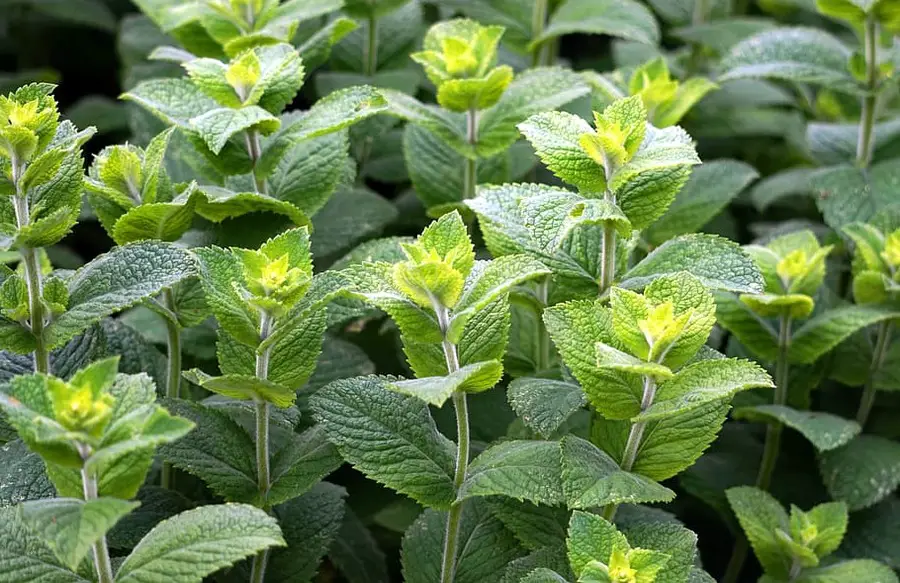
How to Grow Mint Indoors Without It Taking Over
If you’ve ever planted mint once and felt like it tried to move into every pot on the windowsill, you’re not alone.
Mint is delicious, easy to grow, and famously pushy. The trick indoors is simple: you don’t fight its energy, you channel it.
In this guide, you’ll learn how to grow mint indoors so it stays healthy, bushy, and under control.
You’ll set boundaries with the right pot, pruning routine, and light—so you get nonstop harvests without mint sneaking into every container in your apartment.
What You’ll Learn 🌱
- 🌿 How mint actually spreads and why it feels “invasive” even in a pot
- 🪴 The best containers to keep mint contained indoors
- ☀️ Light, soil, and watering habits that keep plants compact instead of leggy
- ✂️ A simple pruning and harvesting routine that stops mint from taking over
- 🧺 When and how to divide mint so it doesn’t outgrow its space
Mint Plant Care Reference Guide
| Characteristic | Details |
|---|---|
| Common Name | Mint |
| Botanical Name | Mentha spp. |
| Native Habitat | Europe, Asia, and parts of Africa; thrives in moist, temperate regions |
| Plant Type | Perennial herb |
| Growth Pattern | Fast-growing; spreads through underground rhizomes |
| Mature Size | 12–24 inches tall, 12–18 inches wide indoors |
| Watering | Keep soil evenly moist; water when top inch feels dry |
| Light/Sun Exposure | Bright, indirect light; 4–6 hours daily or LED grow light |
| Soil Type | Well-draining potting mix with light organic matter |
| Soil pH | 6.0–7.0 (slightly acidic to neutral) |
| Temperature | 60–75°F indoors; avoid cold drafts |
| Humidity | Average household humidity; appreciates slight moisture indoors |
| Bloom Time & Flower Color | Summer; small white, pink, or lavender flowers |
| Potential Problems | Legginess, overwatering, rootbound growth, aphids, spider mites |
| Repotting | Every 12–18 months; divide roots to prevent overcrowding |
| Hardiness Zones (USDA) | Zones 3–11 (grown as a perennial outdoors) |
🌿 Why Mint Wants to Take Over (Even Indoors)
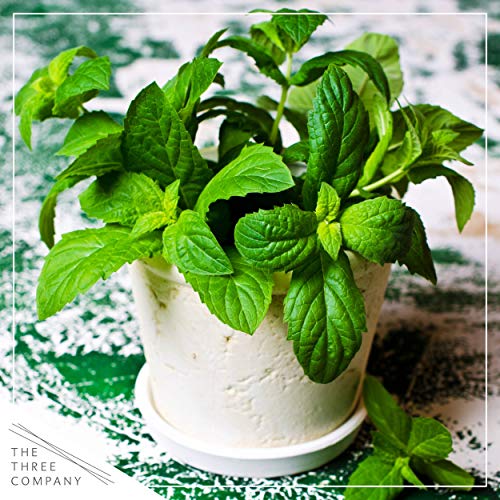
🌱 Mint’s “runner” habit in plain language
Mint spreads by underground stems called rhizomes. Outdoors, those rhizomes run under the soil, pop up a foot away, and before you know it, there’s mint everywhere. Indoors, you don’t have a yard—but you still have that same energetic plant in a container.
- 🌿 Mint constantly sends out new shoots and roots.
- 🏃 It responds to pruning and good light by growing even more.
- 🧩 In a pot, that energy turns into a dense, tangled root ball if you never divide or trim it.
The good news is that this “takeover” habit is exactly what makes mint so forgiving for beginners. If you give it some structure, it will reward you with endless leaves.
💚 Why vigorous growth is actually a benefit
- 🍃 You can harvest often, and it grows back quickly.
- 🧂 It’s easy to share divisions with friends or start new pots.
- 💪 It tolerates the occasional missed watering or imperfect light better than many herbs.
Your goal isn’t to make mint behave like a slow, delicate plant. Your goal is to contain that energy in a single pot and train it to grow thick, leafy, and compact.
🪴 The Best Containers to Keep Mint Contained Indoors
📦 Why mint needs a pot of its own
The first rule for controlling mint is simple: give it its own container. Don’t tuck it into a cute mixed herb planter with basil, thyme, and parsley. Mint will outcompete them every time.
- 🪴 Keep mint in a dedicated pot—no roommates.
- 🌿 This prevents roots from choking slower herbs.
- 🔁 It also makes repotting and dividing much easier later on.
📏 Ideal size, material, and drainage
Indoors, an 8–10 inch wide pot is a sweet spot for most mint varieties. That gives roots room to grow without letting the plant take over your whole shelf.
- 🧺 Size: 8–10 inch diameter, similar depth.
- 🧱 Material: plastic, ceramic, or clay all work as long as the pot is solid—no cracks for roots to escape.
- 💧 Drainage: make sure there are drainage holes at the bottom to prevent soggy soil and root rot.
Wide and not too deep is better than tall and narrow. Mint likes to spread its roots sideways more than straight down.
💧 Should you use a self-watering pot?

Mint likes consistent moisture, so self-watering containers can be a nice option if you tend to forget to water.
- ✅ Pros: keeps soil more evenly moist, great for busy schedules.
- ⚠️ Watch out: if the reservoir is constantly full and the soil never dries slightly, roots can suffocate.
Use a light, well-draining potting mix and empty the reservoir occasionally if the plant looks droopy or yellow despite being wet.
☀️ Light & Temperature for Compact, Bushy Mint
🌤️ How much light mint needs indoors
Mint doesn’t need blazing desert sun, but it does want bright, steady light. That’s the difference between a full, leafy plant and a sad, stretched-out one.
- ☀️ Aim for 4–6 hours of bright, indirect light each day.
- 🪟 East- or south-facing windows usually work best.
- 💡 If your space is dim, add a small LED grow light over the pot.
If stems are getting long, thin, and floppy, your mint is telling you it needs more light and a good trim.
🌡️ Temperature and airflow
- 🏠 Mint is happiest between about 60–75°F indoors.
- 🌬️ Keep it away from blasting heat vents and cold drafts.
- 🧊 In winter, avoid pressing the pot right against a freezing windowpane.
Normal room temperatures in most homes are fine. Just try to keep conditions steady instead of big swings between hot and cold.
🌱 Soil, Watering, and Fertilizing: The “Control” Basics

🧪 Picking the right potting mix
Mint is not very picky, but you’ll get better results with a decent potting mix instead of heavy garden soil.
- 🌿 Use a high-quality, all-purpose potting mix for containers.
- 🪵 Adding a bit of perlite or extra coarse material helps drainage.
- 🚫 Skip garden soil—it compacts in pots and holds too much water.
Good drainage keeps roots healthy, which keeps the top of the plant lush and easier to shape.
💧 Watering without drowning your mint
Mint likes “evenly moist” soil, not bone dry and not swampy. Overwatering is one of the easiest ways to stress the plant and make it vulnerable.
- 👆 Check with your finger: water when the top inch of soil feels dry.
- 🚿 Water thoroughly until excess drains from the bottom.
- 🫗 Empty any saucer under the pot so roots aren’t sitting in water.
If leaves yellow from the bottom and the soil feels constantly wet, let it dry out longer between waterings and check that drainage holes aren’t blocked.
🌼 Fertilizer: just a light snack
Indoors, mint doesn’t need heavy feeding. Too much fertilizer can actually push weak, floppy growth.
- 🔁 Feed once a month in spring and summer with a balanced, diluted liquid fertilizer.
- 🛌 Hold off or fertilize very lightly in fall and winter when growth slows.
Healthy, steady growth is easier to control than fast, soft growth that flops over the edge of the pot.
✂️ Pruning & Harvesting: The Secret to Keeping Mint Compact

✂️ Why regular pruning matters
Pruning is your main tool for keeping mint from “taking over” above the soil. Every time you cut a stem, the plant responds by branching and thickening up instead of shooting straight out in one direction.
- 🌿 Regular pruning keeps plants shorter and bushier.
- 🍽️ You get more usable tips and fresh leaves.
- 🧹 It prevents tall, leggy stems from flopping and shading new growth.
📌 How to prune mint step-by-step
- Look for stems that are taller than the rest or starting to lean.
- Find a pair of leaves (a leaf node) a bit below the top of the stem.
- Use clean scissors or pruners to cut just above that node.
- Repeat across the plant, removing the tallest third of growth.
Those leaf nodes you cut above will each send out new shoots, turning one stem into two and gradually creating a dense mini-bush instead of a wild tangle.
🥗 Harvesting for flavor and control
- 🍃 Harvest lightly and often instead of taking huge chunks at once.
- 📉 Try not to remove more than one-third of the plant at a time.
- 🧺 Snip whole stems rather than individual leaves when possible—it’s faster and encourages branching.
Use your harvest right away in tea, drinks, salads, or desserts, or dry extra leaves for later. Either way, you’re turning “excess growth” into flavor instead of clutter.
🧺 Repotting and Dividing Mint Before It Becomes a Root Brick
🔍 When to know mint needs more space
Even in a dedicated pot, mint eventually packs the root zone so tightly that water runs right through and the plant slows down. That’s your cue to divide it.
- 🧱 Roots circling the pot and poking out drainage holes.
- 🥀 Top growth looks tired even with good care.
- 💧 Soil dries out extremely fast after watering.
🪚 How to divide an overgrown mint plant
- Water the plant a few hours before you start so the root ball is easier to work with.
- Slide the plant out of the pot and gently brush away loose soil.
- Use a clean knife or garden saw to slice the root ball into halves or quarters.
- Replant one section back into the original pot with fresh potting mix.
- Pot the other sections into separate containers or share them with friends.
Dividing mint every year or two keeps plants productive and prevents the “solid root brick” situation that makes watering and growth harder to manage.
🚫 Common Indoor Mint Problems (and Easy Fixes)
🌱 Mint is leggy and floppy
- 🔎 Likely cause: not enough light.
- ✅ Fix: move closer to a bright window or add a grow light, then prune stems back by one-third.
💛 Yellow leaves and soggy soil
- 🔎 Likely cause: overwatering or poor drainage.
- ✅ Fix: let the soil dry more between waterings and make sure drainage holes are open.
😕 Mint has weak flavor
- 🔎 Possible cause: low light or excessive fertilizer.
- ✅ Fix: increase light, cut back on feeding, and harvest more often to encourage new, flavorful growth.
🐛 Pests on indoor mint
- 👀 Check under leaves for aphids or spider mites if you see sticky leaves or fine webbing.
- 🧽 Rinse plants gently in the sink and wipe leaves if needed.
- 🧴 Use a mild insecticidal soap if rinsing isn’t enough, following label directions.
🌼 Good Mint Varieties for Indoor Pots
Most common mints can do well indoors, but a few are especially nice for container growers.
- 🍃 Spearmint – classic, versatile, and very forgiving.
- 🍫 Chocolate mint – slightly less aggressive, with a dessert-like aroma.
- 🌿 Peppermint – strong scent and flavor, great for tea and cooler indoor spots.
Start with one variety per pot, learn how it behaves, and then add more types if you want a mini mint collection.
📋 A Simple Indoor Mint Routine You Can Follow
If you like having a clear, repeatable routine, here’s a simple one you can follow all year:
- 🗓️ Weekly: check soil moisture, water when the surface is dry, and pinch a few tips for use in the kitchen.
- 🔁 Every 1–2 weeks: give the plant a light pruning to keep it compact and even.
- 💡 Daily: make sure it’s getting bright light; adjust blinds or grow light height as needed.
- 📦 Every 12–18 months: slide the plant out of the pot and divide if roots are crowded.
With that rhythm, your mint will stay productive, tidy, and far from out-of-control.
🌟 Conclusion: Endless Mint, Zero Takeover
When you grow mint indoors the right way, it stops being that “bully” plant and becomes one of the easiest herbs in your home.
Give it its own pot, solid light, well-draining soil, and a regular trim, and you’ll have a compact, fragrant plant you can harvest from almost every day.
Instead of mint taking over your windowsill, you’ll be the one in charge—deciding when to cut, when to divide, and how many new pots you actually want.
Once you’ve dialed in this routine, mint goes from overwhelming to amazing.
FAQ
How do you keep mint from taking over indoors?
Grow mint in a pot of its own, use a container that limits side-to-side root spread, and prune the stems regularly. Dividing the plant every year or two also keeps the roots from becoming overcrowded.
Does mint grow well indoors?
Yes, mint grows very well indoors as long as it gets bright light, well-draining potting mix, and consistent moisture. Regular pruning keeps plants compact and productive instead of leggy.
What size pot is best for indoor mint?
An 8 to 10 inch wide pot is usually ideal for indoor mint. It gives the roots enough space to grow without letting the plant become unmanageable on a windowsill or counter.
Can mint grow in low light?
Mint can survive in low light, but it will stretch and become leggy. For dense, leafy growth, place it near a bright window or use a small grow light for 4 to 6 hours of strong light each day.
How often should you prune mint indoors?
Prune mint every one to two weeks during active growth. Trim back the tallest stems by about one-third to encourage branching and keep the plant compact.