

How to grow dragon fruit indoors is easier than most people expect. With enough light, a large container, and proper support, dragon fruit can grow surprisingly well indoors and even produce fruit in small-space setups.
Indoor dragon fruit plants need strong light, fast-draining soil, and a sturdy support system to stay healthy and productive.
In this guide, you’ll learn how to grow dragon fruit indoors, choose the best containers and soil, train the plant properly, and avoid common problems that slow growth or prevent fruiting.

How to Grow Dragon Fruit Indoors
- Use a large container with excellent drainage
- Provide 6–8 hours of direct sunlight or strong grow lights
- Use a fast-draining cactus or coco coir-based mix
- Water when the top few inches of soil dry out
- Support plants with a trellis, stake, or post
What You’ll Learn
- How to grow dragon fruit indoors successfully
- The best containers, soil, and lighting setup
- How to water and fertilize dragon fruit properly
- How to train climbing dragon fruit plants
- How to avoid common problems that prevent flowering and fruiting
Can Dragon Fruit Really Grow Indoors?
Yes, dragon fruit can grow surprisingly well indoors when given enough light and support. While outdoor plants often grow larger and fruit more heavily, indoor growers can still enjoy healthy plants and occasional harvests using containers, grow lights, and proper training techniques.
The biggest challenges are providing enough light, supporting the climbing stems, and giving plants enough time to mature. Established plants grown from cuttings generally produce fruit much sooner than plants started from seed.
Amazing Dragon Fruit Video
This video has no words just incredible pictures of dragon fruit being grown. They don’t explain how they do it but this is how I want to grow my dragon fruit. They are dragon fruit master growers for sure.
If you notice most of the plants in this video are in wide shallow containers. I think they plant multiple dragon fruit plants around the edge of the pots.
They are tied together in a teepee shape. I think there is a short stake in the middle of the pot.
It looks like all side branching is pruned off. It might take me a while to get enough cuttings to do this and I am not sure mine will have that much fruit but it’s a goal worth pursuing.
I think this is the best way even if not the easiest way to train them.
Most dragon fruit is grown against a post and branches are allowed to cascade down.
Contrast the growing method in the video above with a more typical form of training.

What Is Dragon Fruit?
Dragon fruit is a climbing tropical cactus grown for its colorful fruit and large night-blooming flowers. It grows surprisingly well in containers and can be trained indoors with enough light and support.
Types Of Dragon Fruit Trees:
• Selenicereus megalanthus 
• Hylocereus undatus
• Hylocereus costaricensis
• Hylocereus polyrhizus
• Cereus repandas or columnaris.
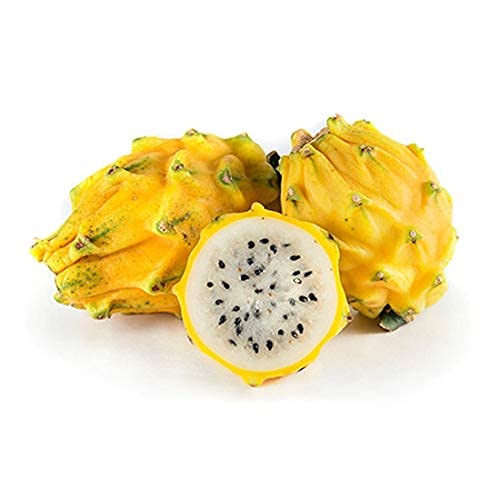
I am growing Selenicereus megalanthus AKA Hylocereus megalanthus which makes yellow dragon fruit.
Most dragon fruit is red but I chose the yellow variety because it is self-fertile.
The main pollinators of these plants are moths and bats and there aren’t any in my house.
In addition, although the flowers are the largest of any flowering cactus (as big as your head)
They come out at night and only last for a day so self-fertile sounds like a good trait to have if you want fruit.
Sometimes this plant is called night-blooming cereus. I am expecting my new plant any day now and will make an unboxing video when it arrives.
Selenicereus megalanthus, synonym Hylocereus megalanthus, is a cactus species in the genus Selenicereus that is native to northern South America, where it is known, along with its fruit, by the name of pitahaya. The species is grown commercially for its yellow fruit, but is also an impressive ornamental climbing vine with perhaps the largest flowers of all cacti.
The yellow fruit has thorns, unlike the red dragon fruits (e.g. S. undatus and S. monacanthus), and is commonly known as “yellow dragon fruit”, “yellow pitahaya”, “kirin fruit”, or “yellow pitaya”. https://en.wikipedia.org/wiki/Selenicereus_megalanthus
In the wild dragon fruit cactus grows like a sprawling climbing plant that climbs up things and uses its aerial roots to help do this.
What Does Dragon Fruit Taste Like And How Is It Eaten?

Dragon fruit has a sweet and slightly tart flavor. It is often described as having a taste that is similar to a combination of kiwi, pear, and watermelon.
Some say it tastes like a strawberry-pear combination. The texture of the flesh is slightly soft and juicy.
Dragon fruit can be eaten in a variety of ways. It is commonly eaten fresh, either on its own or in fruit salads.
The fruit can also be cut into slices or cubes and added to smoothies or yogurt.
Dragon fruit can also be used as a topping for ice cream, cakes, or other desserts.
In some cultures, dragon fruit is used as an ingredient in savory dishes, such as stir-fries or salsas.
It is important to note that the skin of the dragon fruit is not edible and should be removed before eating the fruit.
The fruit can be cut in half and the flesh scooped out with a spoon, or the skin can be peeled off with a paring knife.

How To Grow Dragon Fruit
How To Grow Dragon Fruit From Seed
If you want to buy seeds they are available on Amazon here. If you have a dragon fruit you can use the seeds inside it.
If you are not having any luck finding dragon fruit at your local grocery store try to find a store that specializes in Asian food.
It is very popular in Asia and they will have it.
How Long Does Dragon Fruit Take To Grow From Seed?
You can grow this plant by buying dragon fruit seeds or using the seeds inside a dragon fruit.
But it can take 5 years before you get any fruit production.
If you get a healthy plant you can have fruit in a year or two.
Seeds can be unreliable and you will get your best results by buying a potted plant and transplanting and repotting it.
Indoor Dragon Fruit Care

As I said I am growing yellow dragon fruit because it is self-fertile.
If you’re thinking about growing dragon fruit indoors, here are some tips to make sure you get off to the best start possible:
Containers, Soil, and Watering
1. Plant your dragon fruit cactus in a pot that is deep enough for its root system to spread out. Use a well-draining soil mix that has perlite or pumice added in for extra drainage. Don’t let the soil become too soggy since this can cause root rot.
2. Place your dragon fruit in bright sunlight, near a window preferably facing south or west. You can also use a grow light to supplement the natural sunlight if needed.
3. Water your dragon fruit once per week during the growing season, less when it’s not actively growing in the winter months. Let the top inch or so of soil dry out before watering again.
4. Fertilize your dragon fruit with a balanced 10-10-10 fertilizer every two weeks during its active growth period (spring and summer). Follow the instructions on how much to apply as too much fertilizer can burn the roots and damage new growth.
5. Prune your dragon fruit cactus regularly to encourage healthy new growth and discourage disease or pests from taking hold. Use sharp pruning shears and make clean, angled cuts. Disinfect your shears to prevent spreading bacterial infection because it can be a common problem.
By following these dragon fruit cactus care and growing tips, you’ll be able to successfully grow beautiful dragon fruit indoors. Enjoy your own exotic piece of the tropics.
By following these tips, you can enjoy the beauty of a dragon fruit tree indoors. It may take some time to get established, but the rewards are certainly worth the effort.
Once you have your own dragon fruit tree thriving in your home, you’ll be able to enjoy its vibrant flowers and sweet fruits for years to come.
1. Choose a pot or container that is at least 12 inches wide and 12 inches deep. Use a pot with drainage holes.
2. Fill the pot with a good quality potting mix that drains well making sure to moisten it before planting.
You can use a cactus mix or potting soil mixed with added perlite. I will be using coco coir to grow mine.
3. Place the dragon fruit plant in the center of the pot and fill in all around it with more potting mix
4. Water thoroughly, making sure to wet all of the soil, and then allow the top 2-3 inches to dry out before watering again.
If you’re not sure the best option is to err on the side of caution. It’s better to give it too little water than too much.
Even though it is a cactus it likes moist soil but you don’t want to give it too much water as that can cause root rot.
5. Fertilize once a month during spring and summer using a liquid fertilizer diluted to half strength.
6. Make sure your dragon fruit plant gets plenty of direct sunlight – at least 6-8 hours per day.
Now that you know how to grow dragon fruit indoors, what are you waiting for? Start planting today, and enjoy delicious dragon fruit all year round.
Just remember to give your plants enough water and sunlight, and they will reward you with plenty of tasty fruits come harvest time. Happy growing.

Lighting Requirements for Indoor Dragon Fruit
Dragon fruit, also known as pitaya or pitahaya, is a tropical plant that requires a warm and sunny climate to thrive.
The plant requires a minimum of six hours of direct sunlight per day in order to produce fruit.
In areas with less sunlight, dragon fruit plants may still produce fruit, but the yield may be lower.
Dragon fruit plants can also be grown indoors in a sunny location, such as a south-facing window.
In this case, it is important to provide the plant with enough artificial light to meet its needs.
Dragon fruit plants require a full spectrum of light, including ultraviolet (UV) and infrared (IR) wavelengths.
This can be provided by using a combination of natural sunlight and grow lights.
In addition to providing adequate light, it is also important to ensure that the dragon fruit plant is getting the right amount of water and nutrients.
The plant should be watered regularly, but the soil should not be allowed to become waterlogged.
Fertilizing the plant with a balanced fertilizer can help to ensure that it is getting the nutrients it needs to produce healthy fruit.

Does Day Length Affect Dragon Fruit Flowering?
Yes, day length can affect when dragon fruit flowers and how much fruit it produces indoors. Dragon fruit plants grow best with long periods of bright light, especially when they are actively growing during spring and summer.
Most indoor dragon fruit plants need at least 6–8 hours of direct sunlight daily, but longer periods of bright light often encourage faster growth and better flowering. Many indoor growers use grow lights to extend daylight hours, especially during winter or in darker homes.
Flowering can also be affected by temperature, humidity, plant maturity, and overall plant health. Even with enough light, young or stressed plants may take time before producing flowers and fruit.

Propagating Dragon Fruit
This plant is very easy to propagate. Save your dragon fruit cuttings left after pruning your plant. Since it is a fast grower you should have plenty of prunings.
Here’s how to grow dragon fruit cuttings:
Dragon fruit cacti are becoming an incredibly popular houseplant, and with good reason. They’re easy to care for and make a great conversation piece in any room and they produce tasty fruit.
Growing Outdoors

Dragon fruit plants can be grown outdoors in tropical or subtropical climates. Select a spot that is in full sun and has well-draining soil.
According to the U.S. Department of Agriculture plant hardiness zones, it can be safely grown outdoors in zones 10a through 11.
With protection from freezes, it may be possible to grow them outdoors in USDA zone 9.
This plant can not tolerate frost so most of us will want to grow it indoors but you may be able to grow it outdoors in the summer and move it inside when the weather cools.
Plant your dragon fruit cactus at least 12 inches deep to allow for proper root growth.
Water regularly, but avoid overwatering which can cause root rot. Fertilize while actively growing, using a balanced fertilizer such as 10-10-10.
Prune regularly to remove any dead or diseased branches. With the right conditions and care, you’ll have delicious dragon fruits ready for harvest.
Pruning
Pruning is essential for a healthy dragon fruit tree. Prune to remove any dead or diseased branches and encourage new growth.
Use sharp pruning shears and make clean, angled cuts. Prune in late winter or early spring before the growing season begins.
If your dragon fruit plant gets too large for its pot, you can also repot it into a larger container with fresh soil mix.
The video below shows you how to support dragon fruit plants and how to prune your dragon fruit tree.
Harvesting Dragon Fruit
Dragon fruits are ready to harvest when they turn a deep red color with yellow highlights near the stem end.
Cut off the fruits with sharp scissors, making sure not to damage neighboring branches. Enjoy the sweet-tart flavor of your homegrown dragon fruit.
Dragon fruit bears fruits for five months every year, usually from early summer through mid-fall. It begins flowering in early summer, typically in June, with fruit formation occurring shortly afterward. Dragon fruit flowers are open in the evening and last only one evening. https://homeguides.sfgate.com/long-dragon-fruit-bear-fruit-102059.html
With these tips on how to grow dragon fruit cactus indoors, you’ll be able to enjoy the beauty and flavor of your own dragon fruits.
With proper care and the right climate, these unique plants can produce delicious fruits for years to come.
Dragon fruit, also known as pitahaya, is a tropical fruit that grows on cactus plants. The fruit is typically ready to harvest when it is fully ripe and has a deep, rich color.
In general, dragon fruit will take anywhere from 3 to 6 months to ripen, depending on the variety and growing conditions.
The fruit will start out green and gradually turn pink or red as it ripens. When the fruit is fully ripe, it should be soft to the touch and have a sweet aroma.
To determine if a dragon fruit is ready to harvest, you can gently squeeze the fruit to check for ripeness. If the fruit gives slightly to pressure and feels soft, it is likely ready to be picked.
It’s important to remember that dragon fruit will continue to ripen after it has been picked.

My Yellow Dragon Fruit Plant
Here is my yellow dragon fruit plant. The post office lost my first plant during the Christmas rush but luckily the seller sent a replacement plant.
The weather was really cold and although the plant arrived alive and unfrozen it was definitely set back. I believe the brown at the tip was probably from cold damage.
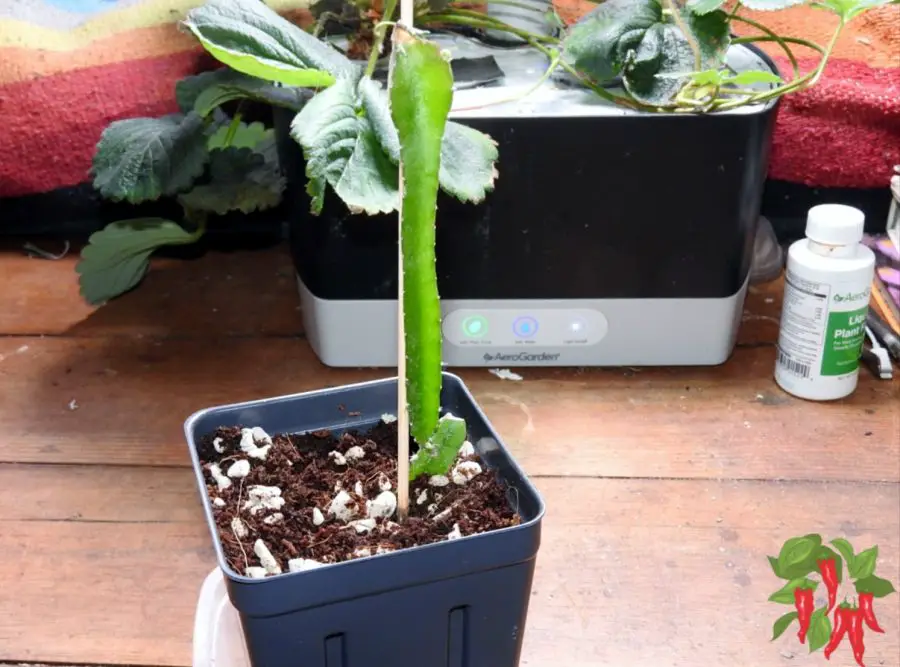
So after about a month, the plant is now showing signs of life. You can see a side bud starting to grow. There is a second bud near the base and it looks like the side buds are waking up too.

This yellow dragon plant still has quite a ways to go before it is healthy and growing but hopefully, it won’t be long now. I will continue to update its growth.
Propagating Yellow Dragon Fruit Cactus

My yellow dragon fruit plant pulled through and I have new growth and it is ready to be propagated. So here’s how I do it.
Yellow Dragon Fruit Update

Here is an update on my yellow dragon fruit. I now have 5 plants rooted from my original one.
They are flopping around and they needed to be tied up. So I bought some wood plant stakes and tied them up.
Here they are all tied up. When they get 2-3 feet tall I will start training them on a trellis to support their sidebranching and fruiting.

Yellow Dragon Fruit Update Video
Common Dragon Fruit Problems Indoors
Why Is My Dragon Fruit Not Growing?
Slow growth is often caused by insufficient light, cool temperatures, or poor drainage. Dragon fruit grows fastest when temperatures remain warm and light levels are high.
Why Is My Dragon Fruit Turning Yellow?
Yellow stems can indicate overwatering, poor drainage, nutrient deficiencies, or cold stress. Check soil moisture and make sure the plant is receiving adequate warmth and sunlight.
Why Isn’t My Dragon Fruit Flowering?
Young plants may take several years to flower. Inadequate light, improper pruning, or poor nutrition can also delay blooming and fruit production.
Why Are My Dragon Fruit Cuttings Rotting?
Cuttings often rot when planted before callusing properly or when the soil remains too wet. Allow cuttings to dry before planting and use a fast-draining growing mix.
Growing Dragon Fruit Indoors FAQs
What is the best soil for growing dragon fruit indoors?
The best soil for growing dragon fruit indoors is a fast-draining mix. A cactus mix works well, or you can use regular potting mix amended with perlite, pumice, coarse sand, or coco coir so the roots do not sit in soggy soil.
How often should I water dragon fruit indoors?
Water dragon fruit indoors when the top 2–3 inches of soil feel dry. Water thoroughly, let excess drain away, and avoid leaving the pot sitting in water because soggy soil can lead to root rot.
How much light does dragon fruit need indoors?
Dragon fruit needs very bright light indoors, ideally 6–8 hours of direct sunlight per day. A sunny south-facing window is best, but a strong grow light can help if your home does not provide enough natural light.
Can dragon fruit grow in a pot indoors?
Yes, dragon fruit can grow in a pot indoors as long as the container is large enough, drains well, and has a sturdy support. A pot at least 12 inches wide and deep is a good starting size for a young plant.
How long does dragon fruit take to fruit indoors?
Dragon fruit grown from seed can take several years to fruit, sometimes around 5 years. Plants grown from cuttings or established nursery plants may fruit much sooner, often in 1–2 years with strong light, warmth, and proper care.
Does dragon fruit need a trellis indoors?
Yes, dragon fruit needs support indoors because it is a climbing cactus. A stake, post, or small trellis helps keep the plant upright and makes pruning, training, and future fruiting easier.
How To Grow Dragon Fruit Indoors: Final Thoughts
Growing dragon fruit indoors takes patience, but it can be a rewarding project for gardeners who enjoy unusual tropical plants. With enough light, a fast-draining growing mix, and a sturdy support system, dragon fruit can adapt surprisingly well to container growing.
For the fastest results, start with a healthy cutting or established plant rather than seeds. Providing strong light and consistent care will help the plant develop the size and maturity needed for flowering and fruit production.
Whether you’re growing dragon fruit for its exotic appearance, massive flowers, or sweet fruit, this climbing cactus can become one of the most interesting plants in your indoor garden.
Additionally, growing dragon fruit indoors allows you to have a constant supply of fresh fruit, as the plant can produce fruit year-round with proper care.
Indoor cultivation also allows for more control over the growing environment, which can lead to higher-quality fruit.
Not sure if growing succulents or cacti is for you? Here are 10 Benefits Of Succulent Plants Indoors.