
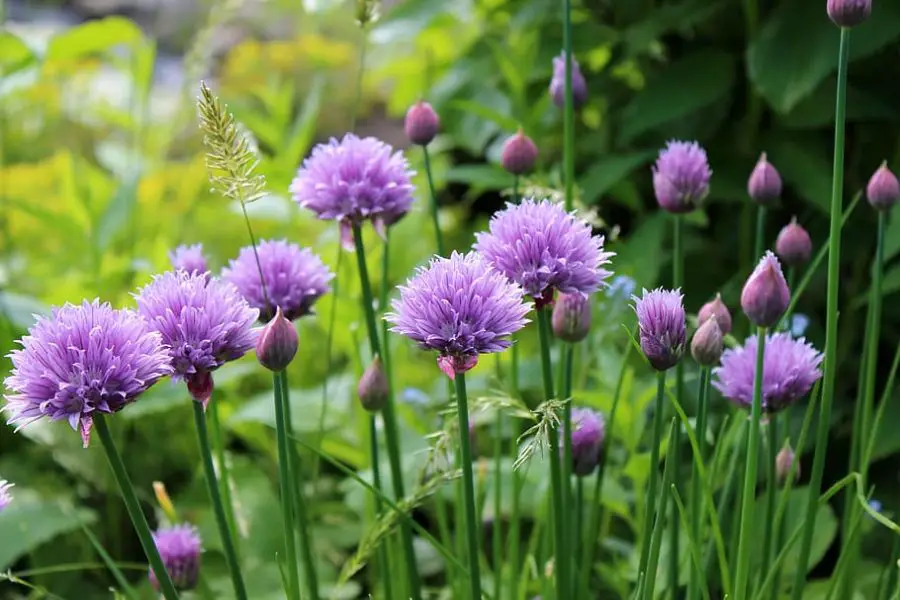
How to grow chives indoors is one of the easiest indoor herb projects for beginners. Chives grow well in small pots, tolerate lower light better than many herbs, and keep producing fresh leaves for months with very little effort.
Indoor chives are one of the few herbs that stay productive without needing perfect conditions.
In this guide, you’ll learn how to grow chives indoors using simple pots, basic lighting, and an easy watering routine that keeps them healthy and ready to harvest year-round.
What You’ll Learn 🌟
- 🌱 How to start chives indoors from seeds or small plants
- 🪴 The best pot size, soil, and placement for indoor chives
- 💡 How much light chives really need (and how they handle low light)
- 💧 A simple watering and feeding routine that prevents rot and droop
- ✂️ How to harvest chives so they keep regrowing again and again
- 🚨 Easy fixes for yellow tips, leggy growth, and slow plants
How to Grow Chives Indoors
- Use a small pot with drainage holes
- Place chives near a bright window or grow light
- Keep soil lightly moist but never soggy
- Harvest regularly to encourage new growth
- Divide crowded clumps every 1–2 years
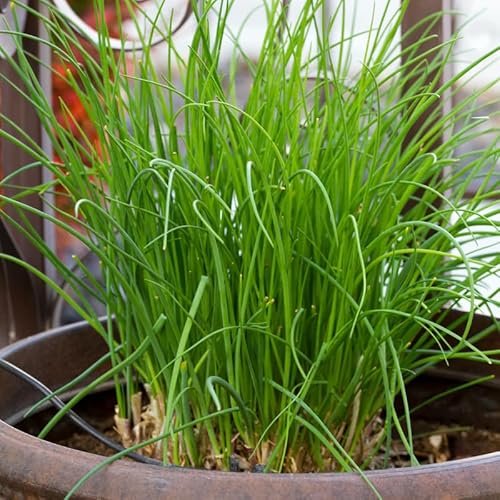
Chives Plant Care Reference Guide
| Characteristic | Details |
|---|---|
| Common Name | Chives |
| Botanical Name | Allium schoenoprasum |
| Native Habitat | Cool temperate regions of Europe and Asia; meadows and grassy areas |
| Plant Type | Perennial herb |
| Growth Pattern | Clump-forming, upright, narrow hollow leaves |
| Mature Size | 8–12 in (20–30 cm) tall, 6–12 in (15–30 cm) wide clumps |
| Watering | Keep soil lightly moist; water when top inch feels dry, avoid soggy conditions |
| Light/Sun Exposure | Bright indirect light to full sun indoors; tolerates medium light with slower growth |
| Soil Type | Well-draining, fertile potting mix; avoid heavy garden soil |
| Soil pH | Slightly acidic to neutral (pH 6.0–7.0) |
| Temperature | Prefers cool to moderate temperatures, about 60–75°F (15–24°C) |
| Humidity | Average household humidity; avoid extremely dry, hot air |
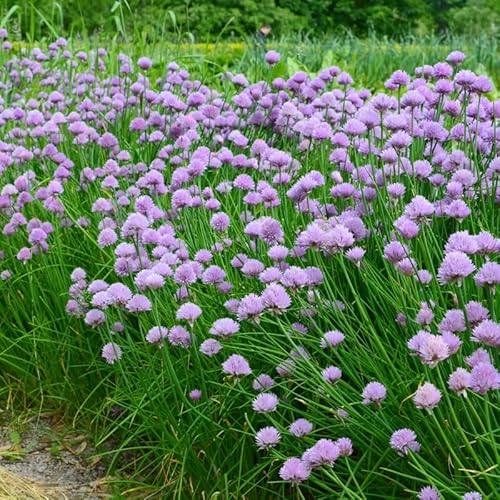
| Bloom Time & Flower Color | Late spring to summer; small round clusters of pink to purple flowers |
| Potential Problems | Yellow tips from over/underwatering or low light; root rot in soggy soil; occasional aphids or fungus gnats indoors |
| Repotting | Every 1–2 years or when clumps become crowded; divide and refresh soil as needed |
| Hardiness Zones (USDA) | Zones 3–9 outdoors; can be grown year-round indoors in any zone |
Why Chives Are Perfect for Indoor Growing 🌿

Out of all the herbs you can grow indoors, chives are easily one of the most forgiving.
They’re hardy perennials, which means they can live for years with decent care, and they tolerate less-than-ideal indoor conditions better than many other herbs.
- 🌥 Low- to medium-light friendly: Chives grow best in bright light, but they’ll tolerate lower light levels better than herbs like basil.
- 🪴 Compact plants: They stay neat and clumping, so they’re perfect for windowsills and small countertops.
- 🔁 Cut-and-come-again harvests: You can snip handfuls of leaves, and they’ll grow back repeatedly.
- 🍳 Endlessly useful in the kitchen: Toss them into eggs, salads, dips, and baked potatoes whenever you want a fresh onion flavor.
If you’re just getting into indoor herb gardening, chives are a gentle, low-stress way to learn the basics of light, watering, and harvesting.
Best Chive Types to Grow Indoors 🌱

Common Chives (Allium schoenoprasum) 🌿
These are the classic, thin, hollow green leaves you probably picture when you think of chives. They have a mild onion flavor, grow in tidy clumps, and are perfect for snipping right over a dish.
- 🌱 Mild onion flavor that works with almost anything
- 🪴 Tidy clumps that fit well into 4–6 inch pots
- 🌸 Pretty purple flowers that are also edible (if you let them bloom)
Garlic Chives (Allium tuberosum) 🧄
Garlic chives look similar but have flat leaves and a mild garlic flavor. They’re great for stir-fries, dumplings, and anything that needs a gentle garlic kick.
- 🧄 Mild garlic flavor instead of onion
- 🌿 Flat leaves instead of round, hollow ones
- 🍽 Great for savory dishes where garlic would normally go
Compact or Dwarf Forms 🪴
If you’re working with tiny spaces, look for compact or dwarf varieties of chives when available. They stay smaller, which makes them easier to manage on narrow sills or crowded plant shelves.
Cultivars like ‘Miro’ are specifically bred for finer tubes and smaller growth (8-12 inches tall).
- 🏙 Ideal for small apartments and narrow window ledges
- 🧺 Easy to group with other herbs in one tray or planter
Light Requirements for Indoor Chives 💡
Light is usually the biggest challenge for indoor herbs. The good news is that chives are more forgiving than many others—but you’ll still get the best results if you give them as much light as you reasonably can.
Can Chives Grow in Low Light? 🌥
Yes, chives tolerate lower light better than many indoor herbs. They grow best in bright light, but they can still survive in east- or west-facing windows with slower growth.
- Bright light = faster growth
- Low light = thinner, slower leaves
- Grow lights improve harvests significantly
Chives can handle lower light levels better than a lot of herbs. They’ll usually do fine in shadier spots but grow more slowly and may get a bit floppy.
- ⚖️ Expect slower growth in dimmer light
- 🌾 Leaves may become thinner or lean toward the light source
- 🔁 Regular harvesting may need to be lighter and less frequent
Best Indoor Light Setup for Chives 🔆
For strong, upright growth and steady harvests, aim for:
- 🌞 South-facing window: Often the best spot for herbs if it’s not too drafty or hot.
- 🌅 East- or west-facing window: Also good, especially if they get several hours of direct sun.
- 💡 Simple LED or fluorescent grow light: 10–12 hours per day placed just a few inches above your plants will make a big difference.
Watch your plants: if they’re leaning dramatically toward the light or growing very thin, leggy leaves, that’s your sign to either move them closer to a window or add supplemental light.
Choosing Pots and Soil for Indoor Chives 🪴

Pot Size and Drainage 🕳
Chives don’t need huge containers, but they do appreciate some depth for their roots and good drainage so they never sit in soggy soil.
- 🪴 Pot size: A 4–6 inch pot works well for a small clump of chives.
- 🕳 Drainage holes: Non-negotiable. Always choose containers with drainage holes at the bottom.
- 🧺 Saucer or tray: Catch extra water, but don’t let the pot sit in standing water for long.
Best Soil Mix for Indoor Chives 🧪
Skip heavy garden soil. Indoors, chives do best in a light, well-draining potting mix.
- 🌱 Use a high-quality potting mix labeled for houseplants or containers.
- 💧 Look for mixes that hold moisture but still feel airy and crumbly.
- ♻️ You can mix in a bit of perlite or coarse sand if your mix feels too heavy.
Over time, potting mixes break down and compact, so plan to refresh or repot your chives every year or so to keep roots happy and growth strong.
How to Start Chives Indoors From Seed 🌱
Step-by-Step Seed Starting 🧑🌾
Starting chives from seed is simple and budget-friendly. Here’s an easy method you can follow in your kitchen:
- 🪴 Fill your pot: Add moist potting mix to your container, leaving about an inch of space at the top.
- 🌱 Sow the seeds: Sprinkle seeds evenly over the surface in a small cluster or circle. Chives like to grow in clumps.
- 🧹 Cover lightly: Gently press the seeds into the soil and cover with a very thin layer of mix (about 1/4 inch).
- 💧 Water gently: Mist or water carefully so you don’t wash the seeds away.
- 🔆 Provide light: Place the pot in a bright window or under a grow light.
- ⏳ Wait for sprouting: Seedlings usually appear in 7–14 days if kept moist and warm.
Keep the soil lightly moist while seeds are germinating. Once seedlings are a couple inches tall, thin a few if they’re extremely crowded, but don’t worry—chives like to grow in tight clumps.
Starting From Store-Bought Plants or Garden Divisions 🛒
If you’re impatient (no judgment!), you can shortcut the process by starting with a small potted chive plant or dividing a clump from your outdoor garden.
- 🛒 Buy a healthy plant with bright green leaves and no signs of pests.
- ✂️ If dividing an outdoor clump, dig up a small section with some roots attached.
- 🪴 Pot the division or store-bought plant into fresh, well-draining mix and a container with drainage holes.
- 💧 Water gently after transplanting and keep in bright, indirect light for a few days while it adjusts.
Watering Indoor Chives the Right Way 💧
Most indoor herb problems start with watering—either too much or too little. Chives like soil that stays lightly moist but never soggy.
How Often to Water 🌦
Rather than following a strict schedule, use the soil as your guide:
- 👉 Check the top inch of soil with your finger; if it feels dry, it’s time to water.
- 💧 Water until it just begins to drain from the bottom, then empty the saucer.
- ⏱ In warm, bright conditions you may water every few days; in cooler, low-light spots, it may be once a week or less.
Signs of Overwatering vs Underwatering ⚖️
- 🚫 Overwatering: Constantly wet soil, yellowing leaves, mushy stems, and a musty smell.
- 🥀 Underwatering: Limp, droopy blades and dry, pulling-away-from-the-potting-mix soil.
If you realize you’ve overwatered, let the soil dry out more before watering again. In severe cases with soggy soil, you may need to repot into fresh, dry mix.
Feeding and Ongoing Care for Indoor Chives 🌿
Fertilizer Basics 🧴
Chives aren’t heavy feeders, especially indoors. Too much fertilizer can actually make them soft and weak.
- 🌱 Use a balanced, water-soluble fertilizer at half strength.
- 🗓 Feed every 3–4 weeks during active growth (spring and summer).
- 😴 In very low-light winter conditions, you can skip feeding or reduce frequency.
Thinning and Dividing 🪓
Over time, your chive clump will thicken. That’s great, but eventually it can become crowded and less productive.
- ✂️ Trim out older, tough leaves at the base to keep the new growth tender.
- 🧑🌾 Every year or so, gently divide thick clumps into two pots to refresh growth.
How to Harvest Chives for Continuous Growth ✂️
Best Harvest Technique 🥗
The way you harvest makes a big difference in how quickly chives bounce back.
- ✂️ Use clean scissors or snips.
- 📏 Cut leaves about 1–2 inches above the soil line.
- 🔁 Harvest from different parts of the clump rather than the same spot every time.
Chives typically regrow within a week or two in good light. Once established, you can often harvest small handfuls every 7–10 days.
How Often Can You Harvest? 🗓
If your plant is growing well, regular harvesting actually encourages fresh, tender growth. Just avoid cutting the entire plant down to the soil all at once. Always leave some green so the plant can keep producing energy.
Storing Extra Chives ❄️
- ❄️ Refrigerator: Wrap fresh chives lightly in a damp paper towel and place them in a plastic bag or container.
- 🧊 Freezing: Chop and freeze in small containers or ice cube trays with a bit of water or oil.
- 🌬 Drying: Possible, but they lose some flavor—freezing usually tastes better.
Common Indoor Chive Problems and Fixes 🚨
Yellowing Tips or Leaves
Yellow tips can look alarming, but they’re usually fixable:
- 💧 Check watering—both constantly soggy and extremely dry soil can cause yellowing.
- 💡 Make sure your plant is getting enough light.
- 🧴 If it’s been a long time since feeding, a light fertilizer dose may help.
Leggy, Floppy Growth
If the leaves are thin and leaning hard toward the window, the plant needs more light.
- 🔁 Rotate the pot regularly so all sides get some light.
- 💡 Move the plant closer to a bright window or add a small grow light.
Slow or Stunted Growth
Slow growth can come from low light, depleted soil, or crowded roots.
- 🔍 Check that your plant is getting enough light hours each day.
- 🪴 Consider repotting into fresh mix if the soil looks compacted or tired.
- 🧴 Feed lightly during active growth seasons.
Pests and Fungus Gnats 🪰
Indoor chives are usually pretty pest-resistant, but fungus gnats can show up if the soil stays too wet.
- 💧 Let the top inch of soil dry before watering again.
- 🪵 Bottom-water occasionally instead of soaking the surface.
- 🪤 Sticky traps can help catch adult gnats while you adjust watering.
Good Companion Herbs to Grow Indoors With Chives 🌿
If you’ve got room for more than one pot, chives play nicely with many other indoor herbs. Just try to group plants with similar light and watering needs.
- 🌿 Parsley: Another reliable indoor herb that likes similar conditions.
- 🌱 Thyme and oregano: Prefer bright light but share similar watering habits.
- 🌾 Dill and cilantro: Can work, though they may be a bit fussier with light and temperature.
Either pot each herb separately or use a wider container, making sure drainage is good and no one gets overshadowed.
More Indoor Herb Guides
Indoor Chives FAQ
How long do chives live indoors?
With decent light, well-draining soil, and occasional dividing, indoor chive plants can live for several years. They are hardy perennials that keep coming back when properly cared for.
How often should I water indoor chives?
Water when the top inch of soil feels dry to the touch. Chives like lightly moist soil, but you should avoid keeping the pot constantly wet or letting it sit in standing water.
Do chives need full sun to grow inside?
Chives grow best with bright light, such as a sunny window or a small grow light. They tolerate lower light better than many herbs but will grow more slowly and may become spindly if light is too weak.
Can you grow chives indoors year-round?
Yes, you can grow chives indoors all year as long as they receive enough light and you keep them in a reasonably warm room. Growth may slow in winter, but the plants can still survive and bounce back as days lengthen.
Why are my chives turning yellow?
Yellow chives are usually a sign of stress from overwatering, underwatering, low light, or depleted soil. Check your watering habits, light levels, and consider a light feeding or repotting if the soil looks exhausted.
Can I regrow chives from grocery-store bunches?
If the grocery-store bunch still has roots attached, you can sometimes regrow them. Trim the tops for cooking, place the rooted ends in water until new growth appears, and then pot them up in soil for longer-term growth.
References & Further Reading 📚
- University of Minnesota Extension – Growing chives in home gardens
- University of Illinois Extension – Chives
- Penn State Extension – Growing herbs indoors
Conclusion 🌿
Chives are one of those herbs that make indoor gardening feel easy. They don’t demand a ton of space, they forgive the occasional missed watering, and they reward you with quick, flavorful regrowth after every harvest.
Give them a small pot, a bright spot, and a simple watering routine, and you’ll have fresh green sprinkles ready for your meals all year long.
If you’re just getting started with indoor gardening, let chives be your low-stress, high-reward herb. Once you’ve got them thriving, it’s easy to branch out into a full indoor herb collection.