
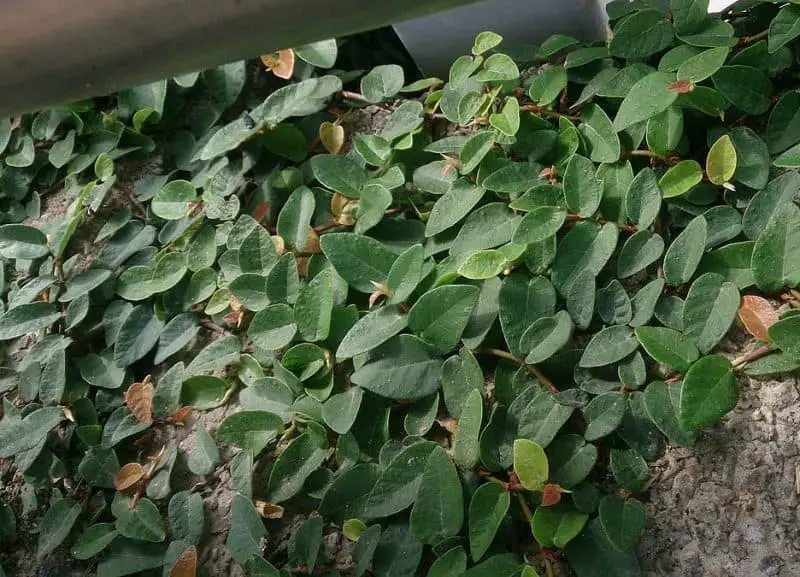
Learning how to care for creeping fig indoors is easier once you understand how this fast-growing vine responds to light, moisture, and humidity.
Creeping Fig (Ficus pumila) is commonly grown as a trailing plant, climbing vine, or terrarium plant because of its small leaves and dense growth habit.
This guide covers lighting, watering, humidity, soil, pruning, propagation, and common indoor growing problems.
What You’ll Learn
- ☀️ The best lighting conditions for Creeping Fig indoors
- 💧 How to avoid overwatering and root rot
- 🌿 Why humidity matters for healthy growth
- ✂️ How to prune and control fast-growing vines
- 🌱 How to propagate Creeping Fig cuttings
Caring For Creeping Fig


Ficus pumila ‘Variegata’, Variegated Creeping Fig
Creeping Fig can be used as a ground cover or trailing plant and is often grown in hanging baskets.
Creeping fig requires very little care, but there are a few things you should know in order to keep it healthy and looking its best.

It can be trimmed with shears or pruning scissors, and you can also remove any dead leaves or stems as needed.
Be sure to sterilize your tools before each use, and always make cuts at a 45-degree angle so that the plant can heal quickly.
Creeping Fig Care Indoors: The Details
If you’re thinking of adding a creeping fig (Ficus pumila) to your indoor jungle, you’ll be happy to know that these fast-growing vines are relatively easy to care for.
So here is how to care for and get the most out of your creeping fig plant indoors.
Creeping Fig Light Requirements Indoors
Creeping Fig grows best in bright indirect light but can also tolerate lower indoor light levels.
Plants grown in stronger light usually stay denser and more compact while lower light can cause leggier growth.
However, if you want your plant to maintain its compact growth habit (rather than becoming leggy), it’s best to give it a few hours of direct sunlight each day.
Creeping Fig Watering
The soil should be moist but not soggy, and the plant should be watered regularly.
Overwatering can cause root rot so wait until the top inch of soil is dry before watering again.
During the winter months, the watering schedule can be reduced.
Avoid Constantly Wet Soil
Creeping Fig likes moisture but does not tolerate soggy soil for long periods.
Allowing the top layer of soil to dry slightly between waterings helps reduce the risk of root rot indoors.
Creeping Fig Humidity And Temperature
Creeping Fig grows best indoors with moderate humidity and warm temperatures.
Creeping fig is a tropical plant so it naturally prefers a warm, moist environment.
Indoor temperatures should be kept between 65 and 85 degrees Fahrenheit and not go below 55 degrees Fahrenheit.
You want to have at least 40% humidity for this plant. If the air in your home is particularly dry, you may need to mist the leaves regularly to prevent them from drying out.
Soil
Creeping Fig grows best in well-draining soil that holds moisture without staying constantly wet.
When it comes to growing creeping fig indoors, there are a few things you need to know about choosing the right type of soil.
First, you’ll want to make sure that the soil you select is well-draining.
Creeping figs are susceptible to root rot, so it’s essential to choose a well-draining soil that will help keep their roots healthy and dry.
Another important consideration is the pH level of the soil. Creeping figs prefer slightly acidic soils with a pH between 6.0 and 6.5.
You can use any home potting mix provided it is not too heavy. Coco coir is a much better choice though.
It holds moisture well but is fast draining allowing good oxygenation. It also is already at the right pH for creeping fig.
Creeping Fig Propagation
Creeping fig is easy to propagate from stem cuttings however the sap can cause skin irritation so it’s best to wear gloves for this.
To propagate creeping fig, start by taking a stem cutting that is about 6 inches long.
Next, remove the leaves from the bottom half of the stem, and dip the cut end into rooting hormone.
Then, place the stem in a pot of moistened potting mix. You can cover it with plastic to create a humid environment.
Keep the pot in a warm location out of direct sunlight, and wait for the cutting to root. This usually will take about 3 weeks.
Once roots have formed and new growth appears, you can transplant the cutting into its permanent location.
Pruning Creeping Fig
Pruning a creeping fig vine is a simple matter of cutting back the stems that are growing too long or out of place.
To avoid damaging the plant, always use clean, sharp pruning shears. Start by trimming off any dead or damaged leaves and stems.
Then, cut back the longest stems to the desired length. Finally, shape the plant by pruning away any stray stems that are growing in the wrong direction.
Potting and Repotting Creeping Fig
As its name suggests, the creeping fig is a vigorous grower and will quickly fill in its pot.
However, this also means that it will need to be repotted frequently to prevent it from becoming pot-bound.
You want to use a pot just one size up from the one it is in as too large a pot can take too long to dry out after watering.
When repotting, use a well-draining potting mix and take care not to damage the roots.
Place some soil in the bottom of the pot first. Then place your root ball in the pot and fill in the sides of the pot with more soil.
Once your plant is in its new pot, water it thoroughly and place it in a location with bright, indirect light.
Fertilizing Creeping Fig
Although Creeping Fig is a low-maintenance plant, it benefits from fertilizer during the growing season.
The best time to fertilize is in early spring before new growth begins. You can use a balanced fertilizer or one that is higher in nitrogen.
Be sure to follow the manufacturer’s instructions, as too much fertilizer can burn the roots.
Apply a water-soluble fertilizer around the drip line of the plant, taking care to avoid getting any on the foliage.
Water and feed once a month during the growing season and you can skip fertilizing during the rest of the season.
I prefer to water and fertilize at the same time. So you can either add liquid plant food or dissolve a powdered fertilizer in the water.
Water deeply after applying, to help the roots absorb the nutrients.
Creeping Fig Is Toxic
One of the most common questions is whether or not the creeping fig (Ficus pumila) is poisonous.
The short answer is yes, the plant is toxic if ingested. The creeping fig contains ficin a substance that can cause skin irritation which is why we suggested wearing gloves during pruning.
Fortunately, the plant is not particularly appealing to children and animals, so incidents of ingestion are relatively rare.
However, it is still important to be aware of the potential hazards posed by this common houseplant.
Creeping Fig FAQs
How much light does Creeping Fig need indoors?
Creeping Fig grows best in bright indirect light but can also tolerate lower indoor light levels.
How often should I water Creeping Fig?
Water when the top inch of soil starts to dry out. Avoid letting the soil stay constantly soggy.
Does Creeping Fig need humidity?
Yes. Creeping Fig prefers moderate humidity and warm indoor temperatures for healthy growth.
Can Creeping Fig grow in low light?
Yes, but lower light usually causes slower growth and leggier vines.
How do you propagate Creeping Fig?
Creeping Fig is commonly propagated from stem cuttings rooted in moist potting mix.
Is Creeping Fig toxic?
Yes. Creeping Fig sap can irritate skin and the plant is considered toxic if ingested.
How To Care For Creeping Fig Final Thoughts
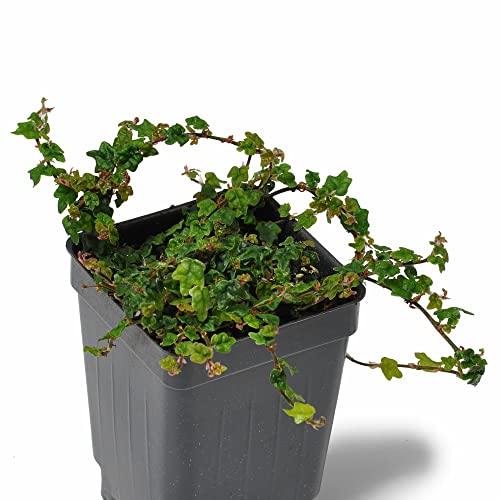
How To Care For Creeping Fig indoors becomes much easier once you understand how this fast-growing vine responds to light, watering, and humidity.
Creeping Fig (Ficus pumila) is commonly grown as a trailing plant, climbing vine, or terrarium plant because of its dense growth habit and small leaves.
This guide covers lighting, watering, humidity, soil, pruning, propagation, and common indoor growing problems to help keep your Creeping Fig healthy indoors.
Small Space Gardening for Apartments Made Easy
Indoor Houseplants Guide: Best Plants for Every Room
Want to transform your indoor space into a lush, thriving haven? These guides will help you master houseplant care with ease.
🌿 Indoor Houseplant Care Guides
- ♻️ Composting Indoors
- 🌳 Rubber Plant Care Indoors
- 🌸 Peace Lily Care Indoors
- 🧀 Swiss Cheese Plant Care
- 🎋 Indoor Bamboo Guide
- 🌱 Vertical Gardening Indoors
- 🌺 Bromeliad Care
- 🥢 Bamboo Plant Indoor Care
- ❤️ Anthurium Care Indoors
- 🌵 How to Grow Succulent Plants
- 🌿 Maidenhair Fern Indoor Care
- See all articles in our Houseplants category