
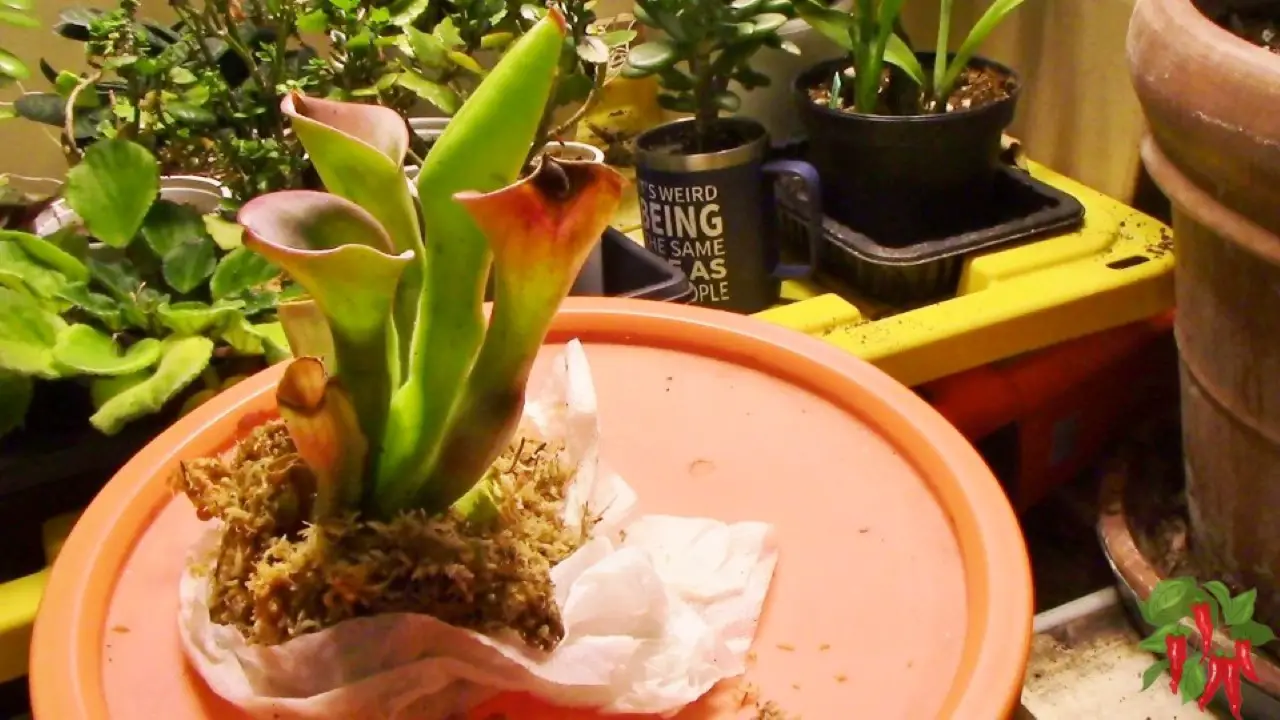
The Chimantá form is especially interesting because locality matters with plants like this—it tells you something real about where the plant comes from, how it grows in habitat, and what kind of conditions it is most likely to prefer once you bring it into a terrarium or indoor grow setup.
In this Heliamphora exappendiculata care guide, I’m focusing on the Chimantá Tim W. clone, what that name means, and what actually helps this species settle in and grow well indoors.
Heliamphora exappendiculata (Chimantá – Tim W. clone) is a rare highland Heliamphora known for its tall, narrow pitchers and distinctive embedded lid. It grows best with cool nights, bright diffuse light, high humidity, and constantly moist, well-drained media, developing strong red coloration under high light.
What You’ll Learn
- What makes Heliamphora exappendiculata different from other Heliamphora
- Why the Chimantá locality matters
- What the Tim W. clone name actually means
- The light, temperature, humidity, and water this species prefers
- How to grow Heliamphora exappendiculata indoors
- Common problems that can slow it down or damage the plant
What Is Heliamphora exappendiculata?
Heliamphora exappendiculata is one of the most distinctive species in the genus. Even if you have grown other sun pitchers before, this one stands out right away because the pitchers look more refined, more vertical, and a little more unusual than the typical Heliamphora shape.
One of the first things growers notice is the reduced lid. Instead of the more obvious nectar spoon or lid shape seen on other species, Heliamphora exappendiculata has a small embedded structure that gives the plant a very clean, almost minimal look. That feature is one of the easiest ways to recognize it.
This is also a species that can become a real showpiece indoors. It tends to produce upright pitchers, strong red coloration under good light, and a tall growth habit that works especially well in terrariums, wicking beds, and other enclosed or semi-enclosed highland setups.
Why This Species Gets So Much Attention
Some Heliamphora are interesting mostly to collectors, while others are both collector plants and strong visual plants. Heliamphora exappendiculata is one of the few that does both really well.
It looks different enough to catch attention immediately, but it also has the kind of growth habit that makes it rewarding to photograph and follow over time.
It also comes from a very specific and dramatic habitat. This species is associated with the tepuis of Venezuela, including Chimantá and Aprada, where conditions are wet, bright, humid, and often cooler than many indoor growers expect.
That habitat background matters because it explains why this plant usually responds best to strong light, pure water, constant moisture, and nighttime cooling.
If you are moving deeper into Heliamphora or shifting from more common carnivorous plants into true highland species, this is one of those plants that feels special without being impossible.
It still demands the right setup, but when the conditions are close, it can become one of the most striking plants in the whole collection.
Why Chimantá Matters More Than the Clone Name
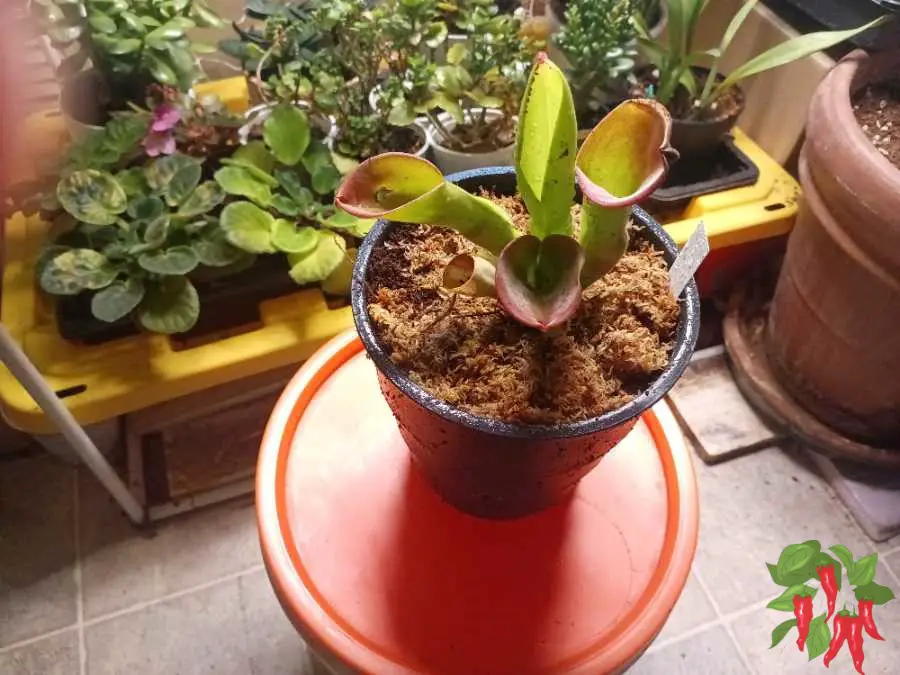
When you see a plant labeled Heliamphora exappendiculata Chimantá Tim W., the most important part of that name for most growers is actually Chimantá. That locality tells you where the plant line is tied back to, and that usually matters more than the collector tag.
Locality matters because it gives you real context. It helps explain the kind of environment the plant evolved in, the type of growth you might expect, and why some clones from one mountain or tepui can look or behave differently from plants tied to another location.
For serious collectors that can be a big deal, but even for regular indoor growers it is useful because it helps connect the plant to real habitat instead of treating it like just another label.
So while the Tim W. part is still helpful, Chimantá should take precedence in how you think about the plant. It is the locality that carries the strongest horticultural and collector meaning, and it is also the part more people are likely to care about when they search for the species.
What Does Tim W. Mean?
The Tim W. part is best understood as a clone provenance tag. It is not a botanical variety, not a formal taxonomic rank, and not something that changes the scientific identity of the plant. It is simply a way of tracking a particular cultivated line.
Carnivorous plant growers use tags like this all the time. You see clone and source identifiers attached to Heliamphora, Nepenthes, and other collector plants because they help distinguish one distributed line from another.
In practical terms, that usually means the plant traces back to a known grower, collector, or source line and is expected to show fairly consistent traits if it is truly clonal material rather than seed-grown variation.
For most readers, the takeaway is simple: the Tim W. clone label helps identify the cultivated line, but it is still the Chimantá locality and the species name that matter most for understanding what the plant is and how it wants to grow.
Natural Habitat and What It Tells You
One of the easiest ways to understand Heliamphora exappendiculata care is to look at what the habitat is telling you.
This is not a warm windowsill bog plant.
It comes from high, wet, exposed landscapes where moisture is constant, the light is bright, the air is moving, and the nights cool down.
Plants from that kind of habitat are adapted to conditions that look contradictory at first.
They like to stay wet, but they also need air around the roots. They like high humidity, but they do not want stale air.
They like bright light, but not a blast of trapped heat through hot glass.
Once you understand that balance, a lot of Heliamphora care starts making more sense.
That is also why this species often does well in carefully built indoor setups.
A terrarium, cabinet, or wicking bed can recreate those conditions better than a random windowsill can, especially if you are already growing highland carnivorous plants and can provide strong grow lights, clean water, and at least some cooling at night.
Heliamphora exappendiculata Care Indoors
Heliamphora exappendiculata care indoors comes down to getting a few important things right at the same time.
This species is not usually lost because of one dramatic mistake. More often, it struggles because the setup is close but not quite balanced enough in light, airflow, temperature, or water quality.
When the environment is right, this plant can adapt surprisingly well.
It may take a little time to settle in after shipping, especially if it arrives from a greenhouse and has to adjust to a different light source and humidity pattern, but once it starts growing into the new conditions you can usually tell pretty quickly whether the setup is moving in the right direction.
Temperature Requirements
This is a true highland species, and that matters. Warm days are usually acceptable as long as they are not extreme, but cooler nights are where a lot of the long-term success comes from.
A good target is daytime temperatures somewhere around 70 to 78 degrees Fahrenheit, with nights dropping into the upper 50s or low 60s if you can manage it.
The exact number does not have to be perfect every single night, but the plant generally does better when there is a real day-to-night temperature change instead of a constantly warm environment.
If nights stay too warm for too long, you may notice slower growth, weaker color, or less satisfying pitcher development.
On the other hand, when the plant gets bright light and a decent night drop, it tends to look firmer, color up better, and grow with more confidence.
Lighting Requirements
Heliamphora exappendiculata usually appreciates stronger light than many newer growers expect.
Indoors, that means this is often a better candidate for a proper LED grow setup than a basic room-light situation near a window.
A photoperiod of around 12 to 14 hours under strong artificial lighting works well for many indoor growers.
Bright light helps encourage better pitcher shape, stronger red tones in the upper parts of the pitchers, and a more upright, compact look overall.
If the light is too weak, the plant may stay greener than expected, the pitchers may look softer or less defined, and growth can become less impressive over time.
If the light is strong but heat is controlled, this species often responds very well. That is one reason it fits so nicely into serious indoor carnivorous plant setups.
Humidity and Airflow
This is where many people either overdo it or underdo it. The plant likes high humidity, but that does not mean sealing it into a stagnant, airless box is a good idea.
A humidity range of roughly 80 percent and up is a comfortable goal, especially while the plant is settling in or producing fresh pitchers.
But humidity has to be paired with gentle airflow. That moving air helps reduce rot risk, keeps the crown healthier, and creates a more stable environment overall.
If you have ever had a Heliamphora look great for a while and then start getting soft, blackened, or unhappy around the base, stale air is often part of the story.
High humidity and fresh airflow are not opposites here. They need to work together.
Water Quality Matters More Than Most People Think
Like other carnivorous plants from nutrient-poor environments, Heliamphora exappendiculata is sensitive to mineral buildup.
That means water quality is not a small detail. It is one of the central parts of keeping the plant healthy long term.
RO water, distilled water, or clean rainwater are the safest options. Tap water can cause problems over time because even if the plant seems fine at first, dissolved minerals accumulate in the media and eventually work against the roots.
Letting water sit out overnight does not solve that problem because it does not remove the dissolved minerals, and chloramine does not simply evaporate off the way people used to assume chlorine would.
For a plant like this, pure water is not being overly cautious. It is just the right approach.
Best Potting Media
Heliamphora exappendiculata needs a media that stays consistently moist while still allowing air around the roots.
In habitat, this species grows on wet, exposed surfaces with constant moisture and moving water, not dense, compact soil.
A lot of traditional mixes are built around long-fiber sphagnum with added perlite, pumice, or bark to keep things open. That approach works well and is what you’ll see recommended most often.
That said, I’ve had very good results using straight coco coir in both pots and wicking bed setups.
Coco holds moisture evenly, allows air flow to the roots, doesn’t compact as easily as peat, and works especially well when you’re already managing water levels from below.
The key is not just the media itself—it’s how the system works as a whole. In a wicking setup, coco can stay evenly moist without becoming stagnant, as long as the water level is controlled and the root zone still gets access to oxygen.
If you go this route, make sure you’re using clean, well-rinsed coco and pairing it with pure water.
Also keep an eye on airflow and avoid letting the pot sit in deep, stagnant water for long periods.
When everything is balanced, this simpler approach can work just as well as more complex mixes.
Watering Strategy
This species likes to stay moist, but that should not be confused with being buried in constantly stagnant water. Keeping the media evenly moist and occasionally top-watering to flush the pot often works well.
Top-watering can be especially useful because it helps wash away accumulating residues and keeps the media fresher. If you are using a wicking setup, that can still work beautifully as long as the pot is not waterlogged and there is some balance between moisture and aeration.
Think of the goal as wet, airy, and flushed rather than wet, compact, and stagnant.
Feeding Heliamphora exappendiculata
This is not a plant that needs aggressive feeding. Light feeding is usually enough, and overdoing it can create more problems than benefits.
Small amounts of crushed freeze-dried bloodworms are a common and generally safe option. Some growers also use a very dilute foliar fertilizer carefully and sparingly, but restraint matters. A little goes a long way with Heliamphora.
Large insects, packed pitchers, or heavy fertilizer use are all things I would avoid. This species is much more likely to reward consistency and moderation than force-feeding.
Growth Rate and Size Expectations
A newly arrived plant may not look dramatic right away, especially after shipping stress, but once established, Heliamphora exappendiculata can become a very elegant vertical grower.
Smaller plants may arrive with pitchers only a few inches tall, while more mature plants eventually push much higher if the setup gives them enough space.
This is one reason the species works so well as a feature plant in a terrarium or cabinet. It tends to grow upward more than outward, so it can create that tall, architectural look without needing a huge footprint at the base.
The better the light, cooling, and root conditions, the better the plant tends to express the shape and color people usually hope for when they buy it.
Why This Species Fits a Terrarium or Wicking Bed So Well
If you are already leaning toward highland carnivorous plants indoors, this species makes a lot of sense.
A terrarium or cabinet gives you more control over humidity, lighting, and visual presentation, while a wicking bed can help keep the root zone consistently moist without the constant guesswork of hand watering every day.
It is also just a very photogenic plant. The upright form, the cleaner pitcher lines, and the strong coloration under good light make it a natural fit for indoor display and for documenting growth over time.
That does not mean it is effortless, but it does mean the kind of setup many indoor carnivorous plant growers are already building tends to suit it very well.
Common Problems and How to Fix Them
Pitchers Stay Mostly Green
If the plant is healthy but not coloring up the way you expected, the first things to look at are light intensity and nighttime temperatures. This species usually develops better upper pitcher color when it gets strong light along with a real night drop.
Pitchers Look Soft or Weak
Soft growth often points to weak light, overly warm conditions, or a setup that is too wet and stagnant. Stronger light and better airflow usually help more than just increasing humidity further.
Growth Is Slow
Slow growth can happen after shipping, but if it continues for a long time, check the basics. Warm nights, mineral-heavy water, stale air, and compact media can all hold this species back. Heliamphora often improve once those background issues are corrected.
Base Blackening or Rot
This is usually a warning sign that the crown or lower plant is staying too stagnant. Increasing airflow, reviewing the moisture level, and making sure the media is not sour or suffocating are usually the first steps to take.
How to Grow Heliamphora exappendiculata Step by Step
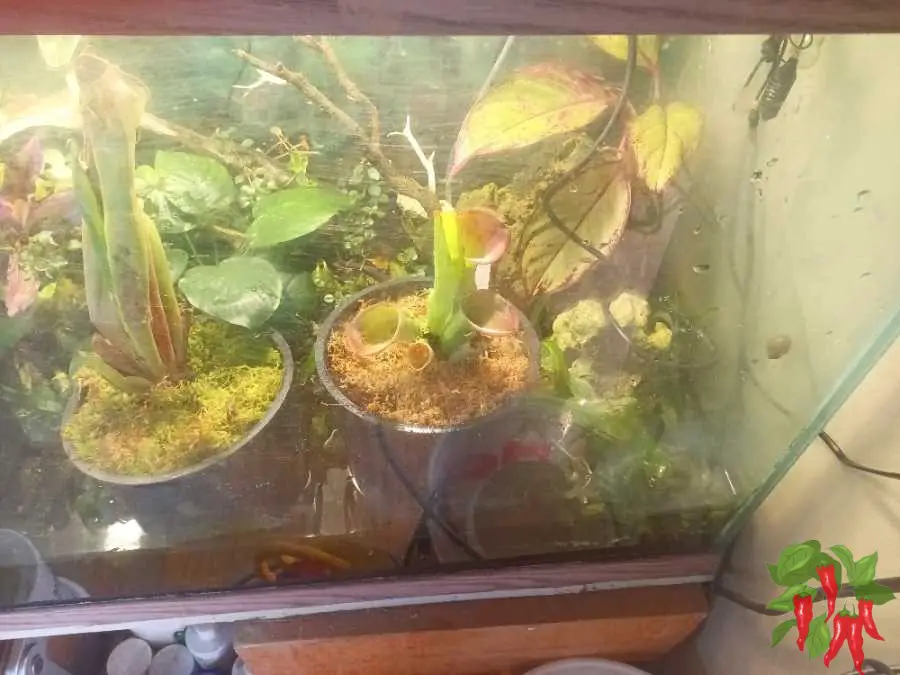
Step 1: Give it strong light
Use a bright grow light setup and run it long enough each day to encourage upright growth and good color. This species usually responds much better to strong indoor lighting than to weak window light alone.
Step 2: Keep humidity high with airflow
Aim for a humid environment, but do not let the air go stale. Gentle airflow is one of the keys to keeping Heliamphora healthy over time.
Step 3: Use pure water only
RO, distilled, or rainwater are the safest choices. Avoid relying on tap water for long-term care.
Step 4: Keep the media moist but airy
Use a loose mix built around sphagnum with added aeration. The roots should stay moist, but they should not sit in compact, stagnant media.
Step 5: Encourage cooler nights
A night drop helps this species look and grow more like it should. It is one of the biggest differences between a plant that survives and a plant that actually thrives.
Step 6: Feed lightly
Use tiny amounts of appropriate food or fertilizer and resist the urge to overdo it. Heliamphora usually reward patience more than heavy feeding.
Final Thoughts
Heliamphora exappendiculata is one of the most distinctive and rewarding Heliamphora species you can grow indoors.
The tall pitchers, embedded lid, and strong highland character give it a look that is immediately different from many other species in the genus.
For me, the Chimantá connection is the part that really matters most, because locality says something real about the plant. The Tim W. clone tag is still useful, but it works best as supporting provenance rather than the main focus.
Once you understand that, the care side becomes easier to frame: bright light, pure water, high humidity, moving air, and cooler nights.
If your setup already leans toward terrariums, cabinets, or indoor highland carnivorous plants, this species makes a lot of sense.
It is the kind of plant that can start as an interesting addition and end up becoming one of the first things people notice.
If you are building a broader indoor carnivorous plant setup, you may also want to read Nepenthes Terrarium Setup: What Actually Works Indoors and Why Your Nepenthes Aren’t Pitchering.
Further Reading:
International Carnivorous Plant Society-Heliamphora exappendiculata
FAQ
Is Heliamphora exappendiculata hard to grow?
It is moderately challenging, but it is much more manageable when you can provide strong light, pure water, high humidity, airflow, and cooler nights. It is not the easiest carnivorous plant for beginners, but it is also not impossible indoors if the setup matches the plant.
What does Tim W. mean in Heliamphora exappendiculata Chimantá Tim W.?
Tim W. is a clone or provenance tag used to identify a particular cultivated line. It is not a formal botanical category. The label helps growers track source lineage, while Chimantá remains the more important locality reference.
Why is the Chimantá locality important?
Chimantá identifies the locality tied to that plant line, which gives growers more useful context about habitat, growth expectations, and collector significance. In most cases, the locality is more meaningful than the individual clone tag.
What kind of light does Heliamphora exappendiculata need?
This species usually does best under bright artificial light or another strong light source that encourages upright growth and good pitcher color. Weak light often leads to greener, softer growth.
Can Heliamphora exappendiculata grow in a terrarium?
Yes, it can do very well in a terrarium, cabinet, or similar indoor setup as long as humidity stays high, airflow is present, and temperatures do not stay too warm at night.
What water should I use for Heliamphora exappendiculata?
Use RO water, distilled water, or rainwater. Avoid regular tap water for long-term care because mineral buildup can damage the roots and media over time.