
This post may contain affiliate links. If you buy something from one of our links we may earn a commission. Thanks
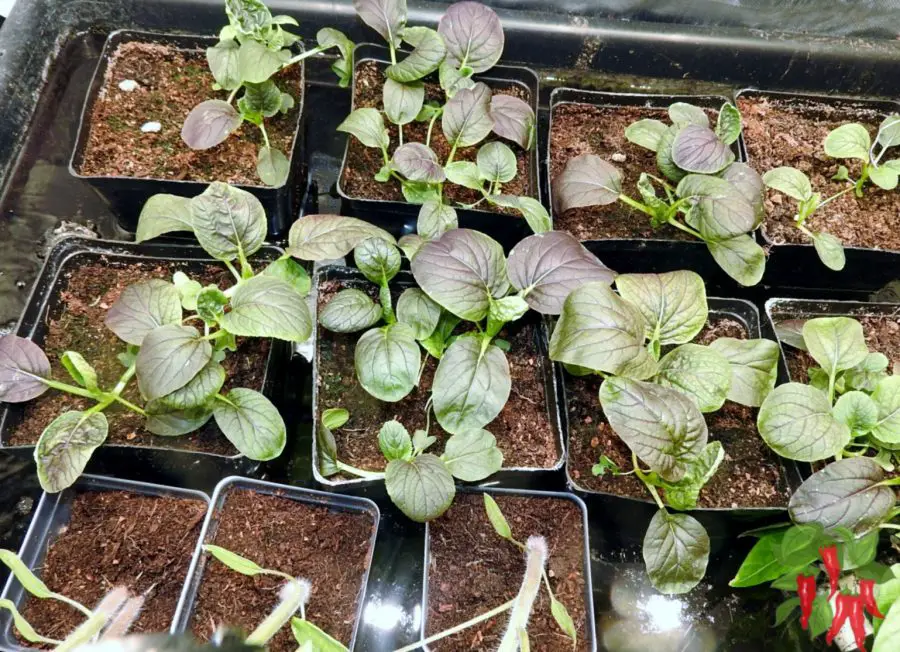
If you’re building out growing-vegetables-indoors as a small-space skill (not a once-a-year experiment), this Growing Vegetables Indoors: Start Here hub is your roadmap. The goal is simple: pick the right crops, pick the right method, and get steady results without turning your living room into a science lab.
Start with your pillar first, because it helps you choose crops that behave well indoors:
The Best Vegetables To Grow Indoors Plus 16 FAQ.
What You’ll Learn
• The 3 easiest ways to grow vegetables indoors (soil, coco coir, and hydroponics)
• Which vegetables actually do well inside (and which ones aren’t worth the hassle)
• How to choose containers, light, and watering routines that fit apartments
• Simple small-space systems: windowsills, shelves, closets, and countertop gardens
• How to avoid the most common indoor growing mistakes (leggy plants, low yield, pests)
The 3 Best Ways to Grow Vegetables Indoors
Most indoor vegetable setups fall into one of these lanes. The “best” one depends on your space, your patience level, and whether you want simple greens… or full-on tomatoes indoors.
1) Containers with potting mix (the classic option)
This is the easiest place to start if you have a bright window or you’re adding a grow light. It’s flexible, beginner-friendly, and works great for greens, herbs, and compact fruiting plants in larger pots.
- Growing Carrots in Pots Indoors
- Growing Potatoes In A 5-Gallon Bucket
- Growing Garlic Indoors In Pots
2) Coco coir (clean, fast-draining, and great indoors)
Coco coir is a soil-free growing medium that drains well and helps reduce common indoor issues like soggy containers and fungus gnats. It’s especially handy when you’re dialing in watering.
- Growing Vegetables In Coco Coir Indoors For Beginners
- How To Grow Vegetables In Coco Coir
- Benefits Of Growing Vegetables In Coco Coir Indoors
3) Hydroponics (fast growth, less mess, more “system”)
Hydroponics is perfect when you want speed and consistency. It’s also a great answer when your windows don’t cut it and you’re relying on lights anyway.
- Hydroponics for Beginners: Grow Fresh Vegetables Indoors
- Kratky Lettuce (Kratky Method DIY)
- Bubble Bucket Hydroponics
Countertop Option: AeroGarden (The Easy Button)
If you want the most hands-off way to grow greens, herbs, and a few compact vegetables indoors, a countertop system can be a great fit.
- AeroGarden Guide: Grow Easy Indoor Gardens that Thrive
- What Is An AeroGarden?
- Can You Grow Tomatoes In An AeroGarden?
Best Indoor Vegetables by “Difficulty Level”
Indoor success comes down to matching the crop to your space. Here’s a simple way to sort your choices so you don’t accidentally start with the hardest stuff.
Easiest wins (fast, compact, forgiving)
Next step (more time, bigger containers, better light)
High reward (but you’ll need real light + routine)
- Growing Tomatoes Indoors For Beginners
- How Long Do Pepper Plants Live?
- Growing Garlic Indoors In Pots
Lighting: The Make-or-Break Piece Indoors
If your plants are stretching, leaning hard, or growing thin and pale, that’s usually a light problem. This is why your existing page is important—but it needs to connect into the “Start Here” system:
Growing Vegetables Indoors Without Sunlight: Easy Tips
If you’re growing leafy greens, a bright window can work. If you want fruiting crops (tomatoes/peppers) indoors, grow lights usually make the difference between “alive” and “productive.”
Small-Space Systems That Actually Work
You don’t need a spare bedroom. Most indoor growers end up using one of these setups:
- Windowsill + containers (best for greens and compact herbs)
- Shelf + grow light (easy upgrade, very apartment-friendly)
- Closet grow (max control, great for serious indoor harvests)
- Grow tent (best for consistent yields year-round)
- Countertop hydro (quick greens with minimal effort)
- How To Grow Vegetables In A Closet For Beginners
- Small Closet Grow Room Setup
- Are Grow Tents Worth It For Vegetables?
- Using A Grow Tent For Vegetables
Common Indoor Problems (And the Fast Fix)
- Leggy plants: Move the light closer (or upgrade intensity) and rotate containers.
- Slow growth: Light or feeding is usually the bottleneck—don’t guess; adjust one variable at a time.
- Overwatering: Let the top layer dry slightly, and make sure drainage is real (not decorative).
- Pests indoors: Start here if you want a practical, plant-safe approach: Eco-Friendly Pest Control for Indoor Plants
Set Realistic Expectations (Indoor vs Outdoor Yields)
Growing vegetables indoors is absolutely doable—but it’s different from gardening outside. Sunlight indoors is weaker. Root space is limited. Air movement is reduced. That doesn’t mean you can’t grow food. It just means expectations matter.
Leafy greens are the indoor champions because they don’t require pollination and don’t need months of intense light. Fruiting crops like tomatoes and peppers can produce indoors—but only when light intensity, container size, and pruning are managed well.
If your goal is steady harvests of greens and herbs, indoor gardening can easily meet that. If your goal is buckets of tomatoes, that usually requires stronger lighting and more dedicated space. Start small, dial it in, and then expand.
Indoor success is less about scale and more about consistency.
Indoor Growing Still Has Seasons
Even though you’re indoors, seasons still affect your results. Day length changes. Window angles shift. Indoor temperatures fluctuate more than most people realize.
In winter, natural light drops significantly—even in bright homes. This is when supplemental grow lights make the biggest difference. Greens may grow slower without them, and fruiting plants often stall.
In summer, windows can overheat containers quickly. South- or west-facing windows may require rotating plants or slightly pulling them back from the glass.
Watering also changes by season. Winter growth is slower, so containers stay wet longer. In warmer months under lights, growth speeds up and plants may drink more frequently.
Adjust your routine slightly with the seasons, and indoor growing becomes far more predictable.
A Simple Indoor Vegetable Starter Blueprint
If you want a setup that works without overcomplicating things, here’s a practical starting point for growing-vegetables-indoors in a small apartment:
- 2–3 medium containers dedicated to leafy greens (lettuce, baby greens, spinach)
- 1 adjustable LED grow light mounted above a shelf or table
- 1 larger container (5 gallons or more) if you want to try a tomato or pepper
- Consistent weekly feeding and pruning schedule
This kind of setup keeps things manageable. You get quick wins from greens, and you learn light and watering balance before moving into heavier fruiting crops.
The mistake most beginners make is trying to grow everything at once. Start with what performs best indoors. Once you’re harvesting regularly, then scale up.
Growing Vegetables Indoors: FAQs
What is the easiest vegetable to grow indoors?
Leafy greens are usually the easiest: baby greens, lettuce, and spinach. They stay compact, grow quickly, and don’t require pollination indoors.
Do I need grow lights to grow vegetables indoors?
Not always. Greens can do well in a bright window, but grow lights make indoor results more consistent—especially in winter or in low-light apartments.
What is the best method for growing vegetables indoors in a small apartment?
For most apartments, start with containers for greens, then add a simple shelf light if needed. If you want faster growth and less mess, consider a small hydroponic setup or a countertop garden.
How do I stop indoor vegetable plants from getting leggy?
Leggy growth is almost always a light issue. Increase light intensity, bring the light closer (safely), and keep the light duration consistent.
Is Growing Vegetables Indoors: Start Here the right guide if I’m building growing-vegetables-indoors from scratch?
Yes. This hub is designed to help you choose a growing method, pick the right crops, and connect to the most useful step-by-step guides so you can get results without bouncing between random posts.