
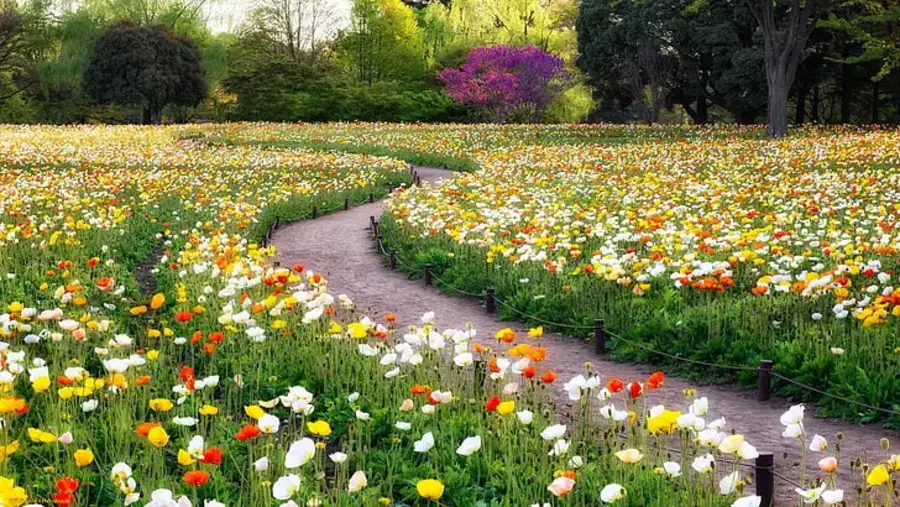
If you’ve ever wished you could enjoy those crinkly, paper-thin poppy blooms without needing a big garden, growing Poppies in pots is a great way to do it.
You get the color, the charm, and the easy care—all in a container you can tuck on a balcony, patio, or sunny doorstep.
Once you get the hang of the soil, light, and timing, these delicate-looking flowers turn out to be pretty tough. Let’s walk through it together so you can enjoy your own little burst of color this season.
🌼 What You’ll Learn
- Which poppy varieties grow best in pots and small spaces
- How to choose the right container size and drainage setup
- The ideal soil mix for healthy, long-lasting blooms
- When and how to sow poppy seeds directly in containers
- Simple watering, lighting, and feeding routines that prevent problems
- How to enjoy potted Poppies indoors without stressing the plants
- Easy tips for harvesting and storing poppy seeds at the end of the season
Growing Poppies in Pots: 9 Easy Tips for Beginners

Want big, silky poppy blooms without a big garden? Growing Poppies in pots is a simple way to turn a balcony, patio, or sunny doorstep into a mini wildflower patch. As long as you give them the right container, soil, light, and timing, these delicate-looking flowers are surprisingly tough.
In this guide, you’ll learn which poppy types actually do well in containers, how to sow them so they don’t sulk, and how to keep the blooms coming as long as possible. We’ll also talk about what’s realistic if you want to bring your potted Poppies indoors for a bit of color.
Quick Start: 9 Easy Tips for Growing Poppies in Pots
- Choose compact, container-friendly poppy varieties.
- Use a pot at least 10–12 inches wide with good drainage.
- Fill it with a gritty, fast-draining mix (coco coir + perlite).
- Sow seeds directly in the final pot—poppies hate root disturbance.
- Give them full sun and cool conditions whenever possible.
- Water deeply but let the top layer dry between waterings.
- Light feeding is fine; too much fertilizer = fewer blooms.
- Deadhead if you want more flowers; leave pods if you want seeds.
- Enjoy them indoors briefly, but plan on keeping them outdoors long term.
Tip 1: Pick the Right Poppies for Containers
Not all Poppies behave the same in pots. Some get tall and floppy, others stay compact and showy. For container gardening, look for varieties that stay relatively short and don’t mind cooler conditions.
Good choices for pots:
-
- California Poppy (Eschscholzia californica): Low, bushy plants with bright, cup-shaped blooms. Great for sunny, dry spots.

- Iceland Poppy (Papaver nudicaule): Pastel, lightly fragrant flowers on wiry stems. Loves cool, bright conditions.

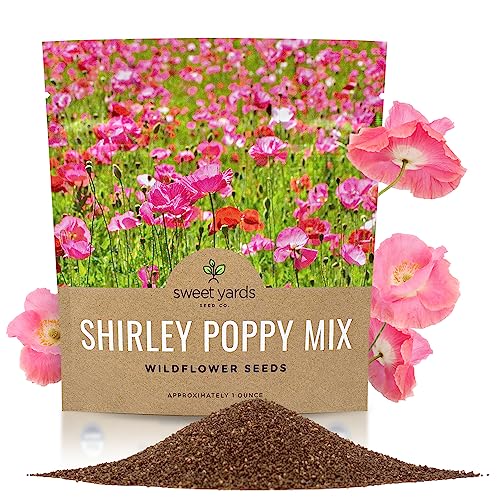
- Corn / Shirley Poppies (Papaver rhoeas): Classic “field poppy” look in reds, pinks, and whites. Excellent in larger patio pots.
- Compact Oriental Poppy (Papaver orientale): Works in big, deep containers where you want a striking focal point.


Avoid growing restricted or drug-associated poppy types. When in doubt, stick to ornamental varieties sold specifically for gardens and containers.
Tip 2: Choose Pots with Plenty of Root Room
Poppies don’t like having their roots messed with, but they do appreciate a bit of elbow room. A cramped pot dries out fast and leads to stressed, stunted plants.
Container guidelines:
- Use a pot that’s at least 10–12 inches wide for a small clump.
- Go wider (14–16 inches) if you want a mixed display or several plants in one container.
- Make sure there are multiple drainage holes at the bottom—no exceptions.
- Terracotta breathes and helps prevent soggy roots; plastic holds moisture longer and is lighter to move.
Set your pots where they’ll get full sun and won’t be knocked over by wind—poppy stems look delicate and they really don’t enjoy being flattened.
Tip 3: Use a Gritty, Well-Draining Potting Mix
If there’s one thing that will kill your container Poppies fast, it’s heavy, soggy soil. They naturally grow in lean, well-drained ground and hate sitting in a wet pot.
Simple mix that works well in pots:
- About 70–75% coco coir (or a light, peat-free potting mix)
- About 25–30% perlite or coarse grit for drainage and air space
Blend it thoroughly so the perlite is evenly distributed. This kind of mix drains quickly, but coco coir still hangs onto enough moisture for roots to stay comfortable.
Poppies aren’t fussy about super-rich soil, so there’s no need to overdo compost or fertilizer. In fact, too much fertility tends to produce lots of leaves and fewer flowers.
Tip 4: Sow Poppy Seeds Directly in the Pot
Poppies really dislike root disturbance, which is why they’re almost always better direct-sown instead of started in little cells and transplanted.
Direct sowing in containers:
- Fill your pot with your prepared mix and firm it slightly.
- Moisten the surface before sowing.
- Sprinkle the tiny seeds evenly over the top—don’t bury them deeply.
- Press them in gently or cover with a very light dusting of mix or fine sand.
- Mist or water gently so you don’t wash the seeds into clumps.
Depending on variety and temperature, you’ll usually see germination in about 7–30 days. Once seedlings are a couple of inches tall, thin them so there’s space between plants. It feels cruel, but crowding equals weak, spindly growth.
Tip 5: Time Your Planting for Cool Weather
Poppies are cool-season bloomers. In pots, they’re happiest when they can germinate and grow in mild temperatures rather than mid-summer heat.
As a general rule:
- Cooler climates: Sow in early spring as soon as the risk of hard freeze has mostly passed, or sow in fall for spring bloom.
- Warmer climates: Fall and late winter sowing usually works better so plants can flower before brutal summer heat arrives.
Poppies in pots that go straight into hot weather tend to bolt quickly or sulk. Give them that cool start and you’ll get sturdier plants and a better show of blooms.
Tip 6: Give Poppies Full Sun and Cool Conditions
You’ll get the best results when your containers sit in full sun for most of the day—think 6 hours or more of direct light.
Light and temperature basics:
- Full sun is best; light afternoon shade can help in very hot climates.
- Ideal growing temps are usually in the 50–70°F range (10–21°C).
- Hot, dry, windy conditions will shorten bloom time—pots dry out fast on hot concrete patios.
If your area gets hot early, try moving pots where they get morning sun and a bit of protection during the harshest afternoon rays.
Tip 7: Water Deeply, Then Let the Top Dry
Poppies hate boggy roots, but they don’t want to be bone dry all the time either. The goal is a rhythm: water deeply, then allow the top layer to dry before you water again.
Simple watering routine:
- Check the top inch of soil. If it’s dry, it’s time to water.
- Water until you see it drain out of the bottom holes.
- Empty saucers so pots don’t sit in standing water.
- Expect to water more often in hot, windy weather and less in cool, cloudy spells.
Yellowing lower leaves and constantly wet soil can signal overwatering. Crispy foliage and drooping plants in dry mix mean you waited a little too long. Adjust as you go—poppies will tell you what they think.
Tip 8: Light Feeding and Simple Maintenance
Because Poppies prefer leaner soil, you can keep feeding very simple.
Fertilizing:
- Mix in a small amount of slow-release, balanced fertilizer before sowing, or
- Use a diluted liquid fertilizer every 3–4 weeks during active growth.
Too much nitrogen gives you lush foliage with very few flowers, so always err on the light side.
Maintenance:
- Deadhead spent blooms to encourage more flowers if you don’t need seed.
- Leave some pods to mature if you want to collect seed later.
- Gently stake taller varieties if they’re in a windy spot.
Tip 9: Harvesting Seed and Enjoying Dried Pods
One of the fun perks of growing Poppies in pots is collecting seed heads at the end of the show.
To collect seed:
- Wait until pods dry and turn tan or light brown on the plant.
- Snip pods on a dry day and place them upside down in a paper bag.
- Let them finish drying, then shake out the tiny seeds.
- Store seeds in a labeled envelope or jar in a cool, dry place.
Dried pods also look great in arrangements and wreaths. Cut them a little earlier, when they’re firm but not fully brittle, and hang them upside down to dry.
Growing Poppies in Pots Indoors (What’s Realistic)
You can absolutely bring a pot of blooming Poppies indoors for a while, but they’re not true long-term houseplants. They naturally want cool air and intense light, which most living rooms just don’t offer for very long.
Best way to enjoy Poppies indoors:
- Grow them outdoors in full sun as usual.
- Bring the pot inside for short stretches—on a bright, cool windowsill—for special color.
- Rotate the pot back outside so plants can recharge in stronger light and cooler air.
If you try to keep them inside full time in a warm, dim room, they usually get leggy, flop over, and fade fast. Treat them more like a seasonal indoor bouquet in a pot, not a year-round houseplant, and you’ll be much happier with the results.
Common Questions About Growing Poppies in Pots
How long do potted Poppies last?
Most poppy types grown in pots are short-lived. Annuals like corn Poppies bloom for one season and then set seed. Perennial types, such as Oriental Poppies, can return for several years if the container is large enough and you protect roots from extreme heat and freeze.
Why are my Poppies flopping over in the pot?
Flopping is usually caused by insufficient light, pots that are too small, or very rich soil that produces soft, weak stems. Move containers into stronger sun, avoid over-fertilizing, and use a slightly deeper, heavier pot for tall varieties.
Can I keep Poppies on a hot, sunny balcony?
You can, but you’ll need to watch moisture very closely. Pots on concrete or near reflective surfaces can dry out quickly. In very hot areas, morning sun and light afternoon shade often give better, longer-lasting blooms.
Do Poppies self-seed in containers?
Yes, they can. If you leave some pods to ripen and let seeds fall back into the pot, you may see volunteer seedlings the following season. Just thin them out so the new generation isn’t overcrowded.
Final Thoughts: Small Pots, Big Color
Growing Poppies in pots is one of those projects that feels a little magical. You scatter a few tiny seeds, keep the soil just moist enough, and suddenly you’ve got bright, crinkled petals nodding in the breeze on your balcony or by your front step.
Start with container-friendly varieties, give them full sun and a gritty mix, and don’t be afraid to experiment with sowing times and placements. Even if a batch doesn’t turn out perfectly, you’ll learn a lot—and those lessons will carry over to the next pot you plant.
With a few simple tweaks and realistic expectations about how they behave indoors, you can enjoy a gorgeous poppy show in containers year after year.