
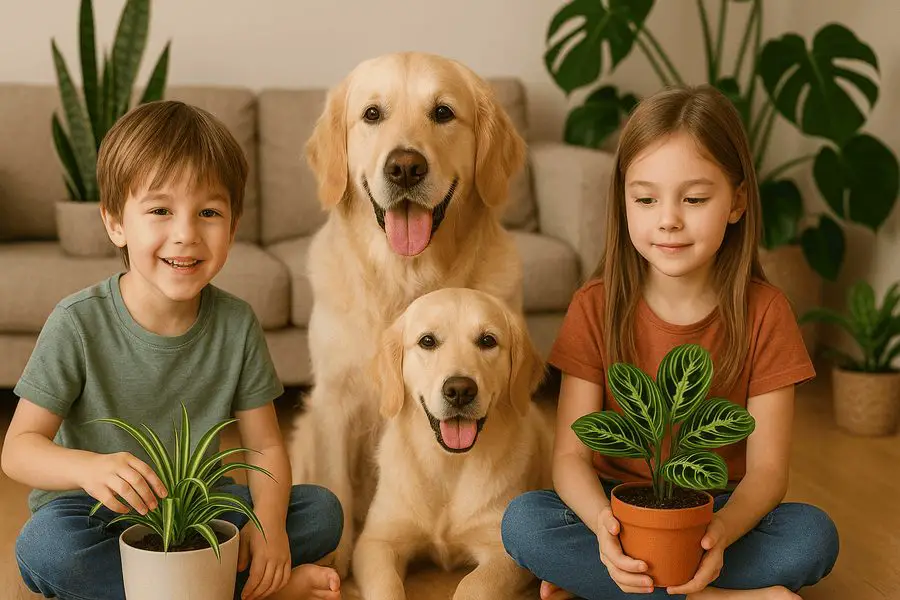
Easy Worry-Free Greenery
🏡 If you’re trying to add a little more life to your home without stressing about little hands or curious paws, you’re in the right place.
In this guide, you’ll explore Family-Friendly Plants Safe for Kids and Pets and find plants that bring color, calm, and fresh energy into your space without adding another thing to worry about.
These are the easygoing, forgiving varieties that fit right into busy homes and make your rooms feel brighter, safer, and a whole lot more fun.
What You’ll Learn 📖
- 👨👩👧👦 What “family-friendly” really means for kids and pets
- 🐶 How to tell if a plant is safer for cats, dogs, and curious little hands
- 🌱 A starter list of kid-and-pet-safe indoor plants for living rooms, play areas, and bedrooms
- 🌿 How to place plants so they’re part of your home—not a hazard
- 🧒 Fun, simple ways to involve kids in plant care without encouraging nibbling
- 📱 How to quickly double-check plant safety at the store
- ❓ Clear answers to the most common kid-and-pet plant questions
Family-Friendly Plants Safe for Kids and Pets 👨👩👧👦🐾🌿
You want a cozy, green home—but you’ve also got little hands, paws, and curious noses exploring every corner. It’s totally normal to wonder:
“I’ve got kids and animals—what’s truly safe to grow indoors?”
The good news is you don’t have to choose between plants and your family’s safety. With the right family-friendly plants safe for kids and pets, smart placement, and a few simple house rules, you can enjoy a lush indoor jungle without constantly worrying about what someone might chew on next.
In this guide, you’ll learn how to pick kid-and-pet-safe indoor plants, where to put them, and how to turn plant care into a fun, hands-on learning experience for everyone in your home.
Safety Basics: What “Family-Friendly” Plants Really Means 🧠
When you’re choosing plants for a home with both kids and pets, you’re juggling more than just “toxic” vs. “non-toxic.” You’re also thinking about spines, heavy pots, choking hazards, and the fact that toddlers and animals often explore the world with their mouths.
It’s not just about toxicity
- Toxicity: Could this plant cause serious illness if chewed or swallowed?
- Physical risk: Are there sharp spines, stiff leaves, or breakable pots that could hurt a child or pet?
- Irritation: Does the plant have sap that can irritate skin, eyes, or mouths?
- Choking hazards: Does it drop berries, seeds, or small decorations that could be swallowed?
Kid-specific considerations
- Toddlers put just about everything in their mouths.
- Plants at kid height should be non-toxic, non-spiky, and in stable containers that are hard to tip.
- Older kids can handle more responsibility and understand “look, don’t nibble” rules.
Pet-specific considerations
- Cats: Love to climb, swat, and chew dangling leaves, especially from hanging or trailing plants.
- Dogs: Often go for floor-level pots, dig in soil, or chew leaves and stems.
- If you have “plant eaters,” lean extra hard into the safest possible options and smart placement.
A realistic goal
No plant is 100% risk-free, just like no toy is 100% risk-free. Your goal is to choose kid-and-pet-safe indoor plants that are:
- Non-toxic or low-risk if a nibble happens
- Physically gentle (minimal spines or sharp edges)
- In sturdy containers that won’t easily crash to the floor
- Paired with simple family rules everyone can follow
Simple House Rules for Kids and Pets Around Plants 🏡
Before you even add more plants, a few simple ground rules make life easier—and safer—for everyone.
The “look, don’t munch” rule
- Teach kids that plants are for looking, smelling, and helping care for, not for eating.
- For pets, give safe chew alternatives like toys or pet grass so your plants aren’t the most interesting thing in the room.
Gentle touch and supervised exploring
- Show kids how to gently touch leaves with one finger.
- Let them help dust leaves with a soft cloth or small paintbrush.
- Supervise watering time so plants don’t get “extra love” in the form of flooded pots.
Make handwashing part of the routine
- After helping with plants, kids wash their hands before snacks or meals.
- This keeps soil, fertilizer, and any plant sap where it belongs.
Age-appropriate plant chores
- Toddlers: Help “count leaves,” carry a tiny watering cup (with supervision), point out new growth.
- School-age kids: Check if the top of the soil is dry, mist ferns, wipe leaves, help you look up plants in a book or online.
Best Family-Friendly Plants for Shared Living Spaces 🌿
The plants below are commonly listed as non-toxic to cats and dogs and tend to be gentle enough for family spaces. That doesn’t mean they’re snacks—but it does mean they’re usually safer choices to have at kid and pet height.
Spider Plant (Chlorophytum comosum) 🕷️🌱

Spider plants are classic kid-and-pet-safe indoor plants. Their arching leaves and little “spiderettes” are fun for kids to see and easy to grow even if you’re a beginner.
- Light: Bright, indirect light is best, but they handle medium light pretty well.
- Water: Let the top of the soil dry slightly between waterings.
- Family notes: Non-toxic to pets; hanging baskets are great if cats like to bat at dangling babies.
Parlor Palm & Areca Palm (Chamaedorea elegans / Dypsis lutescens) 🌴

Parlor and Areca palms bring soft, tropical vibes without the sharp spines you find on some outdoor palms. They’re gentle to touch and look lovely in living areas.

- Light: Medium to bright, indirect light.
- Water: Keep the soil lightly moist, never swampy.
- Family notes: Non-toxic to pets; choose a wide, heavy pot if it’s on the floor to avoid tipping.
Boston Fern & Bird’s Nest Fern (Nephrolepis exaltata / Asplenium nidus) 🌿

Ferns make your space feel like a tiny forest, which kids usually love. Boston ferns are fluffy and trailing; bird’s nest ferns have bold, wavy fronds in a rosette shape.

- Light: Bright, indirect light for most ferns.
- Water: Enjoy consistent moisture and higher humidity—bathrooms and kitchens can be perfect spots.
- Family notes: Generally non-toxic; keep them where pets are less likely to dig in the soil.
Cast Iron Plant (Aspidistra elatior) 🛡️

If your home is busy and forgetful watering happens, cast iron plant is your friend. It’s famous for tolerating low light and less-than-perfect care.
- Light: Low to medium light.
- Water: Let the soil dry a bit between waterings; it dislikes soggy roots.
- Family notes: Non-toxic and tough; great as a floor plant in sturdier pots.
Baby Rubber Plant & Other Peperomias (Peperomia obtusifolia & friends) 🍼🌱
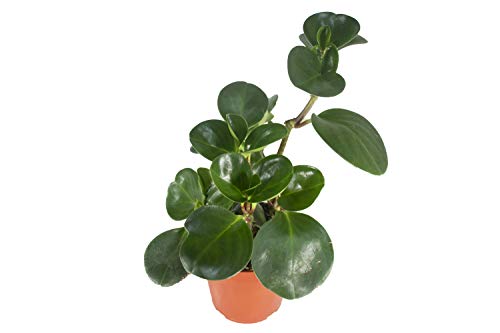
Baby rubber plants and many Peperomias have thick, smooth leaves that kids love to gently touch. They stay compact and tidy, which is ideal for smaller homes.

- Light: Bright, indirect light is ideal, though many tolerate medium light.
- Water: Allow the top of the soil to dry out between waterings.
- Family notes: Commonly listed as non-toxic; still reinforce “we don’t eat houseplants” with kids.
Prayer Plants & Calatheas (Maranta & Calathea spp.) 🙏🌀

Prayer plants and many Calatheas are kid favorites because they move—their leaves often lift at night and lower during the day. They also have gorgeous patterns and colors.

- Light: Medium to bright, indirect light.
- Water: Prefer consistent moisture and higher humidity.
- Family notes: Non-toxic to pets; keep them where leaves won’t be constantly grabbed or crushed.
African Violet (Saintpaulia) 🌸

African violets bring brightly colored flowers into your home without taking up much space. They’re perfect for windowsills and side tables.
- Light: Bright, indirect light; avoid harsh direct sun.
- Water: Keep soil lightly moist; many people like to water from the bottom to protect the leaves.
- Family notes: Commonly listed as non-toxic; a nice “first flowering plant” for kids to help care for.
Safer Succulent Option: Haworthia 🌵

If you love the look of succulents but worry about toxicity, Haworthia is a good place to start. It has a classic spiky look but is much safer than many other succulents.
- Light: Bright, indirect light; some can handle a bit of direct morning sun.
- Water: Let the soil dry well between waterings.
- Family notes: Often listed as non-toxic; still best placed where it won’t be constantly manhandled.
Chinese Money Plant (Pilea peperomioides) 🪙🌿

Chinese Money Plants are known for their round, coin-like leaves and tidy, modern look. They stay compact, grow upright, and usually behave themselves — a great choice for small apartments and pet-friendly homes.
- Light: Medium to bright indirect light. Keep out of harsh direct sun to prevent leaf scorch.
- Water: Water when the top inch of soil feels dry. They like even moisture but don’t tolerate soggy soil.
- Durability: Upright stems are sturdy, and the plant stays compact with very little tangling.
- Mess Factor: 1–2/5 – May drop an occasional leaf if too dry but generally stays neat.
- Best place: Desks, shelves, plant stands, or grouped with other small plants just out of curious paw reach.
Friendship Plant (Pilea involucrata) 🤝

Friendship plants stay relatively small, with deeply textured leaves that look more delicate than they really are. They’re often used in mixed planters or terrariums.
- Light: Medium to bright, indirect light; avoid intense direct sun.
- Water: Keep soil slightly moist, not soggy. Let the top layer dry a bit before watering again.
- Durability: Compact shape means fewer trailing stems to snag.
- Mess Factor: 🐾 1–2/5 – Some leaf drop if it dries out, but generally neat.
- Best place: Desks, shelves, or grouped with other small plants out of nose reach.
Plants in Kids’ Rooms and Play Areas 🧸
Putting plants in kids’ rooms can be a sweet way to introduce responsibility and a love of nature. You just want to be a little extra careful about what you choose and where you put it.
When plants work well in kids’ spaces
- School-age kids who can follow “no eating plants” rules.
- Children who are excited to help water and check on their plants.
- Rooms where pets aren’t left unsupervised for long stretches.
Great choices for kids’ rooms
- Spider plant (in a hanging basket or on a high shelf)
- Baby rubber plant or other Peperomias
- Polka dot plant (Hypoestes) for bright color splashes
- Small parlor palm in a sturdy, wide-based pot
What to avoid in kids’ rooms
- Heavy ceramic pots on narrow shelves that could fall.
- Cacti and very spiny succulents.
- Plants that drop berries, seeds, or lots of litter onto the floor.
Plants and Curious Pets: Setup Tips That Help Everyone 🐶🐱
Even with safer plants, smart placement goes a long way in a home with energetic pets.
Use vertical and wall space
- Hang plants in sturdy planters from the ceiling.
- Use wall-mounted shelves or wall planters to keep foliage above pet level.
- Avoid placing plants right next to cat trees or favorite dog beds.
Protect soil and pots
- Add a thin layer of decorative stones or gravel on top of the soil to discourage digging.
- Use heavier, wide-bottom pots for floor plants so toddlers and dogs can’t knock them over as easily.
Give pets a “yes” option
- Offer pet-safe grass for cats that like to graze.
- Provide sturdy chew toys for dogs so plants are less interesting.
How to Choose Kid-and-Pet-Safe Indoor Plants at the Store 🛒
Standing in the plant aisle with your phone out, trying to Google every name? Here’s a simple process you can use whenever you shop.
Step 1 – Get the plant’s real name
- Look for both the common name and the scientific name on the tag.
- If the tag just says “assorted tropical” or something vague, snap a photo and plan to identify it more accurately before you let it live at kid or pet level.
Step 2 – Check trusted resources
- Use your phone to check the plant on:
- 👉 The ASPCA’s toxic and non-toxic plant lists
- 👉 University extension websites with houseplant and pet safety info
- If you can’t confirm that it’s safe, it’s usually better to skip it or keep it in a room where pets and young kids don’t go.
Step 3 – Look at the plant’s features
- Does it have thorns, stiff spines, or extremely sharp leaf edges?
- Is the pot top-heavy or easy to tip?
- Are there berries, seeds, or decorative pebbles that could become choking hazards?
Step 4 – Think about your specific family
- Do you have a toddler who climbs everything?
- A cat that loves chewing leaves?
- A dog that goes after anything new on the floor?
Start with the toughest, most forgiving plants and keep the more delicate options higher up until you know how everyone behaves around them.
ASPCA Safety Box for Families 🌐
When in doubt, always double-check a plant using a trusted resource like the ASPCA’s toxic and non-toxic plant lists or a university extension site before you bring it home.
🌿 Quick Safety Reminder for Pet Parents
“Pet-safe” or “non-toxic” usually means a plant is unlikely to cause serious poisoning in small amounts – not that it’s a free snack. Even safe plants can still cause mild stomach upset if your pet eats a lot of foliage.
FAQs: Family-Friendly Plants Safe for Kids and Pets ❓
What makes a plant “family-friendly” for kids and pets?
A family-friendly plant is one that’s considered non-toxic or low-risk if a nibble happens, has minimal spines or sharp edges, and lives in a sturdy container that’s not easy to knock over. It also fits into your house rules—like “look, don’t munch”—and works with smart placement so it isn’t constantly in the line of fire from toddlers and pets.
Are all “pet-safe” plants automatically safe for young children too?
Most plants that are listed as non-toxic to pets are also lower risk for kids, but there are still things to watch for. Even safe plants can be choking hazards if they drop small leaves, seeds, or berries. It’s also important to avoid very heavy pots where kids play, and to teach children not to put plant parts—or soil—into their mouths.
Which indoor plants are generally safe for both kids and pets?
Some popular options that are commonly listed as safer for families include spider plants, parlor or Areca palms, Boston and bird’s nest ferns, cast iron plants, many Peperomias, prayer plants and Calatheas, African violets, Haworthia succulents, and friendship plants. They still aren’t snacks, but they’re often a better choice than spiny cacti or known toxic houseplants.
Can I put plants in my child’s bedroom if I also have pets?
Yes, you can decorate kids’ rooms with plants as long as you choose safer species and place them thoughtfully. Stick with non-toxic plants in stable pots, keep them out of direct pet traffic, and avoid spiky or top-heavy options. For toddlers and very active pets, it may be easier to keep plants on high shelves or in hanging planters until everyone is older or calmer.
How can I tell if a plant in the store is safe for my family?
Start by finding the plant’s name on the tag—ideally both the common and scientific names. Then look it up on your phone using the ASPCA toxic and non-toxic plant lists or a trusted university extension website. If you can’t confirm that the plant is safe for kids and pets, it’s usually best to leave it behind or plan to keep it in a no-pet, no-toddler zone.
What should I do if my child or pet chews on a houseplant?
Stay calm, but act quickly. Gently remove any remaining plant material from their mouth if you can do it safely. Identify the plant or take clear photos of it and its tag. If you know or suspect the plant is toxic, call your veterinarian, a pediatrician, or an animal poison hotline for guidance. Even with plants that are considered safer, it’s a good idea to monitor for vomiting, diarrhea, or changes in behavior.
Are artificial plants safer than real ones for kids and pets?
Artificial plants remove the toxicity factor, but they’re not totally risk-free. Some pets will chew plastic or silk leaves, which can cause blockages if swallowed. Small pieces can also be a choking hazard for young children. If you use faux plants, treat them like decor, not toys, and keep them out of easy reach of determined chewers.
Do I need to worry about potting soil and fertilizer around kids and pets?
Yes, soil and fertilizer matter too. You don’t want kids or pets eating potting mix, slow-release pellets, or liquid fertilizers. Try to discourage digging, cover the soil surface with stones if needed, and always store fertilizers and soil amendments out of reach. Follow label directions carefully so your plants get what they need without leaving residues where kids or pets might find them.
Conclusion: Growing a Safe, Happy Indoor Jungle 🌈
You don’t have to choose between a green, relaxing home and a safe space for your kids and pets. By focusing on family-friendly plants safe for kids and pets, using smart placement, and building a few simple house rules, you can enjoy an indoor jungle that works for everyone.
Kid-Safe & Pet-Safe Plants for Every Room 🏡
- Start with non-toxic, low-irritation plants like spider plants, ferns, Peperomias, prayer plants, African violets, and cast iron plants.
- Use sturdy containers and vertical space to keep plants safe and secure.
- Turn plant care into a fun, shared activity that teaches kids about nature, responsibility, and respect.
Over time, you’ll build your own list of favorite kid-and-pet-safe indoor plants, and your family will grow right alongside your plants—one safe, leafy corner at a time.
👉 Best Pet Friendly Indoor Plants for Small Spaces