
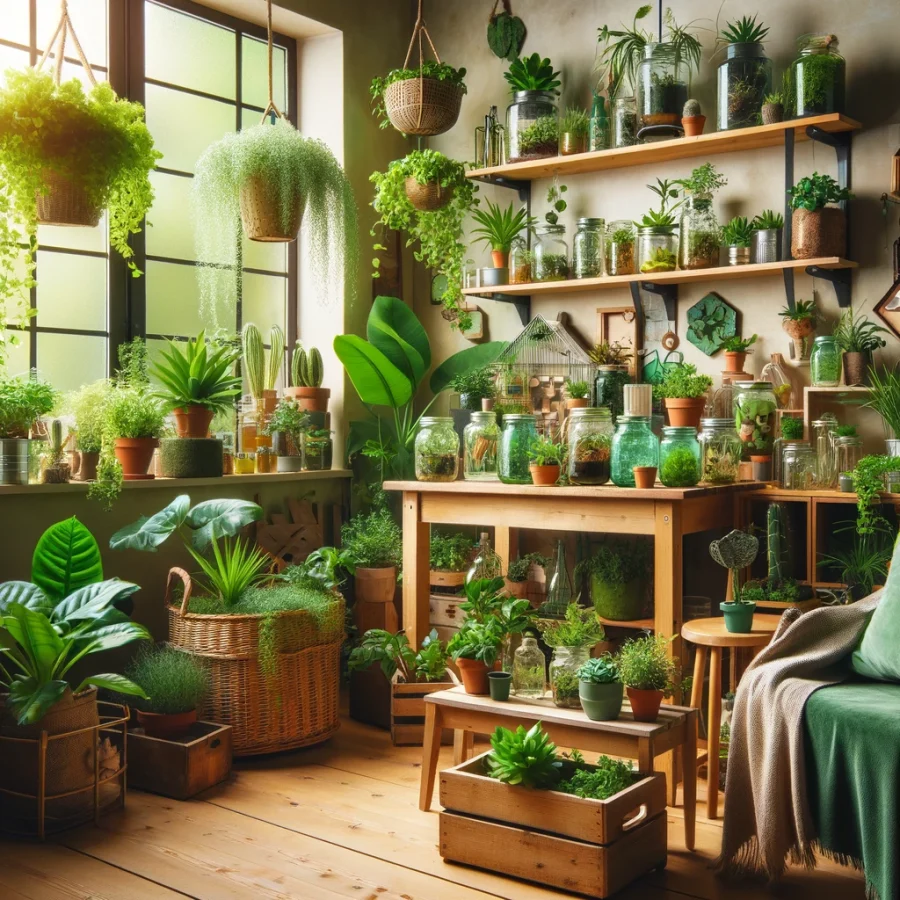
Discover eco-friendly gardening tips to create a sustainable and beautiful green space. Learn how to reduce waste, conserve water, and support biodiversity in your garden.
Eco-Friendly Gardening Tips
Key Takeaways:
Eco-Friendly Gardening Tips include:
-
- Using organic fertilizers,
- Planting native species,
- Conserving water,
- Practicing natural pest control.
- These practices support biodiversity, reduce environmental impact, and promote a healthy, sustainable garden.
Embracing Eco-Friendly Gardening
Welcome to the world of eco-friendly gardening, a practice that’s not only about nurturing plants but also about caring for the planet.
Eco-friendly gardening is an approach that emphasizes sustainability, conservation, and harmony with nature.
It’s about making choices that benefit both the environment and the living beings that inhabit it.
In this guide, we’ll explore the various aspects of eco-friendly gardening and how you can adopt these practices to create a garden that’s not only beautiful but also environmentally responsible.
Overview of Eco-Friendly Gardening and Its Importance
Eco-friendly gardening is more than just a trend; it’s a movement towards creating gardens that are in tune with nature. It involves practices such as:
- Using Organic Methods: Avoiding synthetic chemicals and fertilizers in favor of natural alternatives that don’t harm the environment.
- Conserving Water: Implementing irrigation techniques and choosing plants that require less water, thus reducing water usage.
- Promoting Biodiversity: Planting a variety of species to create a balanced ecosystem that supports wildlife, including pollinators like bees and butterflies.
The importance of eco-friendly gardening lies in its ability to reduce our environmental footprint, conserve natural resources, and create habitats that support biodiversity.
By gardening sustainably, we can help combat climate change, protect soil health, and preserve the natural beauty of our surroundings.
Benefits of Eco-Friendly Gardening for Personal Health and Community Well-being
Eco-friendly gardening offers numerous benefits beyond environmental conservation. It’s a holistic approach that can enhance our well-being in various ways:
- Healthier Food: Growing your own fruits, vegetables, and herbs organically ensures that you have access to fresh, pesticide-free produce.
- Mental and Physical Health: Gardening is a therapeutic activity that can reduce stress, improve mental health, and provide a form of gentle exercise.
- Community Engagement: Eco-friendly gardening practices can be shared and implemented in community gardens, promoting social interaction and collective environmental stewardship.
By embracing eco-friendly gardening, we not only contribute to a healthier planet.
But we also see a benefit to our own personal health and the well-being of our communities. It’s a win-win for everyone involved.
In the following sections, we’ll delve deeper into specific eco-friendly gardening practices and how you can incorporate them into your own garden.
Whether you have a sprawling backyard, a small balcony, or an indoor apartment garden, there’s always room for sustainable gardening.
Eco-Friendly Garden Ideas

Ready to give your garden an eco-friendly makeover? It’s easier than you think!
With a few simple changes, you can transform your green space into a sustainable sanctuary that’s not only beautiful but also kind to our planet.
Let’s explore some creative ideas to make your garden a haven for nature and a model of environmental stewardship.
Embracing Native Plants
- Supporting Local Wildlife: By choosing plants that are native to your area, you’re creating a natural habitat for local wildlife. These plants provide essential food and shelter for birds, bees, and butterflies, helping to maintain biodiversity.
- Reducing Water Usage: Native plants are adapted to the local climate and soil conditions, which means they require less water than non-native species. This makes them a perfect choice for conserving water in your garden.
Diving into Xeriscaping
- Creating Low-Water Gardens: Xeriscaping is all about designing a garden that thrives with minimal water. By selecting drought-tolerant plants and using efficient irrigation techniques, you can reduce your garden’s water consumption significantly.
- Promoting Sustainability: A xeriscaped garden not only saves water but also reduces the need for fertilizers and pesticides. This approach supports a healthier ecosystem and contributes to a more sustainable environment.
Incorporating Edible Plants
- Growing Your Own Food: Adding edible plants to your garden is a delicious way to embrace eco-friendly gardening. Whether it’s a few herbs on your windowsill or a full-fledged vegetable patch, growing your own food reduces your carbon footprint and provides fresh, organic produce.
- Enhancing Garden Diversity: Edible plants add variety to your garden and attract beneficial insects, such as pollinators. This diversity is essential for maintaining a balanced ecosystem and promoting a healthy garden.
By integrating these eco-friendly garden ideas into your outdoor space, you’re not just creating a beautiful retreat; you’re also making a positive impact on the environment.
So, grab your gardening gloves and let’s get started on this green journey!
Composting for Indoor Gardens
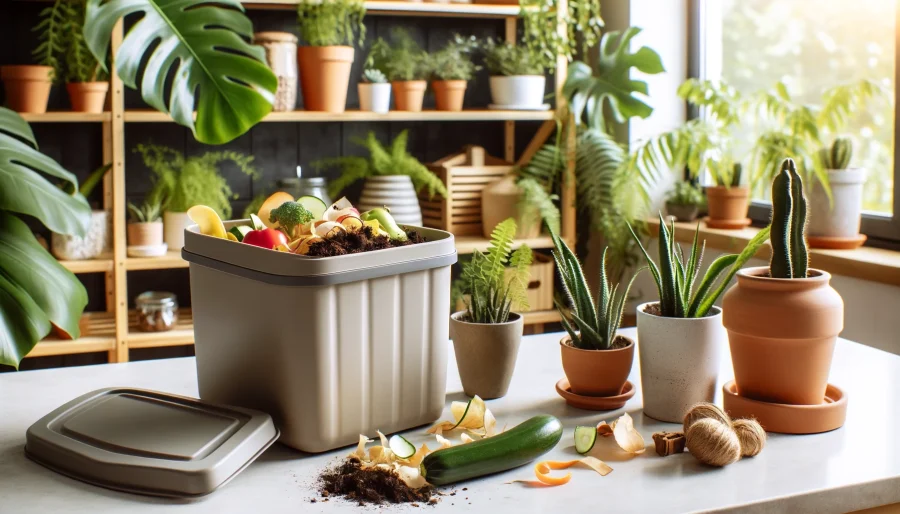
Think composting is just for outdoor gardens? Think again!
Indoor composting is a fantastic way to give your potted plants a nutrient boost while reducing kitchen waste.
Let’s dig into the world of indoor composting and discover how you can turn your scraps into plant gold.
The Basics of Composting and Its Benefits for Soil Health
- What is Composting? Composting is the process of turning organic waste, like food scraps and plant clippings, into nutrient-rich soil called compost. This natural fertilizer is packed with essential nutrients that help plants grow strong and healthy.
- Benefits for Soil Health: Adding compost to your indoor garden improves soil structure, increases moisture retention, and provides a slow release of nutrients. It’s like a superfood for your plants, encouraging vibrant growth and reducing the need for chemical fertilizers.
Tips for Setting Up a Small-Scale Composting System for Indoor or Balcony Gardens
- Choose the Right Composter: For indoor composting, a small, enclosed bin is ideal. Look for compact composters designed for indoor use, or try a DIY option using a sealed container with air holes. Also, consider adding a worm bin indoors.
- What to Compost: Stick to fruit and vegetable scraps, coffee grounds, eggshells, and small amounts of plant material. Avoid meat, dairy, and oily foods, as they can attract pests and create odors.
- Maintaining Your Compost: Keep your compost bin in a warm, dark place and turn the contents regularly to aerate it. Balance green (nitrogen-rich) and brown (carbon-rich) materials to speed up the decomposition process.
How to Use Compost in Indoor Gardening to Reduce Waste and Promote Plant Growth
- Mixing Compost with Potting Soil: When potting or repotting plants, mix compost with your regular potting soil. A ratio of one part compost to three parts soil is a good starting point.
- Top-Dressing Plants: Sprinkle a thin layer of compost on top of the soil in your plant pots. This provides a nutrient boost and helps retain moisture.
- Compost Tea: Brew a nutrient-rich tea by steeping compost in water for a few days. Use this liquid to water your plants, giving them a gentle dose of nutrients.
By incorporating composting into your indoor gardening routine, you’re not just helping your plants thrive; you’re also taking a small but significant step toward a more sustainable lifestyle.
Natural Pest Control for Indoor Plants
Are pesky bugs bugging your indoor plants? There are plenty of natural ways to show those critters the door without resorting to harsh chemicals.
Let’s explore how you can keep your indoor garden pest-free, the natural way.
Identifying Common Indoor Plant Pests and Natural Methods to Control Them
- Spider Mites: These tiny critters love to suck the sap from plants, causing yellowing and wilting. Wipe them away with a damp cloth or spray your plants with a mixture of water and a few drops of dish soap.
- Fungus Gnats: These small flies are attracted to moist soil. Let the top layer of soil dry out between waterings, and use sticky traps to catch the adults.
- Aphids: These sap-suckers can cause stunted growth and distorted leaves. Blast them off with a stream of water or apply a neem oil spray to your plants.
Using Beneficial Insects, Such as Ladybugs, to Manage Pest Populations
This is not something you probably want to try indoors but if you are gardening on a balcony or outdoor garden space it might be a good option for you.
- Ladybugs: These spotted heroes are natural predators of aphids, mites, and other pests. Introduce ladybugs to your indoor garden to keep pest populations in check.
- Lacewings: Lacewing larvae are voracious eaters of aphids, thrips, and other soft-bodied pests. You can purchase lacewing eggs online and release them in your garden.

Homemade Natural Pest Repellents and Treatments for Indoor Plants
- Neem Oil: A natural insecticide, neem oil can be diluted with water and sprayed onto affected plants. It’s effective against a wide range of pests and is safe for indoor use.
- Garlic Spray: Blend a few cloves of garlic with water and a drop of dish soap to create a potent spray that repels many common pests.
- Diatomaceous Earth: This fine powder is made from fossilized algae and can be sprinkled around the base of your plants to deter crawling pests like ants and beetles.
By incorporating these natural pest control methods into your indoor gardening routine, you can keep your plants healthy and happy without harming the environment or your health.
Advantages of Using Organic Fertilizers

Organic fertilizers are the green thumbs’ best-kept secret for a thriving garden.
They’re like a gourmet meal for your plants, providing a balanced diet that promotes healthy growth and vibrant blooms.
Let’s dig into the benefits of going organic and why it’s a game-changer for your garden.
The Benefits of Organic Fertilizers for Soil Health and Plant Growth
- Improved Soil Structure: Organic fertilizers add organic matter to the soil, which improves its structure. This helps the soil retain moisture and nutrients, making them more available to plants.
- Slow-Release Nutrients: Unlike synthetic fertilizers, organic options release nutrients slowly, providing a steady supply that supports consistent plant growth without the risk of nutrient burn.
- Enhanced Soil Life: Organic fertilizers support a diverse microbial life in the soil. These beneficial microorganisms help break down organic matter, making nutrients more accessible to plants and promoting overall soil health.
Different Types of Organic Fertilizers and How to Use Them in Your Garden
- Compost: Made from decomposed organic matter, compost is a nutrient-rich soil amendment that can be added to garden beds or used as a top dressing for potted plants.
- Manure: Animal manure is a traditional organic fertilizer that’s high in nutrients. It should be well-composted before use to avoid burning plants and to kill any pathogens.
- Blood Meal: A high-nitrogen fertilizer, blood meal is great for leafy greens and other nitrogen-loving plants. Use it sparingly, as too much nitrogen can inhibit flowering and fruiting.
The Impact of Synthetic Fertilizers on the Environment and Why Organic Options Are Better
- Chemical Runoff: Synthetic fertilizers can leach into waterways, causing pollution and harmful algal blooms. Organic fertilizers are less soluble, reducing the risk of runoff.
- Soil Degradation: Overuse of synthetic fertilizers can degrade soil structure and reduce biodiversity. Organic fertilizers help maintain a healthy soil ecosystem.
- Energy Consumption: The production of synthetic fertilizers is energy-intensive and contributes to greenhouse gas emissions. Organic fertilizers are often made from waste products, making them a more sustainable choice.
By choosing organic fertilizers, you’re not just feeding your plants; you’re also nurturing the soil and protecting the environment. It’s a win-win for your garden and the planet!
Saving Water in Your Indoor Garden
Conserving water in your indoor garden is not just good for the environment; it’s also great for your plants and your wallet.
With a few smart techniques, you can ensure your indoor garden stays lush and green without wasting a drop.
Let’s dive into some water-saving tips that are sure to make a splash!
Techniques for Efficient Water Usage in Indoor Gardening
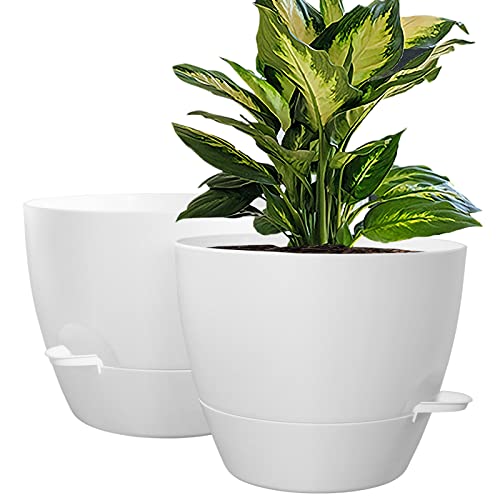
- Self-Watering Systems: These self watering pots use a reservoir and wicking mechanism to provide a consistent moisture level to your plants, reducing the need for frequent watering.
- Moisture Meters: These handy gadgets measure the moisture level in your soil, helping you avoid overwatering or underwatering. Water only when the meter indicates it’s needed.
- Grouping Plants: By placing plants with similar water needs together, you can more easily manage their watering schedules and ensure each plant gets just the right amount of moisture.
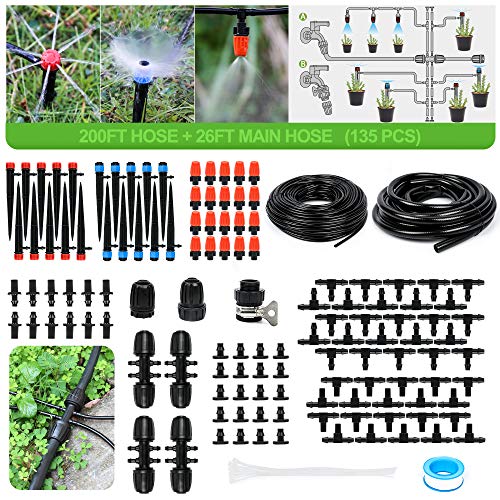
- Drip Irrigation: Drip irrigation saves water by applying it directly to the plant’s roots.
Selecting Drought-Tolerant Plants for Water Conservation
- Choosing the Right Plants: Opt for naturally drought-tolerant species, such as succulents, cacti, and certain herbs. These plants require less frequent watering and are more forgiving if you forget a watering or two.
- Understanding Plant Needs: Get to know the water requirements of your plants. Some may thrive with minimal watering, while others might need a bit more attention.
Tips for Reducing Water Evaporation and Maximizing Water Retention in Potting Soil
- Mulching: Adding a layer of mulch on top of your potting soil can help retain moisture and reduce the need for frequent watering.
- Soil Amendments: Incorporate materials like coco coir or vermiculite into your potting mix to improve water retention.
- Proper Drainage: Ensure your pots have adequate drainage holes to prevent waterlogged soil, which can lead to root rot.
By implementing these water-saving strategies, you can create a more sustainable indoor garden that’s not only beautiful but also eco-friendly.
How Does Gardening Help Climate Change
Gardens are more than just a pretty sight; they’re powerful allies in the fight against climate change.
From carbon sequestration to promoting biodiversity, gardening practices can play a crucial role in creating a more sustainable future.
Let’s dig into how your green thumb can make a big difference.
The Role of Gardens in Carbon Sequestration and Reducing Greenhouse Gas Emissions
- Carbon Storage: Plants absorb carbon dioxide (CO2) from the atmosphere during photosynthesis, storing carbon in their biomass and the soil. By growing a variety of plants, gardens can act as carbon sinks, helping to reduce the overall concentration of greenhouse gases.
- Reducing Emissions: Gardens can also help reduce emissions by providing local produce, which cuts down on the carbon footprint associated with transporting food. Composting organic waste in your garden reduces methane emissions from landfills.
How Gardening Can Contribute to Climate Resilience and Adaptation
- Managing Stormwater: Gardens can improve drainage and reduce runoff, decreasing the risk of flooding and erosion. Rain gardens and permeable surfaces allow water to soak into the ground, recharging groundwater supplies and reducing the impact of heavy rainfall events.
- Creating Microclimates: Strategic planting can create microclimates that moderate temperatures, provide shade, and reduce the urban heat island effect. This not only makes our cities more comfortable but also reduces the energy needed for cooling.
Biodiversity in Gardens for Ecosystem Stability and Climate Mitigation
- Supporting Wildlife: Diverse gardens provide habitat and food for a variety of wildlife, including pollinators, birds, and beneficial insects. This biodiversity is crucial for maintaining healthy ecosystems that can adapt to changing climate conditions.
- Resilient Ecosystems: By mimicking natural ecosystems, gardens with a wide range of plant species are more resilient to pests, diseases, and extreme weather events. This diversity helps ensure that gardens can continue to thrive and sequester carbon, even as the climate changes.
By embracing sustainable gardening practices, we can make our gardens not just a source of beauty and food, but also a powerful tool in the fight against climate change. Every plant counts!
Eco-Friendly Pots

When it comes to container gardening, choosing the right pot is about more than just aesthetics.
Eco-friendly pots not only look good but also do good for the environment.
Let’s explore the benefits of sustainable containers and how you can incorporate them into your green space.
The Benefits of Using Pots Made from Sustainable or Recycled Materials
- Reduced Environmental Impact: Eco-friendly pots are made from materials that have a lower carbon footprint compared to traditional plastic pots. By using recycled or sustainable materials, you’re helping reduce waste and conserve resources.
- Durability and Longevity: Many eco-friendly pots are designed to be durable and long-lasting, reducing the need for frequent replacements and further minimizing waste.
Different Types of Eco-Friendly Pots
- Biodegradable Pots: These pots are made from natural materials like peat, paper, or even cow manure. They break down over time, enriching the soil with organic matter. Biodegradable pots are perfect for starting seeds, as they can be planted directly into the ground, minimizing root disturbance.
- Recycled Plastic Pots: These pots are made from recycled plastic, giving a new life to materials that would otherwise end up in landfills. They come in various styles and colors, making them a versatile choice for any garden.
- Repurposed Containers: Get creative by using items you already have at home, such as old buckets, cans, or even shoes, as plant containers. Just make sure to add drainage holes to prevent waterlogging.
Tips for Choosing and Maintaining Eco-Friendly Pots for Your Garden
- Consider the Size and Drainage: Make sure the pot is the right size for your plant and has adequate drainage to prevent waterlogging.
- Check the Material’s Suitability: Some materials, like certain types of biodegradable pots, may not be suitable for long-term use or outdoor exposure. Choose a material that fits your gardening needs and climate.
- Care and Maintenance: Eco-friendly pots may require different care than traditional pots. For example, biodegradable pots may need to be kept moist to prevent premature degradation, while recycled plastic pots should be cleaned regularly to prevent algae growth.
By choosing eco-friendly pots, you’re not only adding beauty to your garden but also contributing to a healthier planet.
Sustainable Gardening: Recycling and Reusing Tips for Indoor Gardens
Recycling and reusing materials in your indoor garden is a great way to minimize waste and make your gardening practices more sustainable.
Here are some ideas and tips tailored specifically for indoor spaces:
Creative Ways to Recycle and Reuse Materials in Indoor Gardens
- Recycled Containers: Use old yogurt pots, coffee cans, or even teacups as planters for small indoor plants. Make sure to add drainage holes at the bottom.
- Upcycled Water Bottles: Cut the bottom off plastic water bottles to create mini greenhouses for seedlings or use them as small planters for herbs.
- Repurposed Furniture: Transform old drawers, wine crates, or even an unused desk into unique plant stands or indoor garden setups.
- Glass Jar Terrariums: Reuse glass jars or vases to create terrariums. These enclosed environments are perfect for growing moisture-loving plants like ferns and mosses.
Importance of Reducing Waste and Promoting a Circular Economy
- Recycling and reusing materials in your indoor garden helps reduce the amount of waste sent to landfills and lowers your carbon footprint.
- By finding new uses for items that would otherwise be discarded, you’re contributing to a more sustainable and resource-efficient gardening practice.
Examples of Successful Recycling and Reusing Projects in Indoor Gardens
- Recycled Seed Starters: Use egg cartons, toilet paper rolls, or paper coffee cups as biodegradable seed starters. Once the seedlings are ready, you can transplant them directly into larger pots.
- DIY Hanging Planters: Repurpose old baskets, metal bowls, or even colanders into hanging planters. Add some macramé or use chains for a stylish indoor garden display.
- Mason Jar Herb Garden: Reuse mason jars or other glass containers to create a compact herb garden for your kitchen. This not only adds greenery to your space but also provides fresh herbs for cooking.
By incorporating these recycling and reusing tips into your indoor gardening routine, you can create a beautiful and eco-friendly indoor garden that’s both stylish and sustainable.
Renewable Energy Ideas for Indoor Gardens
Incorporating renewable energy into indoor gardening can enhance sustainability and reduce energy consumption. Here are some ideas tailored for indoor gardens:
Solar-Powered Lighting for Indoor Plants
- Utilize Solar-Powered Grow Lights: Install solar panels near a window or on your balcony to power LED grow lights, providing your indoor plants with the necessary light spectrum for photosynthesis without relying on the grid.
- Ambient Light Charging: Use solar-powered ambient light chargers to power small plant lights or LED strips. These can be placed around your indoor garden to supplement natural light, especially in darker areas.
Wind Energy for Ventilation

- Small Wind Turbines for Air Circulation: If you have access to a balcony or a window that receives a good amount of wind, consider installing a small wind turbine to power fans for air circulation in your indoor garden. This can help regulate temperature and ensure your plants receive fresh air.
Energy-Efficient Watering Systems

- Solar-Powered Water Pumps: For hydroponic or self-watering indoor gardens, use solar-powered water pumps to circulate water and nutrients. This can be particularly useful if your indoor garden is located near a sunny window.
- Rainwater Harvesting for Indoor Use: Collect rainwater using a small rain barrel on a balcony or rooftop. Use a solar-powered pump to transfer the water indoors for watering your plants, reducing the need for tap water.
Renewable Energy Heating Solutions
- Solar Thermal Panels for Warmth: In colder climates, solar thermal panels can be used to capture heat from the sun and warm your indoor garden space, creating a more favorable environment for plant growth.
Kinetic Energy for Small Tasks
- Manual Energy Generators: Implement devices like hand-cranked generators to power small gadgets in your indoor garden, such as timers or low-energy sensors.
By integrating these renewable energy solutions into your indoor garden design, you can create a more sustainable and eco-friendly gardening space.
FAQs: Eco-Friendly Gardening Tips
Eco-friendly indoor gardening is all about growing plants in a sustainable and environmentally friendly way.
Whether you’re a seasoned green thumb or just starting, you might have some questions about how to make your indoor garden more eco-friendly.
Here are some commonly asked questions and answers to help you on your journey to a greener indoor garden.
Q. How do I start composting for my indoor garden?
A. Start by choosing a small, indoor compost bin or worm bin to collect your kitchen scraps. You can use vegetable peels, coffee grounds, and other organic materials. Mix your kitchen scraps with some dry materials like shredded newspaper or cardboard to balance moisture levels.
Q. What are some natural pest control methods for indoor plants?
A. You can use neem oil, insecticidal soap, or a simple solution of water and dish soap to spray on affected plants. Introducing beneficial insects like ladybugs or using sticky traps are also effective ways to control pests naturally.
Q. How do I choose the right organic fertilizers for my indoor plants?
A. Look for organic fertilizers that are specifically labeled for indoor use. Liquid seaweed, fish emulsion, and compost tea are great options for providing nutrients to your indoor plants without using synthetic chemicals.
Q. Can I use LED grow lights for eco-friendly indoor gardening?
A. Yes, LED grow lights are a great energy-efficient option for indoor gardening. They consume less electricity and produce less heat compared to traditional grow lights, making them an eco-friendly choice.
Q. How can I conserve water in my indoor garden?
A. Use self-watering planters or drip irrigation systems to reduce water waste. Collecting rainwater or using a dehumidifier to water your plants can also help conserve water in your indoor garden.
Conclusion: Embracing Eco-Friendly Gardening
Eco-friendly gardening is more than just a trend; it’s a sustainable approach to nurturing our environment while enjoying the beauty and bounty of nature.
By adopting eco-friendly practices, we can create healthier ecosystems, conserve resources, and reduce our carbon footprint.
Let’s recap the key points and encourage a shift towards greener gardening habits.
Key Points of Eco-Friendly Gardening
- Sustainable Practices: Utilizing methods like composting, natural pest control, and organic fertilization to nurture plants without harming the environment.
- Conservation of Resources: Implementing water-saving techniques and using renewable energy sources to minimize waste and energy consumption.
- Biodiversity Support: Planting native species and creating habitats that support local wildlife, promoting a balanced and thriving ecosystem.
Benefits of Eco-Friendly Gardening
- Healthier Environment: Reducing the use of chemicals and synthetic materials helps protect soil, water, and air quality.
- Enhanced Biodiversity: Encouraging a diverse range of plants and animals strengthens the resilience of garden ecosystems.
- Personal Well-being: Gardening in an eco-friendly manner can provide a sense of satisfaction and well-being, knowing that you’re contributing positively to the environment.
Call to Action
We encourage you to embrace eco-friendly gardening practices in your own green spaces.
Whether you’re tending to a sprawling outdoor garden or a cozy indoor plant collection, every small step toward sustainability makes a significant impact.
Together, let’s cultivate a greener, healthier world, one garden at a time.
References:
Here are some reputable sources for further reading and research on eco-friendly gardening practices:
EPA’s Guide to Indoor Air Quality and Plants:
https://www.epa.gov/indoor-air-quality-iaq
This resource from the Environmental Protection Agency provides information on how indoor plants can improve air quality.
Sustainable Jungle – Sustainable Gardening:
https://www.sustainablejungle.com/sustainable-living/sustainable-gardening/
Sustainable Jungle provides insights into sustainable gardening practices and how to implement them in your own garden.
Sustainable Gardening: Solutions to Climate Change by the University of Maryland Extension
This article discusses how home gardeners can help combat climate change by using sustainable practices such as reducing gas-powered equipment, planting lawn alternatives, using fertilizers wisely, and planting more diverse native plants. It also covers topics like improving soil health, managing stormwater runoff, and conserving water. Read more
Lighting for Indoor Plants by the University of Maryland Extension
This resource provides information on the importance of light for healthy indoor plant growth, including details on light intensity, duration, and quality. It also offers guidance on selecting indoor plants according to natural light availability and supplementing with artificial lighting if needed. Read more
Forcing Flowering Bulbs for Indoor Beauty by Penn State Extension
This article explains how to force spring blooming bulbs like tulips, daffodils, and hyacinths to flower indoors during winter or spring. It covers the process of chilling bulbs, selecting quality bulbs, and the steps to force them to bloom at a specific time. Read more
These resources provide a wealth of information on eco-friendly practices for indoor gardening, from reducing greenhouse gas emissions to selecting the right lighting and forcing bulbs for indoor beauty.