
If you’ve been wanting plants but worry about keeping your pets safe—or just keeping the plants alive—you’re going to love this guide.
Here, you’ll explore Easy Pet-Safe Houseplants for Absolute Beginners, simple, forgiving choices that brighten your home without adding stress for you or your pets.
What You’ll Learn 📚
- 🌿 What “pet-safe” really means (and why it doesn’t turn plants into snacks)
- 🪴 8+ ultra-forgiving, non-toxic houseplants perfect for first-timers
- 💡 How to match easy plants to your actual light and watering habits
- 🐾 Simple safety basics so pets and plants can share the same rooms
- 📋 Quick cheat sheets for light, water, and repotting decisions
Easy Pet-Safe Houseplants for Absolute Beginners 🌿🐾
If you’re brand new to houseplants and you share your home with a cat or dog, it can feel like you’re walking through a minefield.
You want something green and cheerful on your shelf—but you don’t want a midnight emergency vet visit because your pet chewed the wrong leaf.
Good news: there are plenty of forgiving, beginner-friendly plants that are also considered non-toxic to cats and dogs. You don’t need perfect light, a fancy mister, or tons of experience to get started.
In this guide, you’ll meet some of the easiest pet-safe houseplants, plus get simple tips for light, watering, and keeping both plants and pets happy in the same space.
What “Pet-Safe” Really Means (Beginner-Friendly Version) 🐶🐱
Before you pick your first plant, it helps to clear up what “pet-safe” actually means.
- Non-toxic / pet-safe: The plant is not expected to cause serious poisoning in cats or dogs if they take a small bite.
- Toxic: The plant is known to cause more serious issues like heart problems, kidney damage, or severe digestive signs if eaten.
Even with pet-safe plants, your cat or dog can still get a mild upset stomach from eating a lot of leaves, just like if you suddenly ate a bunch of salad after not having any veggies for a while.
So the goal isn’t to let them graze, but to choose plants that are much less likely to cause real harm if they do manage a nibble.
Think of “pet-safe” plants as your safety net while you also work on good placement and training, rather than as an all-you-can-eat buffet for your pets.
Light and Water Basics Without the Jargon💡💧
Most plant problems for beginners come down to two things: not understanding the light and guessing at the watering. Let’s keep both simple.
How to understand your light
- 🌞 Bright, indirect light: The room feels very bright near a window, but you’re not getting hot, burning sunbeams all day. This is plant heaven for many houseplants.
- 🌤️ Medium light: You can read a book comfortably during the day without turning on a lamp, but the plant isn’t right next to the window.
- 🌥️ Low light: The room looks dim, especially on cloudy days, and you often turn on lights in the daytime.
A quick test: stand where you want to place your plant at midday. If you can see a clear shadow from your hand, you probably have enough light for most of the plants on this list.
How to stop guessing about water
- 💧 The finger test: Gently push your finger into the soil up to your first knuckle. If it feels dry at that depth, it’s probably time to water. If it feels damp or cool, wait a few days.
- 🪴 Drainage is non-negotiable: Always use pots with drainage holes so extra water can escape. Plants hate “wet feet.”
- 🏺 Pot material matters: Terracotta dries out faster (good if you tend to overwater). Plastic holds moisture longer (good if you forget to water).
With those basics in mind, let’s look at some easy, pet-safe plants that won’t punish you for the occasional missed watering or imperfect light.
Easy Pet-Safe Houseplants for Absolute Beginners 🌿
These plants are commonly listed as non-toxic to cats and dogs on trusted pet and gardening resources, and they’re known for being beginner-friendly. Always double-check your specific plant by both common and scientific name before you buy.
Spider Plant (Chlorophytum comosum) 🕷️🌿

Spider plants are beginner royalty. They grow long, arching leaves and send out cute little “spiders” (baby plants) on stems that hang over the pot. They’re tough, adaptable, and happy in a variety of homes.
- Light: Bright, indirect light is ideal, but they tolerate medium light just fine.
- Water: Let the top inch of soil dry slightly between waterings. They prefer not to sit in soggy soil.
- Why it’s easy: Handles a bit of neglect, bounces back from minor mistakes, and tells you when it’s unhappy with brown leaf tips.
- Pet safety: Considered non-toxic. Some cats love to bat at the dangling babies, so hanging baskets or higher shelves can help.
Parlor Palm (Chamaedorea elegans) 🌴

Parlor palms bring a gentle, tropical feel without demanding bright sun. They’ve been grown indoors for generations for a reason—they tolerate lower light better than many other palms.
- Light: Low to medium, indirect light. Perfect for a corner a few feet from a window.
- Water: Keep the soil lightly moist, letting the top layer dry before watering again.
- Why it’s easy: Slow-growing, forgiving, and rarely fussy if you don’t overwater.
- Pet safety: Non-toxic and soft—no sharp spines or irritating sap.
Cast Iron Plant (Aspidistra elatior) 🛡️

The name says it all. Cast iron plants are famous for surviving tough conditions: low light, inconsistent watering, and general beginner chaos.
- Light: Low to medium light. They actually prefer to be protected from direct sun.
- Water: Let the top inch or two of soil dry out before watering. Overwatering is more dangerous than underwatering here.
- Why it’s easy: Grows slowly, tolerates neglect, and doesn’t demand constant repotting.
- Pet safety: Considered non-toxic, making it a great floor plant in homes with pets.
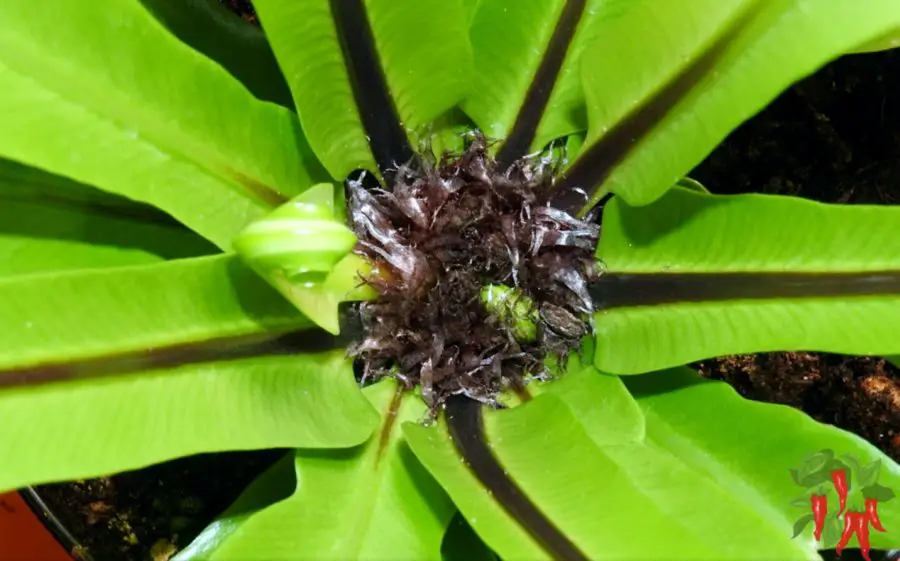
Bird’s Nest Fern (Asplenium nidus) 🌿

Bird’s nest ferns have bold, wavy fronds that grow in a rosette, giving a lush look without a lot of fuss. They’re softer and tidier than feathery ferns like Boston fern.
- Light: Medium to bright, indirect light. Avoid harsh direct sun on the leaves.
- Water: Keep the soil slightly moist but not soggy. They also appreciate a bit of extra humidity.
- Why it’s easy: Simple shape, clear signals when too dry (fronds may crisp), and happy in bathrooms with windows.
- Pet safety: Non-toxic, and the leaves are fairly sturdy if a paw brushes past.
African Violet (Saintpaulia) 🌸

Want flowers without toxic drama? African violets give you colorful blooms in a compact package, perfect for desks, side tables, and bright windowsills.
- Light: Bright, indirect light. Direct sun can scorch the fuzzy leaves.
- Water: Keep soil lightly moist and try to water the soil, not the leaves, to avoid spotting.
- Why it’s easy: Compact size, predictable watering needs, and it rewards basic care with blooms.
- Pet safety: Commonly listed as non-toxic, so those flowers are safer around curious noses.
Wax Plant / Hoya (Hoya carnosa) 🌙
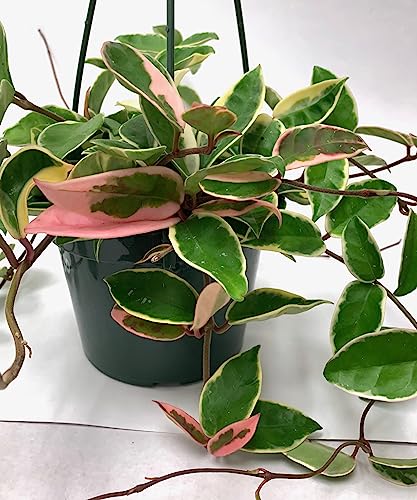
Hoyas are trailing or climbing plants with thick, waxy leaves. They’re often called “set it and forget it” plants because they’d rather you underwater than fuss over them constantly.
- Light: Bright, indirect light. A bit of gentle morning sun can help them bloom later on.
- Water: Let the soil dry out most of the way between waterings. Thick leaves store moisture.
- Why it’s easy: Great for people who forget to water and love trailing plants on shelves.
- Pet safety: Many common hoya species, including Hoya carnosa, are considered non-toxic.
Polka Dot Plant (Hypoestes phyllostachya) 🎨

If you want color without flowers, polka dot plants bring splashes of pink, white, or red spots to your collection. They work well in small pots, grouped displays, or even terrariums.
- Light: Bright, indirect light keeps the colors vivid. Low light can make the plant stretch and fade.
- Water: Keep soil lightly moist and try not to let it dry out completely.
- Why it’s easy: Easy to pinch back if it gets leggy and quick to show what it wants.
- Pet safety: Widely listed as non-toxic, so it’s a colorful option in pet homes.
Friendship Plant (Pilea involucrata) 🤝

Friendship plant gets its name from how easily it can be shared. It’s a compact, soft plant with textured leaves that works beautifully in small pots, groupings, or even closed terrariums.
- Light: Medium to bright, indirect light. It doesn’t enjoy harsh direct sun.
- Water: Keep soil slightly moist, letting the top layer dry a bit between waterings.
- Why it’s easy: Compact, forgiving, and simple to propagate by division or cuttings.
- Pet safety: Commonly treated as non-toxic, making it a nice choice for coffee tables and lower shelves.
Quick Care Cheatsheets for Beginners 📋
Watering Cheat Sheet 💧
- Only water when the top inch of soil feels dry for most plants on this list.
- Pour water until it runs out of the drainage holes, then empty the saucer.
- Use room-temperature water to avoid shocking the roots.
Light Cheat Sheet 💡
- Bright, indirect = within a few feet of a window, no harsh midday sun on leaves.
- Medium = bright room, plant is back a bit from the window.
- Low = you often need lights on during the day. Choose the toughest plants or add a small grow light.
Soil & Repotting Cheat Sheet 🪴
- Use a general-purpose indoor potting mix for most of these plants.
- Don’t rush to repot—wait until you see roots poking out of the drainage holes or the plant is clearly cramped.
- When you repot, go just one pot size up (for example, 4″ to 6″), not massive jumps.
Quick Safety Check for Every New Plant 🐾
Even when you aim for easy, pet-safe plants, it’s worth building a simple safety habit before anything new comes home.
When in doubt, always double-check a plant using a trusted resource like the ASPCA’s toxic and non-toxic plant lists or a university extension site before you bring it home.
🌿 Quick Safety Reminder for Pet Parents
“Pet-safe” or “non-toxic” usually means a plant is unlikely to cause serious poisoning in small amounts – not that it’s a free snack. Even safe plants can still cause mild stomach upset if your pet eats a lot of foliage, especially all at once.
Get in the habit of checking both the common name and scientific name of any new plant before it joins your indoor jungle.
FAQs: Easy Pet-Safe Houseplants ❓
What makes a houseplant “easy” for beginners?
An “easy” houseplant doesn’t need constant attention, precise watering schedules, or perfect light. It tolerates small mistakes—like a missed watering or a slightly darker corner—and bounces back when you fix the issue. Most of the plants in this guide grow at a moderate pace, don’t need frequent repotting, and tell you what they want with simple signs like limp leaves or dry soil.
Are all non-toxic plants totally safe for pets to chew?
Non-toxic plants are much safer than toxic ones, but they still aren’t meant to be chew toys. Even harmless species can cause mild vomiting, soft stool, or drooling if your pet eats a lot of leaves. Think of “non-toxic” as a safety cushion for accidents, not a green light to let pets graze. It’s still best to keep plants slightly out of reach and redirect chewing to toys.
What’s the easiest pet-safe plant for low light?
If your home is on the darker side, cast iron plant and parlor palm are often top picks. They tolerate lower light better than many other houseplants and don’t demand constant watering. Just remember that “low light” doesn’t mean “no light”—you’ll still want them relatively close to a window, or you may want to add a small grow light for the healthiest growth.
Which pet-safe plant needs the least watering?
Wax plants (hoyas) and some other thick-leaved species are great choices if you tend to forget the watering can. Their fleshy leaves store water, so they’d much rather dry out a bit than sit in soggy soil. Spider plants are also fairly forgiving and will recover from the occasional missed watering once you get back on track.
Can I keep pet-safe plants on the floor?
You can, but think about your individual pets. A calm older dog might ignore a floor plant completely, while a bored puppy may see it as a digging project. In general, it’s safest to keep plants slightly elevated on stands, shelves, or small tables where pets can’t easily knock them over or chew through stems.
What should I do if my pet eats part of an “easy” plant?
First, move the plant out of reach so the snacking doesn’t continue. Then identify the plant—check the tag, your purchase receipt, or photos from the store. Look it up on a trusted toxic/non-toxic plant list. If it’s non-toxic and your pet seems normal, you can usually just monitor for mild stomach upset. If the plant is toxic or you’re not sure what it is, contact your veterinarian or an animal poison hotline right away for advice.
Conclusion: You Can Grow a Pet-Safe Indoor Jungle 🌿✨
You don’t need a green thumb to enjoy houseplants when you share your space with cats and dogs. With a few easy, pet-safe plants, a basic sense of your light, and a simple watering habit, you can absolutely create a cozy indoor jungle that’s friendly to both plants and paws.
- Start with one or two forgiving options like spider plant, parlor palm, or cast iron plant.
- Place them where they get the right light—and are less tempting to curious mouths.
- Double-check every new plant before you buy, so you can relax and enjoy the greenery.
From there, you can slowly add more colors, textures, and shapes—knowing your indoor jungle is built with your pets’ safety in mind from day one. 🌿🐕🐈
👉 Best Pet Friendly Indoor Plants for Small Spaces
References 📚
- University of Illinois Extension – Protect Your Pets: Keep Paws Off Overwintering Plants
- University of Illinois Extension – Houseplants (light, care, safety basics)
- University of Maryland Extension – Are Your Houseplants Safe for Your Pet? (PDF)
- Cornell Cooperative Extension – Pet-Safe Gardening
- University of Minnesota Extension – Flowers & Ornamental Grasses (pet-safe options vary by species)
- Penn State Extension – Houseplants (general care, safe handling, and household considerations)
- ASPCA – Toxic and Non-Toxic Plants List