
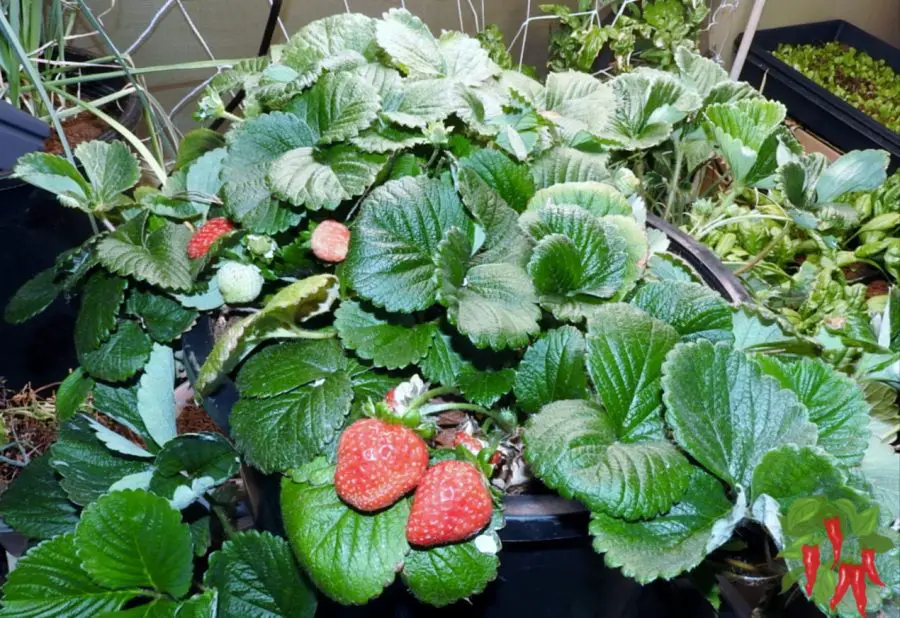
Ever wondered, ‘Do strawberries grow well hydroponically?’ Dive in to discover the juicy secrets behind soil-less berry farming. Let’s explore together!
Do Strawberries Grow Well Hydroponically?
Strawberries grow well hydroponically. Hydroponic systems offer controlled nutrients, leading to faster growth and consistent yields. This method can even outperform traditional soil farming.
Strawberries, the vibrant red fruit that many of us enjoy in our desserts, salads, or just as they are, have typically been grown in soil for centuries.
But with the rise in alternative farming techniques, there’s been a growing curiosity: Can strawberries thrive when grown hydroponically? Do strawberries grow well hydroponically?
The answer is an encouraging ‘yes’, and in many cases, they can flourish even better than they would in soil.
What is Hydroponic Farming?
Before delving into the specifics of strawberries, it’s essential to understand hydroponics.
Hydroponic farming is a method of growing plants without soil, using mineral nutrient solutions in water.
Plants are often grown with their roots in the nutrient solution itself or in an inert medium like perlite or hydroton.
This method allows for greater control over the nutrients the plants receive and can lead to faster growth and higher yields.
Benefits of Growing Strawberries Hydroponically:
Faster Growth:
The controlled environment and consistent nutrient delivery can accelerate the growth of strawberries. Since the plant doesn’t need to expand energy searching for nutrients in the soil, it can focus more on growing.
Year-Round Production:
Traditional strawberry farming is subject to seasons. With hydroponics, as long as the conditions are controlled, strawberries can be grown year-round, allowing for continuous harvesting.
Space Efficiency:
Hydroponic systems can be stacked vertically, making it possible to grow more strawberries in a smaller area. This is especially beneficial for urban areas where space is limited.
Decreased Pest and Disease Issues:
Soil can be a breeding ground for many pests and diseases. Hydroponics reduces this risk since there’s no soil involved. This means fewer pesticides and healthier crops.
Conservation of Water:
Hydroponic systems, especially closed-loop ones, use significantly less water than traditional farming because the water is recirculated.
Challenges in Hydroponic Strawberry Farming:
Initial Costs: Setting up a hydroponic system can be more expensive initially than traditional soil farming. This includes costs for the system itself, lighting (if indoors), and the nutrient solution.
Requires Monitoring: The nutrient balance and pH level of the water need consistent monitoring to ensure the strawberries receive the right amounts.
Technical Knowledge: A successful hydroponic setup requires a basic understanding of the system mechanics, as well as the specific needs of the strawberries.
Best Hydroponic Systems for Strawberries:
Nutrient Film Technique (NFT): In this system, a thin film of nutrient-laden water is continuously flowed over the roots of the plants, providing them with the required nutrients.
Deep Water Culture (DWC): The plants are suspended in a solution of oxygenated nutrient-rich water.
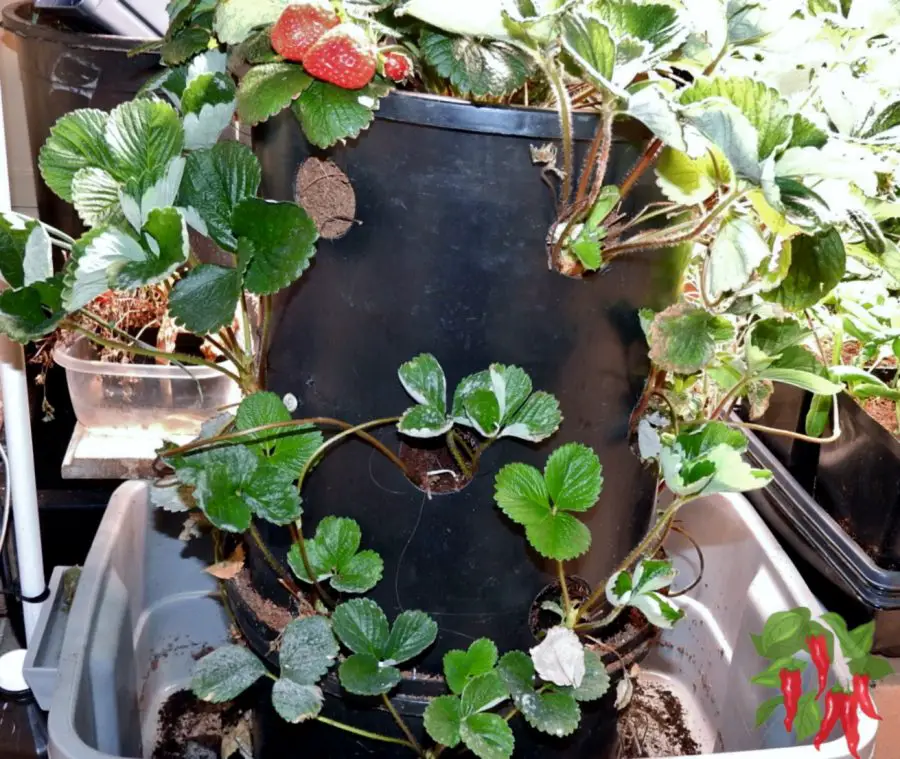
Vertical Hydroponic Systems: Given the compact nature of strawberry plants, vertical hydroponic systems are often an excellent choice. They not only save space but also make harvesting easier.
FAQs: Hydroponic Strawberry Farming
Q: Can I use any strawberry variety for hydroponic farming, or are specific varieties better suited?
A: While most strawberry varieties can be grown hydroponically, day-neutral or everbearing varieties are often preferred.
These types can produce fruit continuously throughout their growing season when given the right conditions.
Varieties like ‘Albion’, ‘Seascape’, and ‘San Andreas’ are popular choices for hydroponic systems.
Q: How long does it typically take for strawberries to fruit in a hydroponic system?
A: The time to fruiting can vary depending on the strawberry variety and the conditions provided.
Typically, hydroponically grown strawberries can start producing fruit in 60 to 75 days from planting.
Remember, the continuous provision of optimal nutrients, light, and temperature can expedite the growth and fruiting process.
Q: Is the taste of hydroponically grown strawberries different from soil-grown strawberries?
A: The taste of strawberries is influenced by the variety, environmental conditions, and nutrients they receive.
Hydroponically grown strawberries, when provided with the optimal nutrient mix, can taste as good as, if not better than, their soil-grown counterparts.
Some growers believe that precise control over nutrients in hydroponic systems can lead to sweeter and juicier strawberries.
Hydroponic Strawberries FAQs
Growing strawberries hydroponically is a method that’s gaining popularity for its efficiency and space-saving advantages.
While traditional soil-based cultivation has its own merits, hydroponics offers a controlled environment that could lead to longer growing seasons and potentially better yields.
Whether you’re a novice gardener or an expert looking to branch out, you might have some questions about hydroponic strawberries.
Here, we address some frequently asked questions to give you a clearer idea of what to expect.
Q: Do hydroponic strawberries taste good?
A: Yes, hydroponic strawberries can taste as good as, or even better than, soil-grown strawberries if properly cared for.
The nutrient-rich water solution used in hydroponics allows for precise control over the nutrients the strawberries receive, which can enhance flavor.
Q: How long does it take strawberries to grow hydroponically?
A: Strawberries can take approximately 4 to 6 weeks to grow hydroponically from a mature, transplanted runner.
However, if starting from seed, it can take a year or more to produce fruit.
Q: Are strawberries better in soil or hydroponics?
A: Both methods have their pros and cons. Hydroponics allows for a more controlled environment and may yield strawberries year-round, but it can be more expensive to set up initially.
Soil-based strawberries may have a more traditional, earthy taste to some people.
Q: Will hydroponic strawberries produce year-round?
A: Yes if you grow everbearing or day-neutral varieties.
Hydroponic strawberries have the potential to produce fruit year-round if they are kept in a controlled environment with consistent light, temperature, and nutrient levels.
Q: What do you feed hydroponic strawberries?
A: Hydroponic strawberries are typically fed a nutrient solution that is rich in essential elements like nitrogen, phosphorus, potassium, and trace elements.
This solution can be purchased pre-mixed or you can make your own using water-soluble fertilizers designed for hydroponic systems.
Do strawberries grow well hydroponically? Conclusion
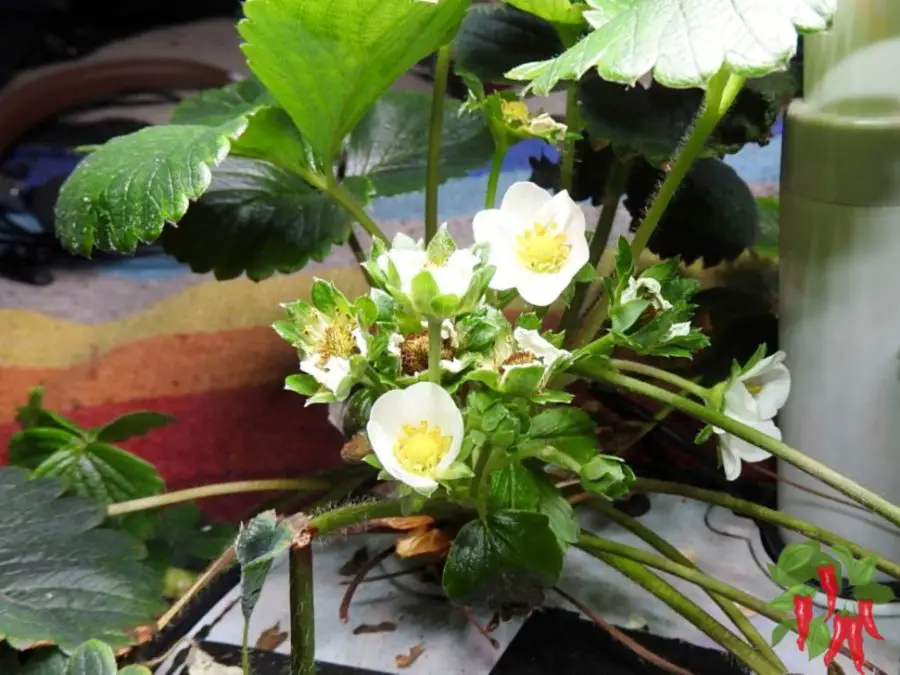
Strawberries do grow well hydroponically, and in some instances, they can outperform their soil-grown counterparts in terms of yield and quality.
The initial challenges associated with setting up and monitoring a hydroponic system can be outweighed by the numerous benefits, including faster growth, year-round production, and space efficiency.
However, it’s crucial for those interested in venturing into hydroponic strawberry farming to invest time in understanding the specific needs of the crop and the intricacies of their chosen hydroponic system.
With the right knowledge and tools in place, hydroponic strawberries can not only be a fruitful endeavor but also a step forward in sustainable and efficient farming.
The world of hydroponics offers an intriguing avenue for strawberry cultivation
Efficiency and Control: Hydroponic farming provides an environment where growers can meticulously manage nutrient levels, ensuring that strawberries receive the exact nourishment they need. This precise control often leads to quicker growth and consistent, high-quality yields.
Sustainability and Resource Management: Growing strawberries hydroponically can also be a nod towards more sustainable farming. With reduced water usage and the ability to grow in limited spaces, it’s an eco-friendly option that minimizes wastage and maximizes production potential.
In light of these advantages, it’s evident that hydroponics presents a promising future for strawberry farming. Whether you’re a consumer or grower, understanding the benefits can lead to more informed choices and a deeper appreciation for this sweet fruit.