
Composting Indoors: Easy Guide for Apartment Gardeners 🌿🏡
♻️ Want to cut kitchen waste and boost your plants without needing a backyard?
Composting indoors: easy guide for apartment gardeners is all about turning everyday kitchen scraps into rich, plant-loving goodness—right in your small space. Whether you’re in a studio apartment or a condo with a tiny balcony, you can still make amazing compost at home. 🌿
In this guide, you’ll see how to choose the right indoor compost system, keep smells under control, and use your finished compost to feed houseplants and balcony containers.
What You’ll Learn 🌿
- How composting indoors works for apartment gardeners 🏢
- The best methods for small spaces: worm bins, Bokashi, totes & electric composters 🪱🪣⚡
- What you can and can’t compost in a kitchen bin ♻️
- Simple ways to prevent smells, fruit flies, and mess 🚫🐝
- How to use finished compost for houseplants and balcony containers 🪴
- Easy troubleshooting tips when things get too wet, dry, or slow ⚙️
Why Compost Indoors in an Apartment? ♻️🏢
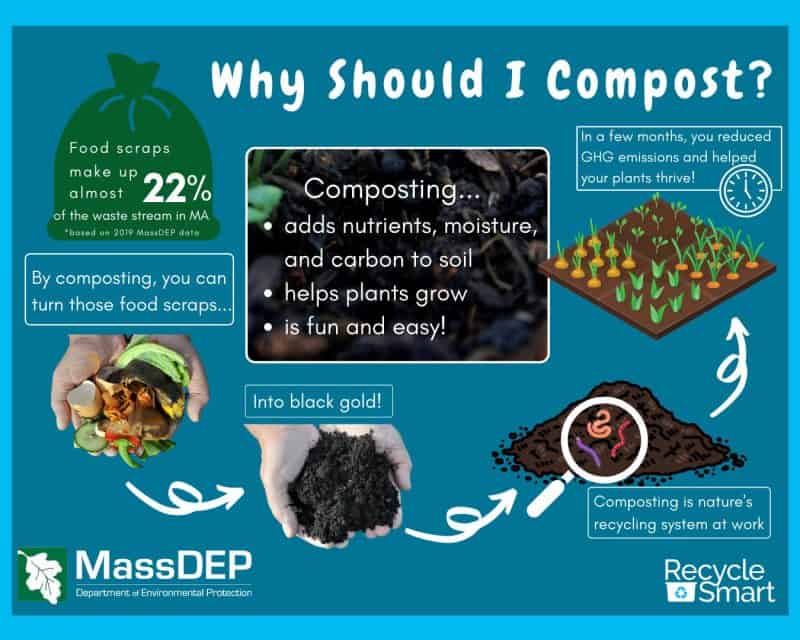
Indoor composting is perfect for small-space gardeners who want to reduce waste and grow healthier plants. Instead of tossing scraps in the trash, you turn them into a free, natural fertilizer.
- Reduce kitchen waste: Fruit peels, coffee grounds, and veggie trimmings become compost instead of landfill trash.
- Feed your plants for free: Finished compost improves potting mix, boosts microbes, and helps plants grow stronger and greener. 🌱
- Small-space friendly: Modern indoor systems are compact and designed for apartments, condos, and tiny homes.
- Year-round composting: Unlike outdoor piles, you can compost indoors in any season, in almost any climate.
- Great for kids and curious adults: Worm bins and Bokashi buckets are fun, hands-on ways to learn about nature and soil life. 🪱
How Indoor Composting Works 🌍
No matter which method you choose, the basic idea is the same: microbes (and sometimes worms) break down your food scraps into a dark, crumbly material that looks and smells like rich soil.
- Greens: Wet, nitrogen-rich materials like veggie scraps, coffee grounds, and fresh plant trimmings.
- Browns: Dry, carbon-rich materials like shredded paper, cardboard, and dry leaves.
- Air or fermentation: Aerobic systems (totes, worm bins) need air; Bokashi works without air (anaerobic fermentation).
- Time: Over a few weeks to a few months, everything breaks down into finished compost you can add to your soil.
Choosing the Best Indoor Compost System for Your Space 🪱🪣⚡
There’s no single “right” way to compost indoors. Instead, choose a method that fits your space, time, and comfort level.
1. Worm Bin (Vermicomposting) 🪱

A worm bin uses red wiggler worms to turn food scraps into worm castings—an incredibly rich fertilizer for container plants.
- Best for: Apartment gardeners who want a low-odor, space-saving system.
- Space needed: Roughly the footprint of a small tote or stackable tray system; fits under a table or in a closet.
- Pros: Very high-quality compost, fast breakdown, almost no smell when balanced well.
- Cons: You do need to care for the worms—no dumping giant loads of food at once.
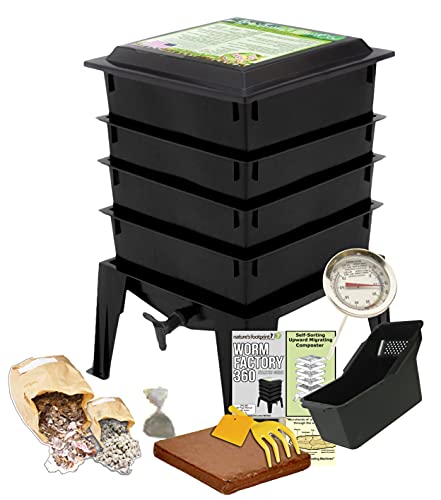
This is my Worm Factory 360 shown below and it works great. It’s compact (less than 2 feet square) so it fits easily in a small apartment—and it’s totally odorless when managed correctly.
2. Bokashi Bucket 🪣
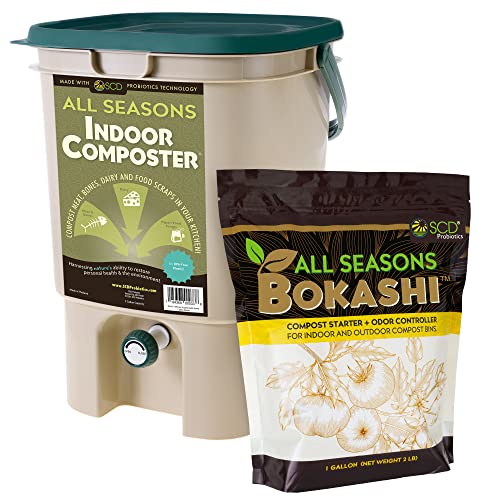
Bokashi composting ferments your kitchen scraps (including some foods you’d avoid in other systems) using special Bokashi bran.
- Best for: Small spaces where you want a tightly sealed bucket with minimal mess.
- Bonus: Can handle small amounts of meat and dairy that would be risky in a standard bin.
- Process: You layer scraps with Bokashi bran, press out the air, seal the lid, and let it ferment.
- Next step: The fermented “pre-compost” is then buried in soil, a planter, or added to another compost system to finish breaking down.
3. Electric Countertop Composter ⚡

An electric composter (waste digester) heats, dries, and grinds your scraps into a fine material that can be mixed into soil.
- Best for: Busy apartment gardeners who want a “push-button” option and don’t mind a higher upfront cost.
- Speed: Many models work in just a few hours instead of weeks or months.
- Note: The output is more like a soil amendment or pre-compost than traditional finished compost.
4. Simple Tote or Bin System 🗑️
A basic aerobic compost bin made from a plastic tote or bin with air holes is the low-tech option.
- Best for: Gardeners comfortable checking moisture and mixing the contents regularly.
- Tip: Keep it light on wet scraps, heavy on shredded paper/cardboard to avoid odor.
Setting Up Your First Indoor System (Step by Step) 🛠️

Here’s a simple starter plan that works for most apartment gardeners, especially if you choose a worm bin or Bokashi bucket.
- Pick your spot: Choose a cool, stable location—under the sink, in a pantry, or on a balcony out of direct sun.
- Collect your tools: Indoor compost bin, small kitchen caddy, shredded paper/cardboard, and scraps from your usual cooking.
- Start slowly: Add a small amount of food at a time so worms or microbes can keep up.
- Balance greens & browns: Whenever things look too wet or slimy, add dry browns and mix or layer. If things look too dry, add a little water and more greens.
- Check weekly: Take a quick peek for moisture, smell, and pests. Adjust as needed—it’s more like feeding a pet than running a science lab. 😊
What You Can & Can’t Compost Indoors 🍎☕
Getting the “ingredients list” right makes indoor composting much easier and keeps your bin smelling good.
Great Materials for Indoor Composting
- Fruit and veggie scraps (peels, cores, trimmings)
- Coffee grounds and paper filters ☕
- Plain tea bags (no plastic mesh)
- Crushed eggshells 🥚
- Shredded paper, cardboard, paper towel rolls 📦
- Small amounts of plant trimmings and faded flowers
Things to Limit or Avoid Indoors
- Meat, dairy, and oily foods: Skip these in most systems unless you’re using Bokashi specifically designed to handle them.
- Large amounts of citrus: Can be too acidic, especially for worms.
- Heavily salted or heavily spiced foods: Tough on worms and microbes.
- Diseased plants or heavy pest infestations: Better to dispose of these rather than risk spreading problems.
Compost Tea & Worm Leachate 🧪
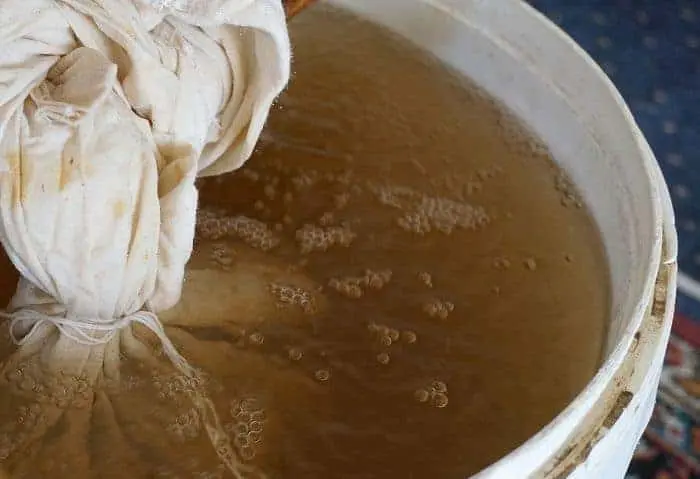
Many indoor compost systems also produce liquid by-products that can help your plants when used correctly.
- Worm tea: Made by steeping worm castings in water, then straining. It’s full of beneficial microbes and makes a gentle liquid feed for houseplants. 🌱
- Leachate: The liquid that drains from a worm bin or Bokashi bucket. Always dilute heavily and test on a few plants first, as it can be strong.
Used carefully, both can be a nice bonus from your indoor composting setup.
Using Your Finished Indoor Compost 🪴
Once your compost looks dark, crumbly, and earthy (not like recognizable scraps), it’s ready to help your plants.
For Houseplants
- Top dressing: Sprinkle a thin layer on top of the potting mix and water it in.
- Mix into soil: When repotting, blend 10–25% compost into fresh potting mix.
- Compost tea: Steep a small amount of compost in water, strain, and use the liquid to water plants for a gentle nutrient boost.
For Balcony and Patio Containers
- Soil amendment: Mix compost into container soil at planting time for better structure and moisture retention.
- Mulch: Add a thin layer on top of the soil to help keep moisture in and feed the soil life slowly.
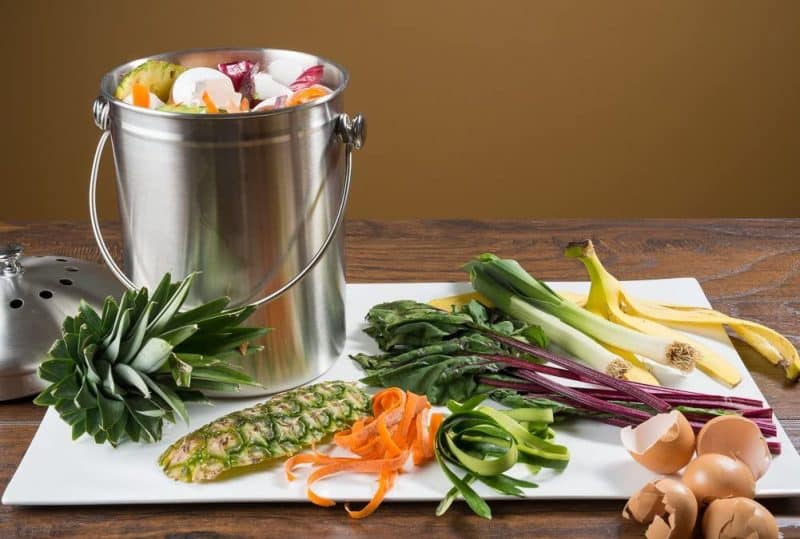
Countertop Compost Pail for Scraps
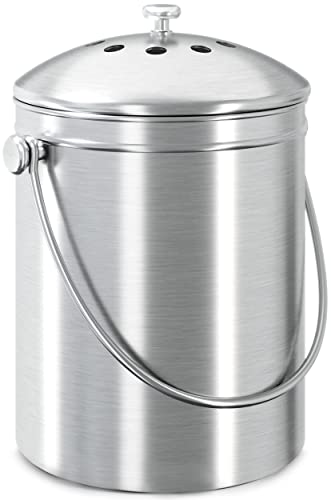
A small countertop pail makes it easy to collect scraps while you cook, then empty them into your main indoor compost system once or twice a day.
Troubleshooting Common Apartment Composting Problems ⚠️
Even with a good setup, little issues pop up. Here’s how to fix the most common ones quickly.
- It smells bad: Add more dry browns, avoid overloading wet scraps, and mix or aerate if needed. A healthy bin smells earthy, not rotten.
- Fruit flies or gnats: Bury food scraps under bedding, keep a tight lid, and reduce very sweet, exposed scraps like banana peels.
- Too wet and soggy: Add shredded cardboard or paper and mix. Make sure there are drainage or airflow holes if needed.
- Too dry and slow: Add a bit of water and more green material. The compost should feel like a wrung-out sponge.
- Worms trying to escape: It may be too hot, too wet, too acidic, or lacking air. Ease up on citrus, add more bedding, and gently fluff the bin.
Composting Indoors FAQs 🌿
Here are quick answers to the questions most apartment gardeners ask when they start composting indoors for the first time.
Is composting indoors safe in an apartment?
Yes 👍 As long as you use a closed system—such as a worm bin, Bokashi bucket, or electric composter—and follow a few basic guidelines, indoor composting is clean, safe, and very apartment-friendly.
Does indoor composting smell bad?
A healthy indoor compost bin should smell earthy, not rotten. If you notice odors, add more “browns” (paper, cardboard, dry leaves), avoid meat and oily foods, and make sure the bin has proper airflow or is sealed correctly for the method you’re using.
What is the easiest composting method for beginners?
For most apartment gardeners, a small worm bin or a Bokashi bucket is the easiest place to start. They take up very little space, work year-round, and are almost odor-free when managed correctly.
What can I compost indoors, and what should I avoid?
You can compost fruit and veggie scraps, coffee grounds, tea bags, crushed eggshells, and shredded paper or cardboard. Avoid large amounts of citrus, and skip meat, dairy, and greasy foods unless you’re using a Bokashi system designed to handle them.
How long does it take to make compost indoors?
Most indoor systems produce usable compost in about 2–4 months. Worm bins often break things down faster, while simple tote or aerobic bins can take a bit longer depending on temperature, moisture, and how often you feed and mix the contents.
How much space do I need for an indoor compost bin?
Not much at all 😊 A small worm bin, Bokashi bucket, or electric composter typically fits under the sink, beside the trash can, or in a closet or corner of the kitchen—perfect for apartments and studios.
Can I compost indoors all year long?
Absolutely ✅ Indoor composting systems are protected from weather, so you can keep reducing waste and making compost for your plants 12 months a year, no matter what’s happening outside.
Final Thoughts: Small Space, Big Impact 🌎
Composting indoors really is an easy guide for apartment gardeners who want greener habits and healthier plants. With a simple bin, a few scraps, and a little routine, you can turn everyday waste into something your plants will love.
Start small, keep it simple, and tweak as you go. Before long, you’ll wonder why you ever threw all that goodness in the trash. 🌿♻️