
This post may contain affiliate links. If you buy something from one of our links we may earn a commission. Thanks
🌵 Best Indoor Succulents for Beginners:
Easy, Beautiful Plants Anyone Can Grow
If you’ve ever wanted to grow houseplants but weren’t sure where to start, indoor succulents are the easiest doorway in.
These sturdy, water-storing beauties don’t ask for much—just bright light, quick-draining soil, and the occasional deep drink.
The best part? They’re forgiving. Miss a watering? No problem. Forget to fertilize? They’ll survive.
🏡 Succulents were practically built for beginners, small spaces, sunny windows, and anyone who wants greenery without constant upkeep.
🌟 Why Succulents Are Perfect for New Indoor Gardeners
Before diving into the specific plants, it helps to understand why succulents make such confidence-boosting starter plants:
- 🌞 They thrive in bright indoor light—perfect for windowsills and grow lights.
- 💧 They store water in their leaves, so they’re naturally tolerant of forgetful watering habits.
- 🏜️ They love dry air—ideal for most homes with heating or AC.
- 🪴 They don’t need large pots—many stay compact for years.
- 😌 They’re low-maintenance and relaxing to grow—a nice break from finicky houseplants.
Let’s dig into the best varieties for beginners and how to help them thrive.
🌱 What You’ll Learn
- 🌵 The best beginner-friendly succulents for indoor growing
- 💡 How to give succulents the right amount of light
- 💧 Exactly how to water without causing root rot
- 🪴 The best soil mixes and pots for healthy plants
- 🙅♂️ Common mistakes to avoid as a new succulent grower
- ❓ Answers to the most frequently asked succulent questions
🌿 What Makes a Succulent Beginner-Friendly?
There are thousands of succulent species, but not all are equally easy indoors. Beginners should look for plants with:
- Thick, firm leaves that store water efficiently
- Compact growth habits that adapt easily to indoor pots
- Tolerance for missed waterings
- Low humidity needs
- Adaptability to bright indoor light or moderate grow lights
The plants below check all those boxes and then some.
Best Indoor Succulents for Beginners
If you’re just getting started with indoor succulents, it helps to choose varieties that naturally tolerate a bit of beginner trial-and-error.
The plants below are all tough, forgiving, and well-suited to life on a windowsill, plant shelf, or under simple grow lights.
You don’t need a greenhouse to grow these successfully—just bright light, fast-draining soil, and a light hand with the watering can.
1. Haworthia – Compact, Forgiving, and Perfect for Beginners

Haworthia is one of the easiest indoor succulents you can grow. It stays small, handles lower light better than most, and doesn’t complain if you forget to water once in a while. It’s a fantastic starter plant for desks, shelves, and small apartments.
- 🌞 Light: Bright indirect light to medium light; east or bright north-facing windows work well. Avoid harsh afternoon sun on glass.
- 💧 Water: Use the soak-and-dry method every 2–3 weeks. Let the soil dry completely between waterings.
- 🌱 Soil: Fast-draining mix (cactus soil plus perlite or pumice).
- 🪴 Pots: Small terracotta or ceramic pots with drainage holes.
- ⚠️ Common Mistakes: Keeping the soil constantly damp and growing it in very dark corners, which leads to slow decline and rot.
2. Jade Plant (Crassula ovata) – Slow-Growing, Tree-Like Classic
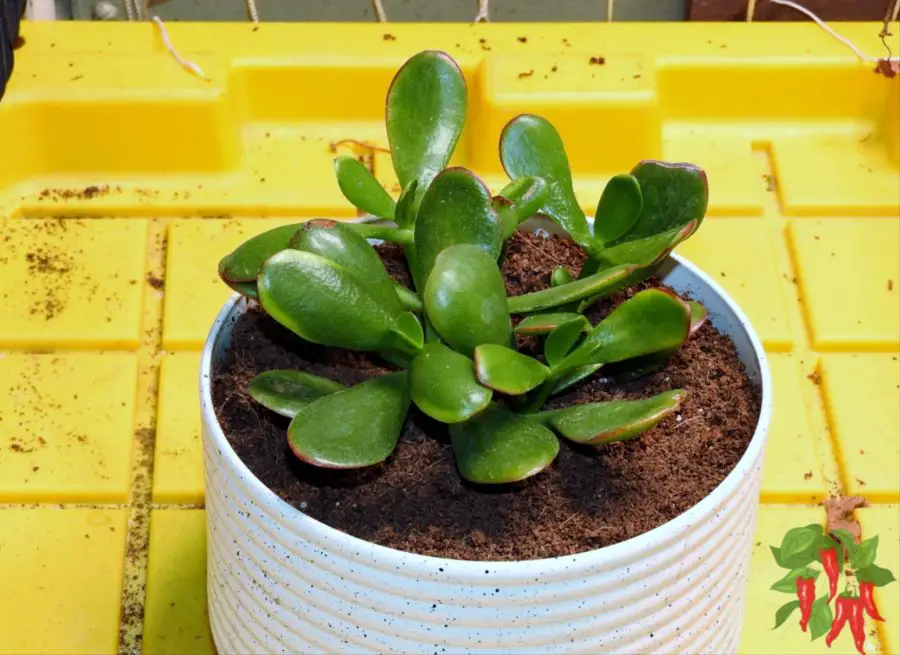
Jade plants can live for decades and eventually develop a thick, tree-like trunk. Indoors they grow slowly, which makes them easy to shape and keep in containers. They’re a great choice if you want a “bonsai-like” succulent without the fuss.
- 🌞 Light: Bright light or a sunny east/south window. They appreciate a few hours of direct sun.
- 💧 Water: Deep soak, then dry completely—often every 3–4 weeks indoors.
- 🌱 Soil: Gritty cactus mix with extra perlite or pumice.
- 🪴 Pots: Heavier pots help support the top growth; terracotta works very well.
- ⚠️ Common Mistakes: Overwatering, using moisture-retentive potting soil, and keeping it far from windows, which causes leggy, weak growth.
3. Aloe Vera – Useful, Tough, and Great in Bright Light

Aloe vera is both ornamental and practical. The gel inside the leaves is often used for minor skin irritation, and the plant itself is extremely drought-tolerant. It loves bright light and is a good fit for a sunny windowsill.
- 🌞 Light: Bright, indirect to direct light; south or west windows are ideal if the plant is acclimated.
- 💧 Water: Water deeply, then let the soil dry completely; usually every 3–4 weeks indoors.
- 🌱 Soil: Very fast-draining mix with plenty of perlite, pumice, or coarse sand.
- 🪴 Pots: Terracotta pots help prevent soggy roots and are perfect for aloe’s growth habit.
- ⚠️ Common Mistakes: Watering on a schedule instead of checking the soil, and leaving the plant in cold, drafty spots.
4. Zebra Plant (Haworthiopsis fasciata) – Striking Stripes, Easy Care

The Zebra Plant looks like a tiny, spiky sculpture with bold white stripes. It’s closely related to Haworthia and just as beginner-friendly. It stays compact and tolerates some neglect without losing its charm.
- 🌞 Light: Bright indirect light or filtered sun; great for bright rooms where direct sun is limited.
- 💧 Water: Every 2–3 weeks, allowing the mix to dry fully.
- 🌱 Soil: Cactus mix with extra grit so water drains quickly.
- 🪴 Pots: Small pots with drainage; shallow containers work fine since roots are not very deep.
- ⚠️ Common Mistakes: Overcrowding in decorative pots without drainage and keeping soil damp for long periods.
5. Echeveria – Rosette Beauty for Bright Light

Echeveria are the classic rosette succulents you see in photos and garden centers. Indoors, they need stronger light to stay compact and colorful, but they’re still manageable for beginners if you have a bright window or grow light.
- 🌞 Light: Bright, direct sun for a few hours or strong LED grow lights to prevent stretching.
- 💧 Water: Soak the soil and let it dry; avoid getting water trapped in the rosette center.
- 🌱 Soil: Very gritty succulent mix with extra perlite or pumice.
- 🪴 Pots: Low, wide pots with drainage holes, which showcase the rosette shape.
- ⚠️ Common Mistakes: Growing them in low light (causes tall, floppy growth) and watering into the rosette repeatedly, which can cause rot.
6. Gasteria – Thick, Tongue-Shaped Leaves for Low-Light Space
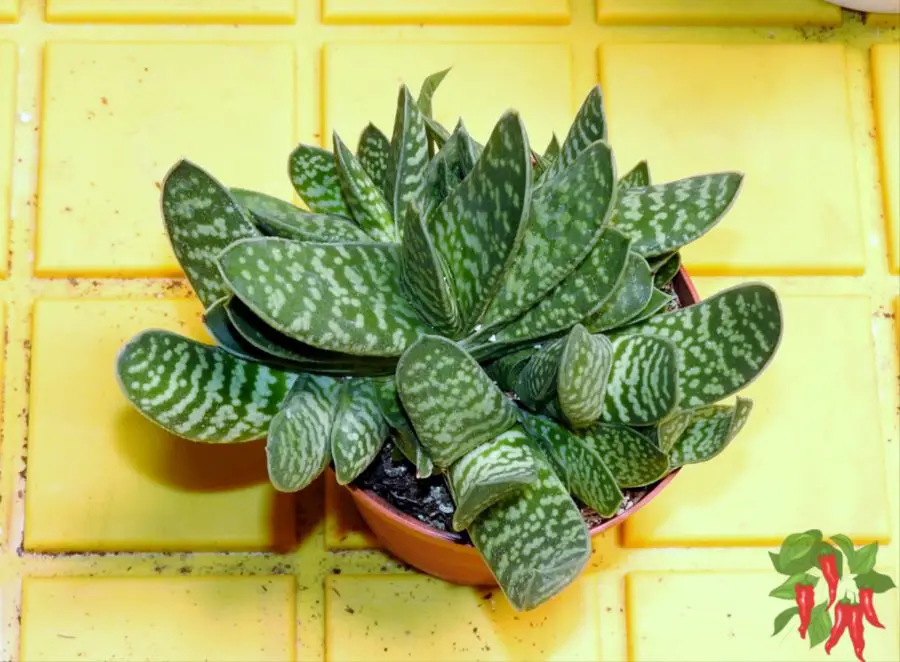
Gasteria is one of the best succulents for lower light conditions. Its thick, tongue-like leaves grow slowly and can handle bright rooms that don’t get much direct sun. It’s especially good for offices and north-facing windows.
- 🌞 Light: Medium to bright indirect light; tolerates less sun than most succulents.
- 💧 Water: Water sparingly every 3 weeks or so, depending on your conditions.
- 🌱 Soil: Fast-draining mix; it dislikes “wet feet.”
- 🪴 Pots: Small terracotta or ceramic pots with good drainage.
- ⚠️ Common Mistakes: Treating it like a tropical plant—too much water and too little drainage will quickly cause rot.
7. Panda Plant (Kalanchoe tomentosa) – Fuzzy and Surprisingly Tough

The Panda Plant has soft, fuzzy silver leaves edged with brown or chocolate markings. It’s a favorite for kids and adults alike and does very well in pots indoors, as long as you don’t overwater it.
- 🌞 Light: Bright indirect light to some gentle direct morning sun.
- 💧 Water: Allow the soil to dry completely; water every 2–3 weeks or longer in cool seasons.
- 🌱 Soil: Light, airy cactus mix; avoid heavy soils that stay damp.
- 🪴 Pots: Pots with drainage are essential; shallow pots work well for smaller plants.
- ⚠️ Common Mistakes: Wetting the fuzzy leaves repeatedly, using dense potting soil, and keeping it in very low light.
8. Burro’s Tail (Sedum morganianum) – Trailing, Delicate, and Stunning
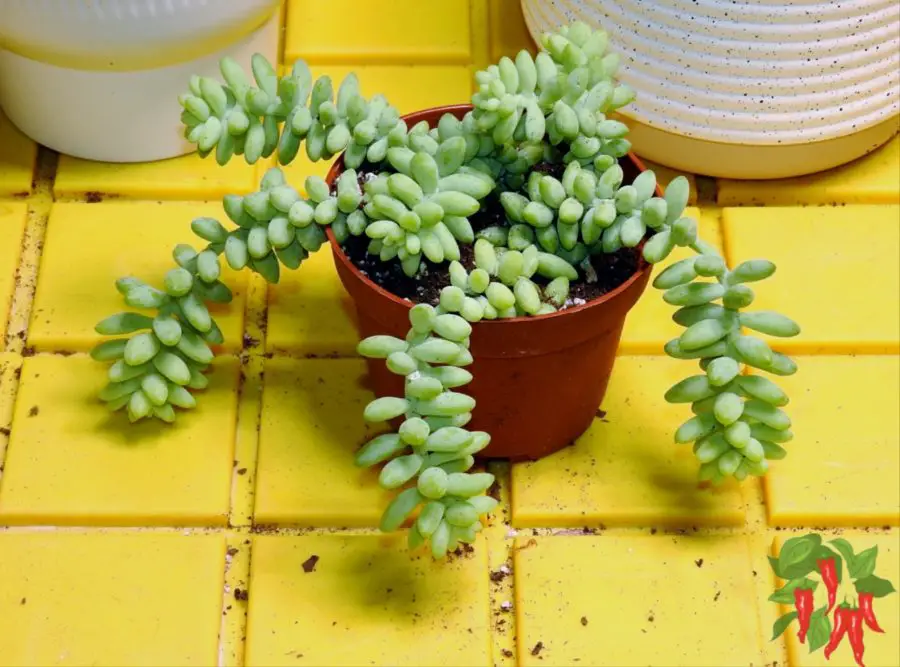
Burro’s Tail is a hanging succulent with trailing stems covered in bead-like leaves. It’s tougher than it looks, but the leaves fall off easily, so it’s best placed where it won’t be bumped.
- 🌞 Light: Bright light with some gentle direct sun; east windows are excellent.
- 💧 Water: Water when the soil is fully dry; slightly less often than many upright succulents.
- 🌱 Soil: Gritty, fast-draining succulent mix.
- 🪴 Pots: Hanging baskets or high shelves with drainage; avoid moving the pot frequently.
- ⚠️ Common Mistakes: Handling the plant too much (causing leaf drop) and overwatering in cool, low-light conditions.
9. Christmas Cactus (Schlumbergera) – Tropical, Pet-Safe Bloomer

Christmas Cactus is technically a tropical succulent from forest environments, but it still stores water and thrives indoors. It’s pet-safe and known for its gorgeous winter blooms when given the right light and day length.
- 🌞 Light: Bright indirect light; it prefers light that is filtered rather than harsh midday sun.
- 💧 Water: Water when the top inch of soil is dry; it likes slightly more moisture than desert succulents but still hates soggy soil.
- 🌱 Soil: Well-draining mix, often with some peat or coco coir plus perlite.
- 🪴 Pots: Pots with drainage; hanging pots or pedestal pots show off the arching stems.
- ⚠️ Common Mistakes: Letting it sit in water, placing it near heat vents, or moving it frequently when buds are forming.
10. Snake Plant (Sansevieria trifasciata) – Nearly Indestructible
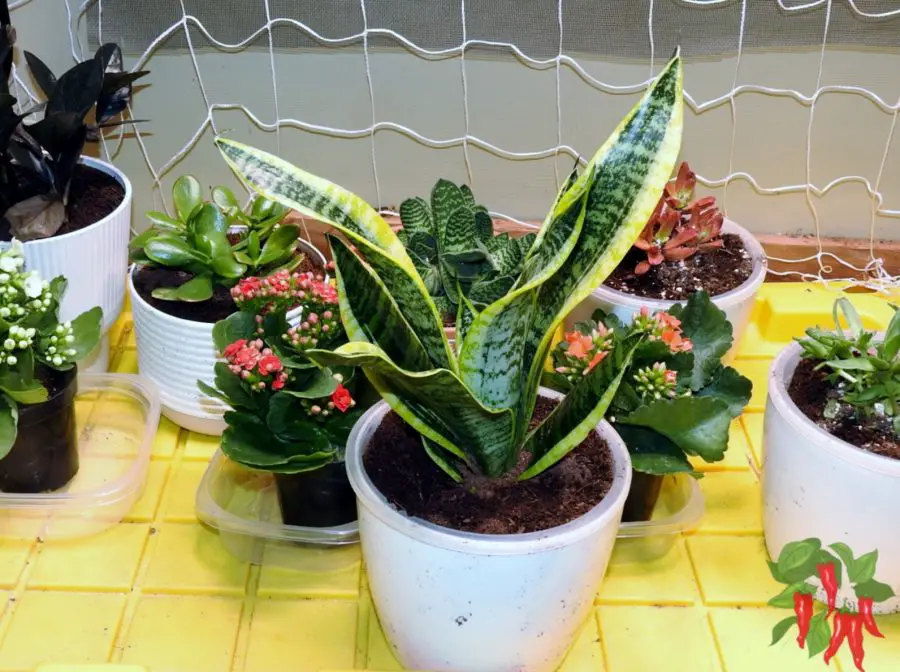
Snake Plant is famous for being almost impossible to kill. It tolerates low light, infrequent watering, and general neglect better than almost any other houseplant, succulent or not.
- 🌞 Light: Low to bright indirect light; it will survive in low light but grows best with more brightness.
- 💧 Water: Water every 3–4 weeks or even less; snake plants are very drought-tolerant.
- 🌱 Soil: Fast-draining mix; a blend of cactus mix and regular potting soil plus perlite works well.
- 🪴 Pots: Sturdy pots with drainage; tall pots help balance taller foliage.
- ⚠️ Common Mistakes: Overwatering and leaving water in saucers, which leads to root rot.
11. String of Pearls (Senecio rowleyanus) – Unique, Trailing Beads
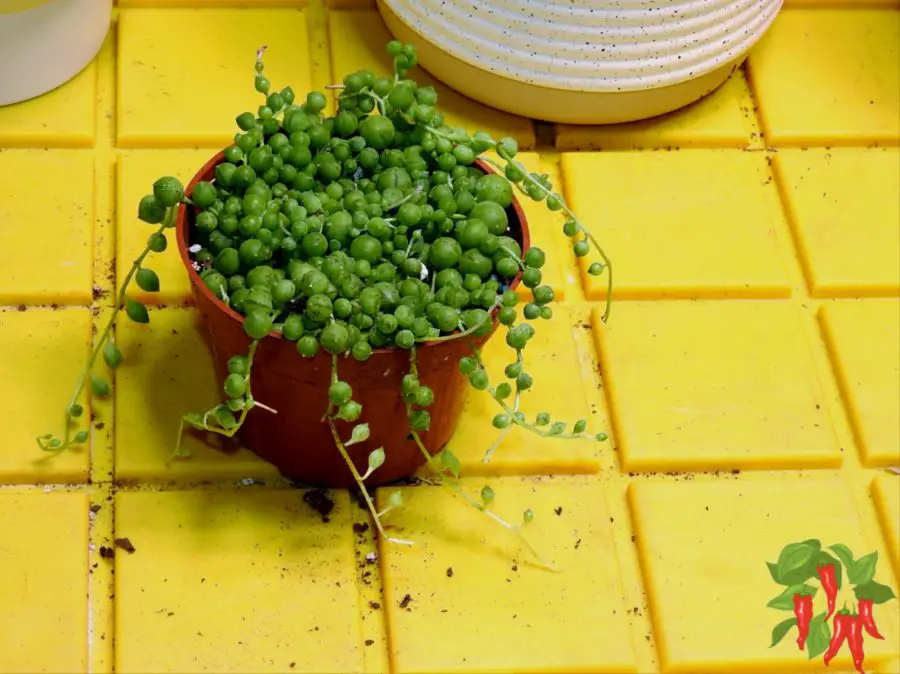
String of Pearls has long, trailing stems covered in bead-like leaves that really stand out in hanging pots. It likes bright light and good airflow, but once you dial in the care, it’s a fun and dramatic beginner succulent.
- 🌞 Light: Bright indirect light to some direct morning sun; avoid intense afternoon sun behind glass.
- 💧 Water: Water thoroughly, then allow to dry; it prefers slightly more frequent watering than very thick-leaved succulents.
- 🌱 Soil: Light, airy succulent mix with added perlite or pumice.
- 🪴 Pots: Hanging pots with drainage or elevated containers that allow the strands to cascade.
- ⚠️ Common Mistakes: Keeping the soil soggy, growing it in dim light, or placing it in still, very humid air.
12. Crown of Thorns (Euphorbia milii) – Tough, Thorny, and Flowering

Crown of Thorns produces small, colorful flowers over much of the year when given enough light. It’s extremely tolerant of dry indoor air and bright sun, making it a good choice for sunny windows.
- 🌞 Light: Bright light with several hours of direct sun for best flowering.
- 💧 Water: Water when the soil is fully dry; less often in winter.
- 🌱 Soil: Gritty, sandy mix that drains very quickly.
- 🪴 Pots: Terracotta or other breathable pots with drainage.
- ⚠️ Common Mistakes: Overwatering, placing it where people or pets might brush against the thorns, and ignoring the milky sap (which can be irritating to skin and eyes).
13. Lithops (Living Stones) – Fascinating but Advanced for Watering

Lithops are tiny succulents that look like living pebbles. They’re fascinating and can be grown indoors, but their watering schedule is very different from typical houseplants. They’re best for beginners who like a challenge and are willing to research their seasonal dry periods.
- 🌞 Light: Bright light with some direct sun; they need strong light to stay compact.
- 💧 Water: Very sparingly; they go through dry rests and specific watering seasons.
- 🌱 Soil: Extremely gritty, almost pure mineral mix with very little organic matter.
- 🪴 Pots: Shallow pots with excellent drainage.
- ⚠️ Common Mistakes: Treating them like regular succulents, watering out of season, and using rich soil that stays wet.
14. Kalanchoe blossfeldiana – Colorful, Flowering Succulent
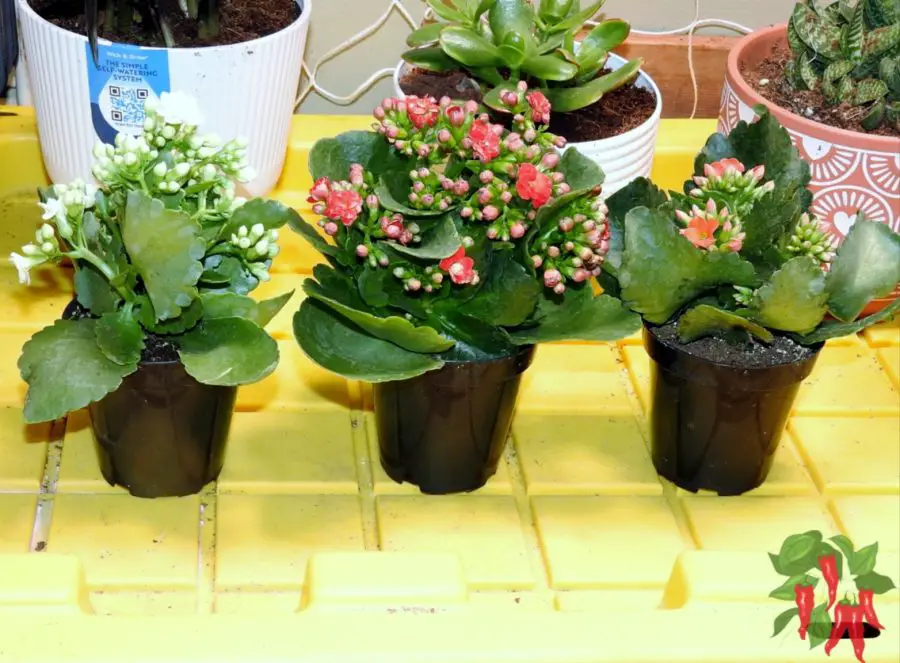
Kalanchoe blossfeldiana produces clusters of bright flowers in red, pink, yellow, orange, or white. It’s widely sold as a gift plant and actually makes a pretty solid indoor succulent once you learn to let it dry between waterings.
- 🌞 Light: Bright indirect light to some gentle direct morning sun for best flowering.
- 💧 Water: Water thoroughly, then let the soil dry before watering again.
- 🌱 Soil: Standard cactus mix amended with perlite or pumice.
- 🪴 Pots: Pots with drainage holes; remove decorative cachepots when watering so excess water can drain away.
- ⚠️ Common Mistakes: Treating it like a constantly moist flowering houseplant and growing it in dim rooms where it becomes weak and leggy.
15. Sedum rubrotinctum (Jelly Bean Plant) – Fun, Colorful Leaves

The Jelly Bean Plant has small, plump leaves that can turn red or bronze in bright light. It’s a playful, colorful option for sunny windows and does well in containers with other succulents.
-
- 🌞 Light: Bright light with some direct sun; the more light, the more intense the color.
- 💧 Water: Water when the soil is dry; slightly more often in active growth, less in winter.
- 🌱 Soil: Gritty, fast-draining succulent mix.
- 🪴 Pots: Small pots with drainage; rock gardens and shallow bowls work nicely.
- ⚠️ Common Mistakes: Keeping it in low light (which dulls color and stretches growth) and overwatering in cool temperatures.
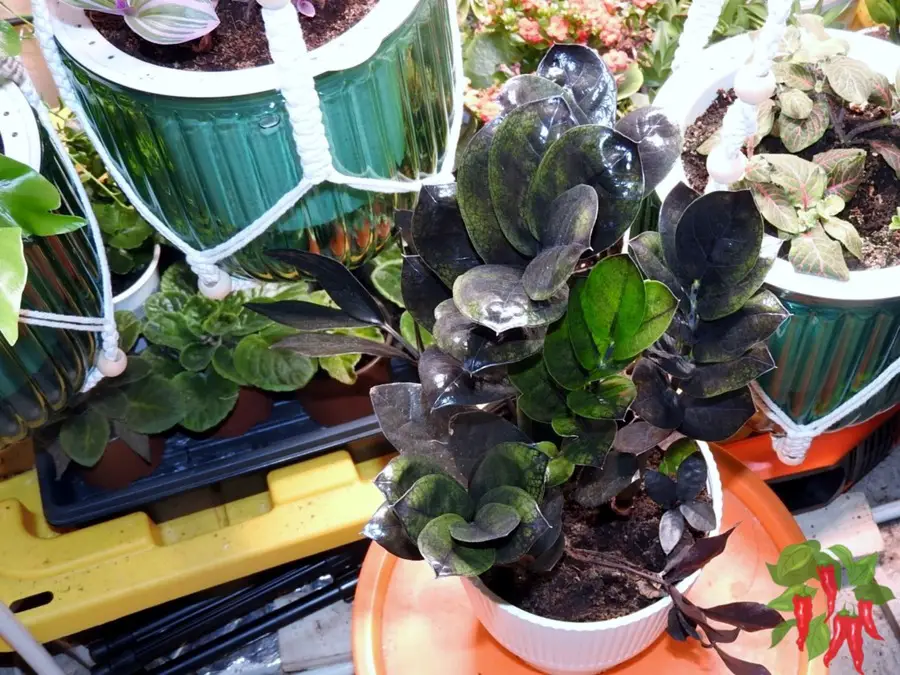
16. ZZ Plant (Zamioculcas zamiifolia) – Low-Light, Nearly Indestructible
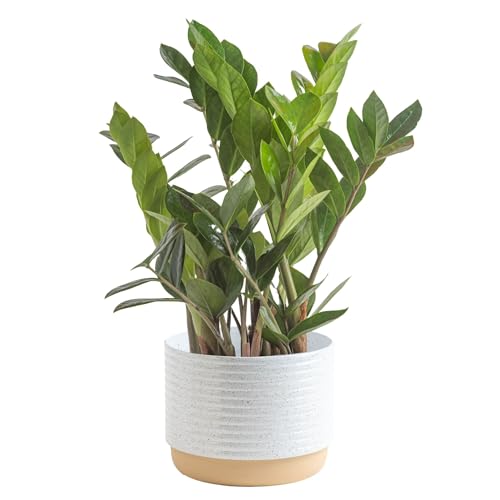
The ZZ Plant isn’t a true succulent, but it behaves like one indoors thanks to its thick, water-storing rhizomes and tough, glossy leaves. It’s famous for handling neglect, dry air, and lower light better than almost any other houseplant, which makes it a fantastic choice for beginners who want something nearly indestructible.
-
-
- 🌞 Light: Tolerates low to medium light but grows best in bright, indirect light. It can live away from windows, but a brighter spot keeps growth fuller and healthier.
- 💧 Water: Follow a strict soak-and-dry routine. Water deeply, then allow the soil to dry completely; indoors this often means every 3–4 weeks. ZZ Plants would rather be too dry than too wet.
- 🌱 Soil: Use a fast-draining mix such as cactus soil blended with extra perlite or pumice so water moves quickly through the root zone and doesn’t stay soggy around the rhizomes.
- 🪴 Pots: Choose sturdy pots with drainage holes. Terracotta is ideal because it helps the mix dry faster, which pairs perfectly with the ZZ Plant’s drought-tolerant nature.
- ⚠️ Common Mistakes: Overwatering (the number-one killer), using dense moisture-retentive potting soil, and placing the plant in deep, dark corners with almost no light. Also note that ZZ Plants are toxic if chewed, so keep them out of reach of pets and small children.
-
🌥️ Best Succulents for Low-Light Indoors
Most succulents need strong sun, but a few adapt better to moderate light:
- Haworthia — the #1 low-light pick
- Gasteria — thrives even with indirect daylight
- Zebra Plant — handles bright rooms without direct sun
- Snake Plant — handles low light well
If you want rosette succulents, consider adding a small LED grow light to prevent stretching.
🪴 Best Small/Tabletop Succulents
If you want compact plants for desks, kitchen shelves, or windowsills, these stay small and cute for years:
- Mini Haworthia clusters
- Young Jade plants
- Small Echeveria varieties
- Panda Plant (great for small pots)
- Zebra Plant
They thrive in 2–4″ pots and grow slowly enough to stay tidy long-term.
💧 How to Water Indoor Succulents the Right Way
This is where most beginners struggle—but watering succulents is easier than you think.
✅ The Soak-and-Dry Method
- Water deeply until liquid drains from the bottom
- Let soil dry completely before watering again
- Check soil 1–2″ deep before watering
✅ How to Tell When They’re Thirsty
- Leaves wrinkle or feel soft
- Plant looks slightly deflated
- Soil pulls away from the edges of the pot
✅ Signs of Overwatering
- Mushy leaves
- Black spots
- Leaves falling off while still firm
🌱 Soil & Pots: The Most Important Part of Succulent Care
Succulents die from too much water—not too little. That’s why the right soil and pot matter more than anything else.
✔ Best Soil Mix
- 40% cactus mix or coco coir
- 40% perlite or pumice
- 20% coarse sand
This creates fast drainage and prevents root rot.
✔ Best Pots for Succulents
- Terracotta — the best option for beginners
- Ceramic with drainage holes
- Plastic with drainage holes, but dries more slowly
- Avoid: pots with no drainage
🌞 Light Requirements
Succulents love bright light, and giving them enough is key to keeping them compact and colorful.
☀️ Best Places Indoors
- South-facing windows
- East-facing windows
- Under LED grow lights
🔅 Signs They Need More Light
- Stretched or elongated growth
- Fading color
- Leaning toward sunlight
⚠️ Common Beginner Mistakes
- Watering too often
- Using moisture-retaining soil
- Growing in low light without a grow light
- Pots with no drainage
- Misting succulents (not helpful indoors)
🔗 Helpful Internal Links
- How to Care for Jade Plant
- Aloe Vera Indoor Care Guide
- Echeveria Care Indoors
- Haworthia Care Tips
- ZZ Plant Care Indoors
- Indoor Snake Plant Care
❓ Best Indoor Succulents for Beginners FAQs
What are the best indoor succulents for beginners?
Some of the best indoor succulents for beginners include Haworthia, Jade Plant, Aloe Vera, Gasteria, Zebra Plant, Panda Plant, Snake Plant, and Christmas Cactus. These varieties are more forgiving of missed waterings and adapt well to typical home conditions.
How often should I water indoor succulents?
Most indoor succulents do best with watering every 2–3 weeks. Always follow the soak-and-dry method: water deeply, let excess drain, then wait until the soil is completely dry before watering again.
Do indoor succulents need direct sunlight?
Many indoor succulents prefer bright, indirect light, but some enjoy a few hours of direct morning or late afternoon sun. South- or east-facing windows are usually ideal. If plants stretch or lean, they likely need more light or a small grow light.
Can succulents grow in low light indoors?
A few succulents tolerate lower light, such as Haworthia, Gasteria, Zebra Plant, and Snake Plant. They won’t grow as fast or as colorful as they would in brighter light, but they can still survive and look good in bright rooms without direct sun.
What soil is best for indoor succulents?
The best soil for indoor succulents is a fast-draining mix, such as cactus soil blended with extra perlite or pumice. This prevents water from sitting around the roots and dramatically reduces the risk of rot.
Do indoor succulents need pots with drainage holes?
Yes. Pots with drainage holes are essential for indoor succulents. Without drainage, extra water gets trapped at the bottom, which often leads to root rot, fungus, and declining plants.
Are indoor succulents safe for pets?
Some succulents, like Christmas Cactus and certain Haworthias, are considered non-toxic to pets, while others, such as Jade Plant and Crown of Thorns, can be toxic if chewed. Always check the specific variety and keep questionable plants out of reach of curious pets.
Why are my succulents stretching or getting tall and leggy?
Stretching, also called etiolation, happens when succulents don’t receive enough light. The plant grows tall and thin as it reaches toward the light source. Move it closer to a bright window or use a grow light to help new growth stay compact.
Do indoor succulents need fertilizer?
Succulents don’t need much fertilizer, but a light feeding during spring and summer can support healthy growth. Use a diluted, balanced or succulent-specific fertilizer once a month and skip feeding during fall and winter.
🌵 Indoor Succulents for Beginners: Conclusion
Succulents are some of the easiest and most rewarding indoor plants you can grow. Whether you’re working with a bright windowsill, a small desk, or a simple LED grow light, these plants thrive with minimal fuss and bring a ton of visual charm to any room.
Start with a few forgiving varieties like Haworthia, Jade, Gasteria, or Aloe. Give them bright light, fast-draining soil, and the soak-and-dry watering method—and you’ll have a thriving indoor succulent collection in no time.
As you gain experience, try new shapes, colors, and sizes. Succulents are endlessly collectible, and growing them is a hobby that’s fun, relaxing, and perfect for beginners.
📚 References
- University of Minnesota Extension – Cacti & Succulents Care Guide
- South Dakota State University Extension – How to Care for Succulents Indoors
- Iowa State University Extension – Growing Succulents Indoors
- Montana State University Extension – Succulent Care Guide
- University of Illinois Extension – Growing Succulents: Beyond the Basics