
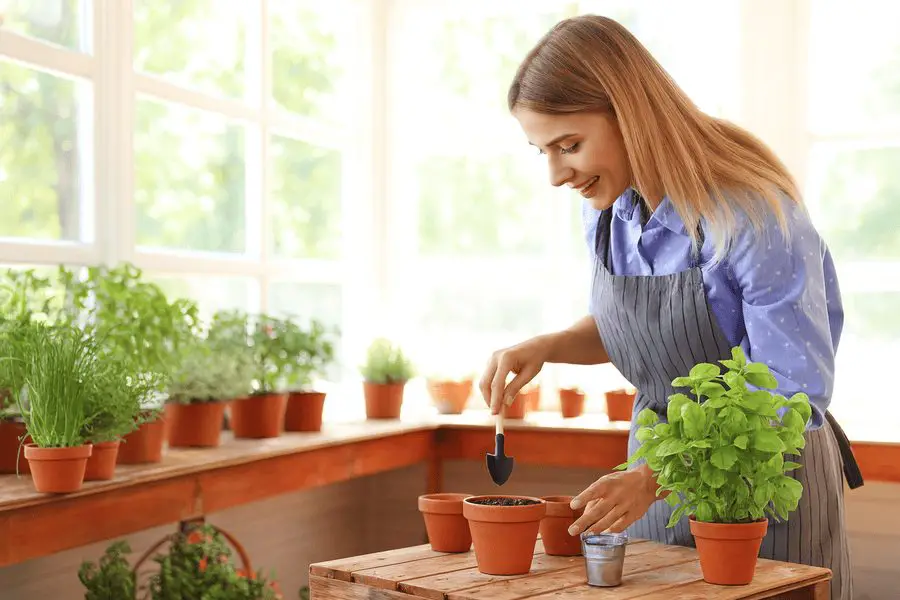
If you’ve been craving fresh flavor but only have a tiny kitchen or one good windowsill to work with, you’re going to love how simple it is to grow your own herbs indoors.
In this guide to the Best Herbs to Grow in Small Apartments, you’ll see just how easy it is to turn tight spaces into productive little gardens that fit your lifestyle.
Whether you cook every day or just want a bit of greenery to brighten up your home, you’ll find beginner-friendly herbs that thrive with minimal effort. Let’s get you growing!
What You’ll Learn 🌱
- ✅ Which herbs are easiest to grow in a small apartment
- ✅ How to match herbs to your light and space (even low-light corners)
- ✅ Simple soil, pot, and watering tips for healthy indoor herbs
- ✅ How to harvest without killing your plant
- ✅ Answers to common beginner questions about indoor herb growing
🌿 Best Herbs to Grow in Small Apartments

If you’ve ever grabbed a sad, expensive bunch of herbs from the store and thought, “There has to be a better way,” you’re in the right place.
You don’t need a big backyard or fancy setup to grow fresh herbs.
With a few smart choices and a bit of light, you can turn your small apartment into a mini herb garden that actually fits your space and your life.
🏠 Why Herbs Are Perfect for Small Apartments
Herbs are one of the most rewarding plants you can grow indoors. They don’t need huge pots, they grow fast, and you get something you can actually use in your kitchen.
Even if all you have is a bright windowsill or a little corner for a grow light, you can still grow a surprising amount of fresh flavor.
✨ Big benefits in a tiny footprint
- 🌿 Fresh flavor on demand — snip what you need, when you need it.
- 💸 Save money over store-bought bunches that spoil in days.
- 🍳 Make everyday meals feel “restaurant level” with a few fresh leaves.
- 🏡 Add greenery and life to small spaces without taking over the room.
- 🧺 Less waste — you harvest a little at a time instead of tossing wilted herbs.
🌞 How indoor growing is a bit different
Growing herbs indoors is simple once you know the basics, but it is slightly different from outdoor gardening. Indoors, you control almost everything — light, water, and pot size. That’s great news in a small apartment, as long as you understand what your plants need:
- 🔆 Light is the #1 limiting factor. Most herbs need several hours of bright light each day.
- 🪴 Containers must drain well so roots don’t sit in water.
- 🌱 Potting mix should be light and well-draining, not dense garden soil.
- ✂️ Regular trimming keeps plants bushy and stops them from getting leggy and weak.
🧭 Step One: Choose Herbs That Match Your Light and Lifestyle
Before you buy every herb in sight, it helps to think about two things: how much light you actually have, and how you cook.
You’ll be much happier if you start with a small “core herb set” that fits your space and your habits.
💡 Check your light honestly
- 🌅 South or west-facing window: Great for sun-loving herbs like basil, rosemary, and thyme.
- 🌤️ East-facing window: Good morning light, fine for many leafy herbs like chives and parsley.
- 🌥️ North-facing window: Usually lower light — better for tougher herbs like mint and chives, plus a small grow light if possible.
If your apartment is on the darker side, don’t worry. You can still grow herbs. You’ll just choose more forgiving plants and consider a simple grow light later if you want to expand.
🍽️ Think about how you cook
- 🥗 Love salads, eggs, and potatoes? Try chives, parsley, and chervil (if you can find it).
- 🍝 Cook a lot of Italian-style dishes? Go for basil, oregano, thyme, and sage.
- 🌮 Big on tacos, curries, and fresh salsas? Start with cilantro, green onions, and mint.
- 🍵 Enjoy teas and fresh drinks? Mint, lemon balm, and chamomile are great picks.
Start with 3–5 herbs you actually use regularly. You can always add more once you see what thrives in your space.
🌱 Easiest Herbs to Grow in Small Apartments
These herbs are popular because they’re forgiving, compact, and well-suited to small pots and windowsills. You don’t have to grow them all — pick a mix that fits your cooking style and light conditions.
👍 Super beginner-friendly herbs
Chives

- 🌱 Compact and happy in small pots.
- 🔆 Handles moderate light better than many herbs.
- 🍳 Perfect for eggs, potatoes, salads, and soups.
- ✂️ To harvest, simply snip leaves near the base and they’ll regrow.
Mint

- 💪 Very forgiving and fast-growing — great confidence booster.
- 🌤️ Tolerates less-than-perfect light, especially in a bright room.
- 🍵 Excellent for teas, drinks, desserts, and garnishes.
- ⚠️ Give mint its own pot — it can crowd out other herbs.
Parsley

- 🌿 Flat or curly types both work well indoors.
- 🔆 Likes bright light but doesn’t need blazing sun all day.
- 🍽️ Useful in almost every savory dish as a fresh finishing herb.
- ⏳ Grows a bit slower at first, then fills in nicely.
Cilantro

- 🌮 Great if you love tacos, curries, and fresh salsa.
- 🌤️ Prefers bright light but cooler temperatures if possible.
- ⏱️ Grows quickly but also bolts (flowers) quickly — plan on reseeding.
- 📦 You can do small, frequent sowings so you always have fresh leaves.
🌞 Herbs that love a sunny window
Basil
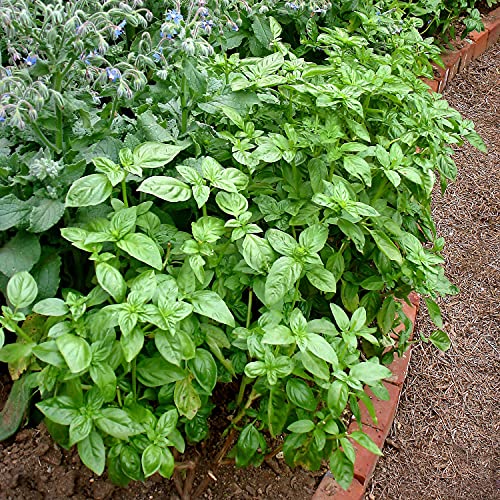
- 🍕 Classic for pasta, pizza, pesto, and salads.
- 🔆 Needs plenty of bright light and warmth.
- 💧 Likes evenly moist (but not soggy) soil.
- ✂️ Pinch off the tips often to keep plants bushy and prevent flowers.
Thyme
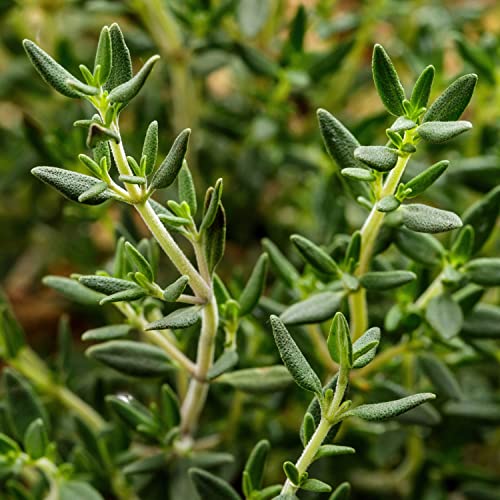
- 🪴 Naturally compact and great for small containers.
- 🌞 Prefers bright light and doesn’t like wet feet.
- 🍲 Adds depth to soups, stews, and roasted vegetables.
- 💧 Let the top of the soil dry out a bit between waterings.
Oregano

- 🍝 Wonderful in tomato sauces, casseroles, and roasted dishes.
- 🌞 Loves a bright, sunny spot and good drainage.
- 🪴 Slightly woody, so it’s well-behaved in a small pot.
- ✂️ Snip stems just above a leaf pair to encourage branching.
Sage

- 🍗 Delicious with roasted veggies, poultry, and hearty dishes.
- 🌞 Prefers lots of light and good airflow.
- 🪵 Woody as it matures, so give it a slightly bigger pot over time.
- 💧 Likes to dry a bit between waterings.
🌿 “Stretch” herbs once you’ve got the hang of it
Rosemary

- 🌞 Needs strong light and very well-draining soil.
- 💧 Hates to stay wet — overwatering is a common reason it dies indoors.
- 🍞 Fantastic with roasted potatoes, bread, and veggies.
- 🏺 Often does best in a clay pot that lets extra moisture escape.
Once you’re successful with the easier herbs, you can experiment with more unusual varieties like lemon balm, marjoram, or specialty basils. Just make sure each new herb gets the light and watering style it prefers.
🪴 Pots, Soil, and Setup for Small Apartments
🧂 Pick the right containers
- 🪴 Use pots with drainage holes — no exceptions.
- 📏 For most herbs, a 4–8 inch pot is enough and still fits on a windowsill.
- 🏺 Clay pots dry out faster (good for herbs that hate wet feet, like rosemary and thyme).
- 🧊 Avoid putting pots right against cold glass in winter or above hot radiators.
🌱 Choose a good potting mix
- 🧪 Use a high-quality, lightweight potting mix, not garden soil.
- 💨 Look for words like “well-draining” and “for containers” on the bag.
- 🧺 You can add a bit of perlite or coarse material to improve drainage if needed.
🚿 Watering without overdoing it
- ☝️ Check before watering — stick your finger into the soil about an inch.
- 💦 Water thoroughly until a little comes out the drainage holes, then empty the saucer.
- ⏳ Let the top of the soil dry slightly before watering again.
- ⚠️ Constantly wet soil = root rot, yellow leaves, weak plants.
💡 What if your apartment is dark?
- 💡 A simple LED grow light can make a huge difference.
- 📏 Hang or place it 6–12 inches above the plants, depending on the light.
- ⏲️ Aim for 12–16 hours of light per day if you’re relying on a grow light.
- 🌘 Turn it off at night so plants get a dark period, just like outdoors.
✂️ Harvesting, Pruning, and Keeping Herbs Bushy
Harvesting is not just about getting herbs for your dinner — it’s also how you shape the plant. Done right, trimming actually makes herbs fuller and healthier.
🔪 Basic harvesting rules
- ✂️ Use clean scissors or pruners to avoid tearing stems.
- 📏 Don’t remove more than one-third of the plant at a time.
- 🌿 On leafy herbs like basil and mint, cut just above a pair of leaves.
- 🔁 Harvest small amounts more often instead of one big chop.
🌳 How to prevent leggy, weak plants
- 🔁 Rotate pots every few days so all sides get light.
- ✂️ Regularly pinch off long, stretchy stems to encourage branching.
- 🌞 If plants keep stretching toward the window, they may need more light.
- 🧺 Avoid over-fertilizing — too much fertilizer can create lush but weak growth.
🧩 Troubleshooting Common Indoor Herb Problems
Even with good care, herbs can throw you a curveball now and then. Here are some quick checks to help you figure out what’s going on.
- 🍂 Yellowing leaves: Often from overwatering or poor drainage. Check the pot’s holes and let the soil dry more between waterings.
- 📏 Leggy, floppy stems: Usually not enough light. Move closer to a window or add a grow light.
- 🧐 Slow growth: Normal in winter or low light. Light feeding with a balanced fertilizer every few weeks in spring/summer can help.
- 🐛 Tiny bugs on leaves: Rinse plants gently in the sink and check frequently. If needed, use a gentle insecticidal soap labeled for edible plants.
- 😵 Herb suddenly dies: Often from root rot or extreme temperature changes. Try again with better drainage and avoid drafts or hot vents.
FAQ: Growing Herbs in Small Apartments
Here are answers to common questions beginners ask when starting an indoor herb garden in a small space.
Q: Which herbs are easiest to grow indoors for beginners?
A: Herbs like chives, mint, parsley, oregano, and cilantro are great starter plants. They tolerate minor mistakes, grow well in small pots, and fit easily on a windowsill or small shelf.
Q: How much light do indoor herbs need?
A: Most herbs do best with at least five to six hours of bright light each day. A sunny south or west-facing window is ideal. If your home is darker, combining a window with a simple LED grow light can really help.
Q: Can I grow multiple herbs in one pot?
A: You can, but it is usually easier to give each herb its own pot. Different herbs like different watering schedules, and some, like mint, can quickly take over and crowd out others.
Q: How often should I water indoor herbs?
A: Water when the top inch of soil feels dry to the touch. Water thoroughly, let the extra drain away, and avoid letting pots sit in standing water. Overwatering is one of the most common problems for indoor herbs.
Q: Do I need to fertilize indoor herbs?
A: Light feeding can help, but less is more. During active growth in spring and summer, you can use a balanced, water-soluble fertilizer at half strength every few weeks. Most herbs do not need heavy fertilizing.
Q: What can I do if my apartment has very little natural light?
A: Choose herbs that tolerate lower light, such as mint and chives, and consider using a small LED grow light. Place the light close to the plants and keep it on for 12 to 16 hours a day for steady growth.
🌟 Conclusion: Your Tiny Herb Garden Starts Here

You do not need a greenhouse, a backyard, or a huge budget to enjoy fresh herbs.
With a few small pots, a decent window, and some simple routines, you can grow your own flavor right in your apartment.
Start with easy, forgiving herbs like chives, parsley, and mint. Once you see how well they do, add sun-lovers like basil, oregano, or thyme.
Pay attention to light, let the soil dry a bit between waterings, and harvest often to keep plants fresh and bushy.
Soon you will be grabbing a handful of homegrown herbs instead of a plastic-wrapped bunch from the store, and your small apartment will feel just a little greener, fresher, and more alive.
Happy growing! 🌱