
This post may contain affiliate links. If you buy something from one of our links we may earn a commission. Thanks
🛀 If your bathroom feels a little plain and you want greenery that won’t put your pets at risk, you’re in the right place.
In this guide, you’ll discover Bathroom Plants Safe for Cats and Dogs that thrive in humidity, handle low or filtered light, and add fresh life to your space without any worry.
What You’ll Learn 🚿 🎁
- 🌿 Which bathroom-friendly plants are considered safer for cats and dogs
- 🚿 Why bathrooms can be perfect for humidity-loving plants (and when they’re not)
- 💡 How to handle low or no bathroom windows with pet-safe plants and grow lights
- 🐾 The difference between “pet-safe” and “not a free salad bar”
- 🪴 Simple placement tips to keep plants off wet floors and away from curious mouths
- 🧼 How to avoid moldy soil, smelly pots, and slippery leaves
- ❓ Clear answers to common questions about pets, bathrooms, and plants
Bathroom Plants Safe for Cats and Dogs 🚿🐾🌿
You’d love to turn your bathroom into a mini spa with plants—but you’ve also got curious cats and dogs who like to explore every corner. Sound familiar?
“What plants can I grow in my bathroom that are safe for pets and like humidity?”
The good news is you absolutely can enjoy lush, steamy bathroom greenery and keep your pets safe.
The trick is picking bathroom plants safe for cats and dogs that enjoy humidity, can handle lower or filtered light, and won’t cause serious trouble if someone decides to take a nibble.
In this guide, you’ll learn which plants actually like bathroom conditions, how to place them so they thrive, and how to keep the whole setup pet-friendly and low-stress.
Bathroom Environment 101: Light, Humidity, and Pets 🚿
Before you bring plants into the bathroom, it helps to understand what makes this room different from the rest of your home. Some plants love it, others absolutely hate it.
Humidity: A big win for the right plants
- Showers and baths naturally raise the humidity in your bathroom.
- Many tropical houseplants actually prefer this extra moisture in the air.
- If your other rooms feel dry, the bathroom might be the best spot for moisture-loving greens.
Light: Frosted windows, tiny windows, or no windows at all
- A bathroom with a decent window can give you bright, indirect light—perfect for many ferns and palms.
- Small or frosted windows often mean low to medium light, depending on direction and obstructions.
- If you have a completely windowless bathroom, you’ll need a small grow light and the door left open regularly for air circulation.
Pets in the bathroom: what actually happens
- Cats hop on counters, window sills, and the back of the toilet. Any plant in those zones is fair game for chewing and batting.
- Dogs may drink from the toilet, lick condensation, or sniff around floor-level pots.
- Because bathrooms are small, your pet is often closer to any plant you put in there—so pet-safe choices really matter.
What “Bathroom Plants Safe for Cats and Dogs” Really Means 🧠
You’ll see a lot of lists online for “best bathroom plants,” but many of them recommend species that are toxic to pets. Let’s quickly define what we’re aiming for here.
Toxic vs non-toxic vs “low-risk”
- Non-toxic / pet-safe: Not expected to cause serious poisoning if your cat or dog takes a small nibble. Your pet may still get mild stomach upset from eating any plant material.
- Toxic: Known to cause issues like vomiting, drooling, diarrhea, heart problems, or worse if eaten.
- Low-risk: Generally considered safer, but still not intended as a snack and should be kept out of heavy chewing zones.
In a small room like a bathroom, where your pet may be stuck for a bit while you get ready or clean, it’s especially important to stick as closely as you can to the non-toxic / pet-safe side of things.
Extra bathroom-specific hazards
- Wet floors + fallen leaves can make a slippery mess.
- Standing water in saucers or trays can lead to mold and fungus gnats.
- Hanging plants above toilets or litter boxes invite cats to jump up and investigate.
How to Choose Bathroom Plants Safe for Cats and Dogs ✅
Before we get into specific plants, it’s helpful to know what you’re looking for when you’re shopping or rearranging.
Green flags: good traits for bathroom plants
- ✅ Commonly listed as non-toxic to cats and dogs by trusted resources.
- ✅ Comfortable in higher humidity—they won’t sulk after every shower.
- ✅ Can handle low to medium light or bright, indirect light, depending on your window.
- ✅ Compact or manageable size so they don’t block your mirror or take over a tiny room.
Red flags: what to avoid in pet homes
- ❌ Popular bathroom plants like pothos, peace lily, philodendron, snake plant, and aloe—great for people, not so great for pets.
- ❌ Very spiny cacti or plants with razor-sharp edges at pet height.
- ❌ Plants that need constant fussing if you know you’re a “water when I remember” kind of gardener.
Match plants to your bathroom type
- Bathroom with a decent window: You can grow a wide range of humidity lovers—ferns, palms, Peperomia, orchids, some bromeliads.
- Bathroom with a small or north window: Focus on forgiving plants like cast iron plant, spider plant, and some ferns.
- Windowless bathroom: Choose tough, low-light-tolerant pet-safe plants, and add a small grow light on a timer. You’ll also want to leave the door open regularly for air exchange.
Best Bathroom Plants Safe for Cats and Dogs 🌿🚿
Here are some of the best options for turning your bathroom into a pet-safe, humidity-loving plant nook. Remember: even pet-safe plants are not snacks, but these are much better choices than many of the usual “bathroom plant” suspects.
Spider Plant (Chlorophytum comosum) 🕷️🌱

Spider plants are bathroom all-stars. They enjoy humidity, forgive the occasional missed watering, and send out adorable “spiderettes” that kids and adults love.
- Why it works in bathrooms: Handles the extra moisture in the air and does well in hanging baskets or on high shelves.
- Light: Bright, indirect light is ideal, but many spider plants will tolerate medium light near a smaller window.
- Water & humidity: Let the top of the soil dry slightly between waterings. Humidity helps, but don’t keep the soil soggy.
- Pet notes: Commonly listed as non-toxic to cats and dogs. Some cats love to swat at the babies, so hanging them up can be a good idea.
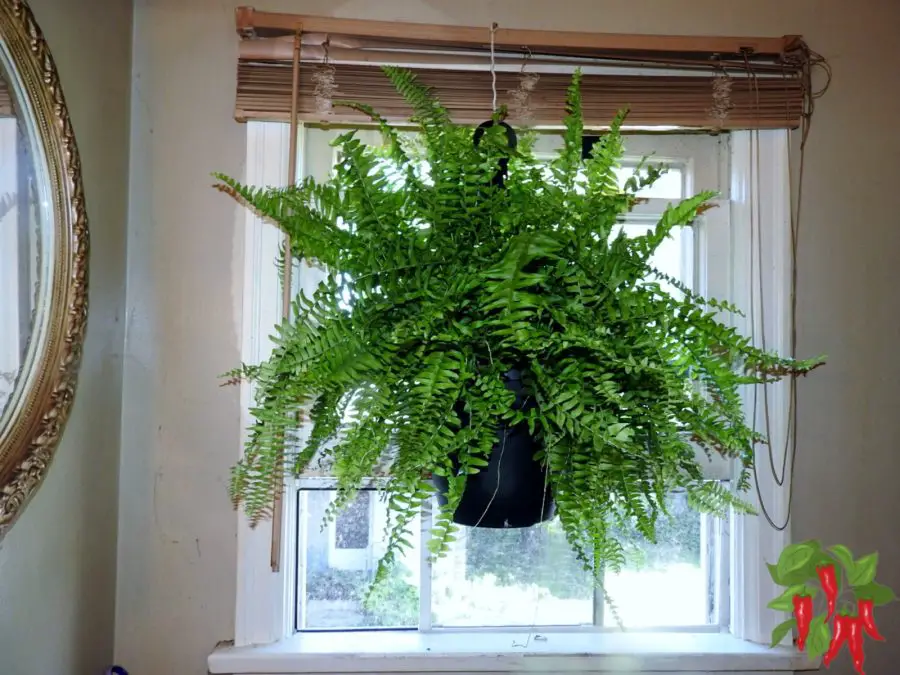
Boston Fern & Lemon Button Fern (Nephrolepis exaltata & N. cordifolia ‘Duffii’) 🌿

If your bathroom has at least some natural light, ferns can thrive there. Boston ferns give a big, fluffy look; lemon button ferns stay smaller and neater but still lush.

- Why they work in bathrooms: Naturally love moisture and higher humidity—bathrooms can mimic their native environments.
- Light: Bright, indirect light is best. In lower light, they may thin out a bit but can still survive if you don’t overwater.
- Water & humidity: They like consistently moist (not waterlogged) soil. Your showers help with humidity; just don’t turn the pot into a swamp.
- Pet notes: Frequently listed as non-toxic and pet-safe. Try hanging them or placing them on a stand so dogs don’t dig in the soil.
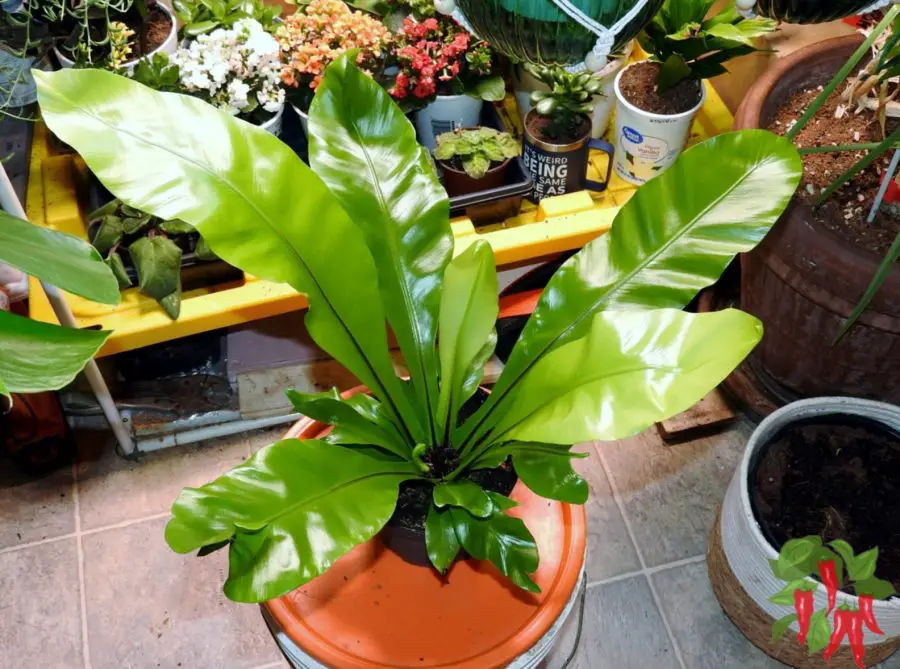
Bird’s Nest Fern (Asplenium nidus) 🪹

Bird’s nest ferns bring big, wavy, almost tropical leaves to your bathroom. They look especially dramatic in a simple pot where their rosette shape can shine.
- Why it works in bathrooms: Enjoys humidity and softer light, making it a natural fit for steamy rooms with filtered light.
- Light: Medium to bright, indirect light. Avoid harsh, hot sun directly on the fronds.
- Water & humidity: Keep the soil slightly moist and avoid watering directly into the center “nest” to prevent rot.
- Pet notes: Commonly included on pet-safe plant lists. Place it where large pets won’t knock the pot over.
Parlor Palm & Areca Palm (Chamaedorea elegans / Dypsis lutescens) 🌴

Palms bring a gentle, tropical vibe to your bathroom without sharp spines. Parlor palms stay fairly compact; areca palms can get larger but still work in bigger bathrooms.
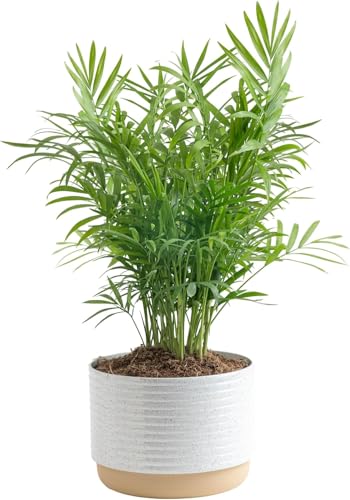
- Why they work in bathrooms: Appreciate humidity and gentle, indirect light—think near a frosted or shaded window.
- Light: Medium to bright, indirect light. Too little light makes them thin and leggy.
- Water & humidity: Keep soil lightly moist but never soggy. Your steamy showers help them feel at home.
- Pet notes: Generally considered non-toxic to cats and dogs. Use a wide, stable pot if they’re on the floor so wagging tails don’t topple them.
Cast Iron Plant (Aspidistra elatior) 🛡️

If your bathroom has low light and you tend to forget watering schedules, cast iron plant might be your hero. It’s tough, slow-growing, and wonderfully forgiving.
- Why it works in bathrooms: Tolerates low light and uneven care better than most plants.
- Light: Low to medium light. Great for bathrooms with only a small window or door-open borrowed light.
- Water & humidity: Let the top soil dry out a bit between waterings; overwatering is more dangerous than a short dry spell.
- Pet notes: Often listed as non-toxic. Thick leaves and sturdy growth make it a good floor plant in pet homes.
Peperomia Species (Baby Rubber Plant & Friends) 🍼🌱
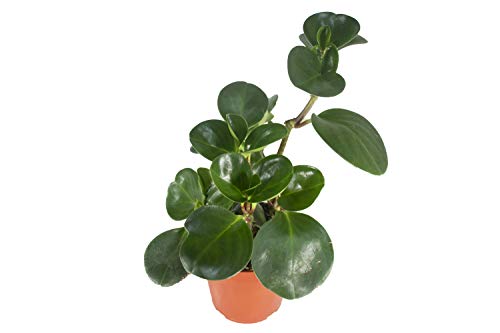
Peperomias come in many shapes and textures—puckered leaves, trailing habits, solid or variegated foliage. Many of them stay small, which is perfect for bathroom shelves.

- Why they work in bathrooms: Enjoy moderate humidity and don’t take up much space.
- Light: Bright, indirect light is best, but some varieties handle medium light.
- Water & humidity: Let the top of the soil dry between waterings; they dislike staying soggy.
- Pet notes: Many Peperomias are considered non-toxic. Still, you’ll want to keep them where pets aren’t constantly chewing on the leaves.
African Violet (Saintpaulia) 🌸

If you want flowers in your bathroom, African violets are a great option. They stay small and reward you with colorful blooms in the right conditions.
- Why it works in bathrooms: Likes humidity and does well on bright windowsills that don’t get harsh, direct midday sun.
- Light: Bright, indirect light. A bright east or north-facing bathroom window is perfect.
- Water & humidity: Keep soil evenly moist but avoid splashing water onto the leaves to prevent spotting.
- Pet notes: Commonly listed as non-toxic. Just keep pots stable so pets don’t knock them into the sink or tub.
Bromeliads 🌈

Bromeliads add serious tropical flair with their rosettes and colorful “cups.” They’re often grown in loose, airy mixes and love humidity.
- Why they work in bathrooms: Many bromeliads naturally grow in humid forests and love moisture in the air.
- Light: Bright, indirect light is best. A bright bathroom window that doesn’t roast them works well.
- Water & humidity: Keep the central “cup” lightly filled with water and refresh regularly. Avoid waterlogging the potting mix.
- Pet notes: Many bromeliads are considered non-toxic. Still, you don’t want pets drinking out of the cups, so place them a bit higher if your pet is extra curious.
Phalaenopsis & Other Common Orchids 🌺
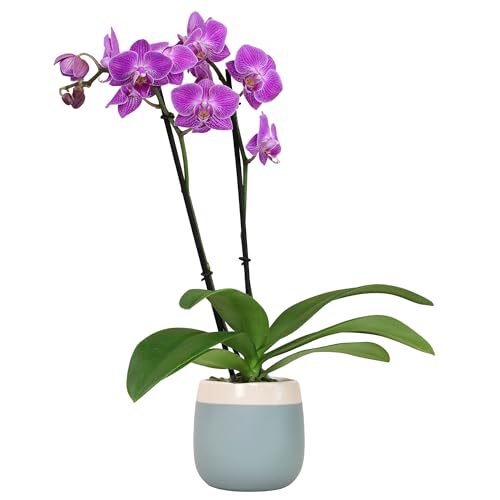
Orchids might look fancy, but many are surprisingly happy in bright, steamy bathrooms—especially Phalaenopsis (moth orchids).
- Why they work in bathrooms: They’re naturally adapted to growing in humid air with filtered light, similar to a bright bathroom.
- Light: Bright, indirect light—no harsh midday sun through clear glass.
- Water & humidity: Let roots dry slightly between waterings. Extra humidity from showers can help them thrive.
- Pet notes: Many commonly grown orchids are considered non-toxic, but always double-check the specific type you’re bringing home.
Popular “Bathroom Plants” to Avoid in Pet Homes 🚫🐾
Some very popular bathroom plants are not good choices if you share your home with cats and dogs. They often show up on houseplant lists without any pet-safety warnings.
- Pothos (Epipremnum aureum): Often recommended for low-light bathrooms, but toxic to pets if chewed.
- Peace lily (Spathiphyllum): Loves humidity but can cause problems for cats and dogs.
- Philodendrons: Another common “bathroom plant” group that’s not pet-safe.
- Snake plant (Sansevieria): Tough and trendy, but not a good fit for pet homes if your animals like to chew.
- Aloe: Great for humans, not so great for pets that chew the leaves.
If you already own these plants, keep them in no-pet areas or high, out-of-reach spots where your animals genuinely can’t access them.
Bathroom Setup Tips: Drainage, Mold & Keeping Leaves off the Floor 🧼
Bathrooms can be a bit of a balancing act—plenty of moisture in the air, but also the risk of mold and musty smells if you overdo it. Here’s how to keep things fresh.
Use well-draining pots and mix
- Always use pots with drainage holes, not just decorative containers with no way for water to escape.
- Choose a high-quality, well-draining potting mix instead of garden soil.
- Empty saucers and cachepots regularly so water doesn’t sit at the bottom and grow mold.
Prevent mold and musty smells
- Don’t water “just because the room is humid.” Check the soil with your finger before you water.
- Run the bathroom fan or open a window after steamy showers to let excess moisture escape.
- Wipe splashed water off leaves and pots so algae and mildew don’t build up.
Pet-conscious placement ideas
- Avoid placing pots right on the back of the toilet if your cat uses it as a perch.
- Lift plants up with sturdy stands, shelves, or hanging planters so they aren’t sitting in puddles on the floor.
- Keep plants away from litter boxes and toilet bowls, where pets may already be sniffing or drinking.
ASPCA Safety Reminder for Bathroom Plants 🌐
When in doubt, always double-check a plant using a trusted resource like the ASPCA’s toxic and non-toxic plant lists or a university extension site before you bring it home.
🌿 Quick Safety Reminder for Pet Parents
“Pet-safe” or “non-toxic” usually means a plant is unlikely to cause serious poisoning in small amounts – not that it’s a free snack. Even safe plants can still cause mild stomach upset if your pet eats a lot of foliage.
FAQs: Bathroom Plants Safe for Cats and Dogs ❓
Can I really keep plants in a steamy bathroom with cats and dogs?
Yes, you can! Many tropical houseplants love the extra humidity in a bathroom, and plenty of them are considered safer choices for pets. The key is choosing non-toxic plants, giving them proper drainage, and placing them where curious noses and paws can’t destroy them or knock them over.
What bathroom plants are safest for both cats and dogs?
Some commonly recommended bathroom plants that are considered safer for cats and dogs include spider plants, Boston and lemon button ferns, bird’s nest fern, parlor or Areca palms, cast iron plants, many Peperomia species, African violets, bromeliads, and certain orchids. Always double-check each plant on a trusted toxic and non-toxic list before buying.
Will bathroom humidity be enough, or do I still need to mist or use a humidifier?
For many plants, regular showers in the bathroom provide a nice humidity boost on their own. You may not need to mist at all. It’s usually better to focus on watering the soil correctly and using good ventilation than constantly misting, which can encourage mold if overdone.
Can I put plants in a windowless bathroom and keep my pets safe?
Yes, but you’ll need to be a bit more intentional. In a windowless bathroom, even tough plants need some form of light—usually a small grow light on a timer. Choose pet-safe plants that tolerate low light, give them time under the grow light each day, and keep the door open regularly so the room doesn’t stay dark and stale.
Do bathroom plants help with mold and air quality?
Plants can absorb some moisture and may slightly soften that “steamy bathroom” feel, but they’re not a replacement for a good fan, open windows, and regular cleaning. Think of bathroom plants as one small part of a fresh, pleasant space—not your only tool against mold.
Which common bathroom plants should I avoid if I have cats or dogs?
Avoid popular but toxic choices like pothos, peace lily, philodendron, snake plant, and aloe if your pets have access to the bathroom. These show up on many bathroom plant lists but can cause issues for cats and dogs if chewed or swallowed.
What should I do if my pet eats part of a bathroom plant?
First, gently remove what you can from their mouth if it’s safe to do so. Then identify the plant or take clear photos of it and its tag. If the plant is known to be toxic—or you can’t confirm its identity—call your veterinarian or an animal poison hotline for guidance. Even with safer plants, it’s a good idea to watch for vomiting, diarrhea, drooling, or changes in behavior.
Conclusion: Turn Your Bathroom into a Pet-Safe Mini Spa 🌈

You don’t have to choose between a calm, plant-filled bathroom and a safe space for your cats and dogs. With the right bathroom plants safe for cats and dogs, thoughtful placement, and a few simple habits, you can enjoy both.
- Pick non-toxic, humidity-loving plants that match your bathroom’s light level.
- Use well-draining pots and avoid overwatering to keep mold at bay.
- Check each plant on a trusted toxic and non-toxic list before you bring it home.
Over time, you’ll figure out which plants make your bathroom feel like a spa—for you and your pets. Start with one or two of the options in this guide, see how they do, and grow your pet-safe bathroom jungle from there. 🌿🐾
👉 Best Pet Friendly Indoor Plants for Small Spaces
References 📚
- Iowa State University Extension – Houseplants and Indoor Gardening
- University of Tennessee Extension – Growing Indoor Plants with Pets (W1128-C)
- University of Maryland Extension – Are Your Houseplants Safe for Your Pet?
- Penn State Extension – Indoor Humidity for Houseplants
- Clemson Cooperative Extension – Growing Indoor Plants
- ASPCA – Toxic and Non-Toxic Plants List