
This post may contain affiliate links. If you buy something from one of our links we may earn a commission. Thanks

If you want cleaner, fresher air at home without putting your pets at risk, you’re in the perfect spot.
In this guide, you’ll explore Air-Purifying Plants That Are Safe for Pets—easy, beautiful picks that bring a breath of fresh air into your space while keeping cats and dogs completely safe.
What You’ll Learn 🎁
- 🌿 The truth about “air-purifying” plants and what they can realistically do for your home
- 🐾 What “pet-safe” actually means when it comes to cats, dogs, and houseplants
- 🌱 A short list of air-improving plants that are also considered non-toxic for pets
- 💡 How to choose the right plants for your light level, watering style, and space
- 🧺 Tips for creating a small “clean air corner” that works with pets, not against them
- ❓ Clear answers to common questions about plants, pets, and indoor air quality
Air-Purifying Plants That Are Safe for Pets 🌿🐾
You’ve probably seen those lists of “air-purifying plants” that promise cleaner air and a calmer home.
Then you dig a little deeper and find out a bunch of them are toxic to cats and dogs. Not exactly relaxing.
“I want air-purifying plants, but I’m scared they’re toxic to my pets—what’s actually safe?” If that sounds like you, you’re in the right place.
In this guide, you’ll learn how plants really affect indoor air, which popular “clean air” plants don’t play nice with pets, and which air-improving, pet-safe houseplants you can confidently bring home.
You’ll also get simple care tips so your plants help your air instead of just collecting dust.
Do Houseplants Really Purify the Air? 🌬️ Myth vs Reality

Let’s start with a quick reality check. The idea that certain houseplants can “purify” your indoor air comes from older studies done in very controlled, sealed environments—not your average apartment with drafty windows and a bathroom fan.
Where the “air-purifying plants” idea came from
- Early lab studies showed that plants in small, sealed chambers could remove certain pollutants (like benzene and formaldehyde) from the air.
- Those results were exciting, but they don’t scale perfectly to a real home with doors opening, air moving, and new pollutants constantly drifting in.
The NASA Clean Air Study was a project led by the National Aeronautics and Space Administration (NASA) in association with the Associated Landscape Contractors of America (ALCA) in 1989, to research ways to clean the air in sealed environments such as space stations. Its results suggested that, in addition to absorbing carbon dioxide and releasing oxygen through photosynthesis, certain common indoor plants may also provide a natural way of removing volatile organic pollutants (benzene, formaldehyde, and trichloroethylene were tested).
https://en.wikipedia.org/wiki/NASA_Clean_Air_Study
In most normal homes, you’d need a lot of large plants to make a big measurable difference in VOCs (volatile organic compounds). That doesn’t mean plants are useless—it just means they’re one piece of the puzzle, not a magic filter.
What plants can realistically do in your space
- ✨ Add humidity to dry indoor air, especially ferns and palms.
- 🧹 Trap dust on their leaf surfaces instead of it all floating around.
- 🌱 Help with small amounts of pollutants as they photosynthesize.
- 🧠 Make your space feel calmer, greener, and “fresher,” which is a real benefit on its own.
Think of air-purifying plants as good teammates working alongside ventilation, cleaning, and low-VOC products—not as a replacement for all of those things.
What “Pet-Safe” Really Means 🐾

Now for the other half of the equation: your pets. A plant can be a superstar on an air-purifying list and still be a terrible roommate for your cat or dog.
Non-toxic vs toxic: decoding the labels
- Non-toxic / pet-safe: Plants that are not expected to cause serious poisoning in cats or dogs if they nibble a small amount.
- Toxic: Plants known to cause more severe issues—vomiting, drooling, heart problems, tremors, or organ damage—if eaten.
Even “safe” plants aren’t meant to be snacks. Any plant material can irritate the stomach if your pet gobbles a lot of it. The goal is to choose plants that offer lower risk if they get a small bite, and then place them so big snacks are unlikely.
Popular “air-purifiers” that are not pet-friendly
A lot of the famous “clean air” plants on generic lists are actually no-go’s for pet homes, including:
- Peace lily
- Snake plant
- Pothos and many philodendrons
- Dracaena and corn plant
- Sago palm
- Some lilies and amaryllis
They might be great for air in theory, but they’re just not worth the risk if your pets are part of the family.
How to double-check any plant before you buy it
- Look for the plant’s common name and scientific name on the tag.
- Search both names in a trusted pet-safety resource like the ASPCA plant database.
- Cross-check with a university extension article whenever you can.
- If you can’t confirm that it’s non-toxic, either skip it or keep it in a true no-pet zone.
How to Choose Air-Purifying Plants That Are Safe for Pets 🌱
Once you know what to avoid, choosing pet-safe, air-improving plants is all about matching them to your light, watering style, and space.
1. Start with your light level
- Bright indirect light: Close to a sunny window but not in harsh, hot sun. Great for many palms and spider plants.
- Medium light: Bright room a bit further from windows or with filtered light.
- Low light: Rooms that feel dim most of the day. Many “air-purifier” lists lean toward plants that want more than this.
Most of the pet-safe options in this post will be happiest in bright, indirect to medium light. If your home is truly low-light, you might pair plants with a small grow light to keep everyone happier.
2. Match plants to your watering personality
- 💧 Chronic over-waterer? Choose plants that like evenly moist soil—but always in pots with drainage holes so excess water can escape.
- 🌵 Forgetful waterer? Go for tougher choices that can handle a short dry spell without falling apart.
- 🪴 Good compromise: Aim for plants that like the top inch of soil to dry out a bit between waterings, not bone-dry and not swampy.
3. Plan around your small space and your pets
- Use vertical space—wall shelves, hanging planters, plant stands—to keep pots above the “zoomies zone.”
- Choose sturdy pots that are harder to knock over, especially for larger plants like palms.
- Avoid putting plants right next to your pet’s food dishes, litter box, favorite nap spot, or jumping platforms.
Air-Purifying Plants That Are Safe for Pets 🐾🌿
Here are some plants that commonly show up on both pet-safe lists and air-improving plant roundups. They’re not magical filters, but they can help your space feel fresher and more comfortable.
Spider Plant (Chlorophytum comosum) 🌱

Spider plants are one of the easiest indoor plants to live with and are often recommended as a beginner-friendly, pet-safe “clean air helper.” Those arching leaves and dangling baby plants also help catch dust and add movement to your space.
- Why it’s a win: Frequently listed as non-toxic to cats and dogs and easy to grow in a wide range of homes.
- Light: Bright, indirect light is best, but they can tolerate medium light.
- Water: Let the top of the soil dry slightly between waterings. Avoid letting it sit in soggy soil.
- Pet tip: Some cats love to swat at the babies, so consider hanging baskets or high shelves if you have a playful kitty.
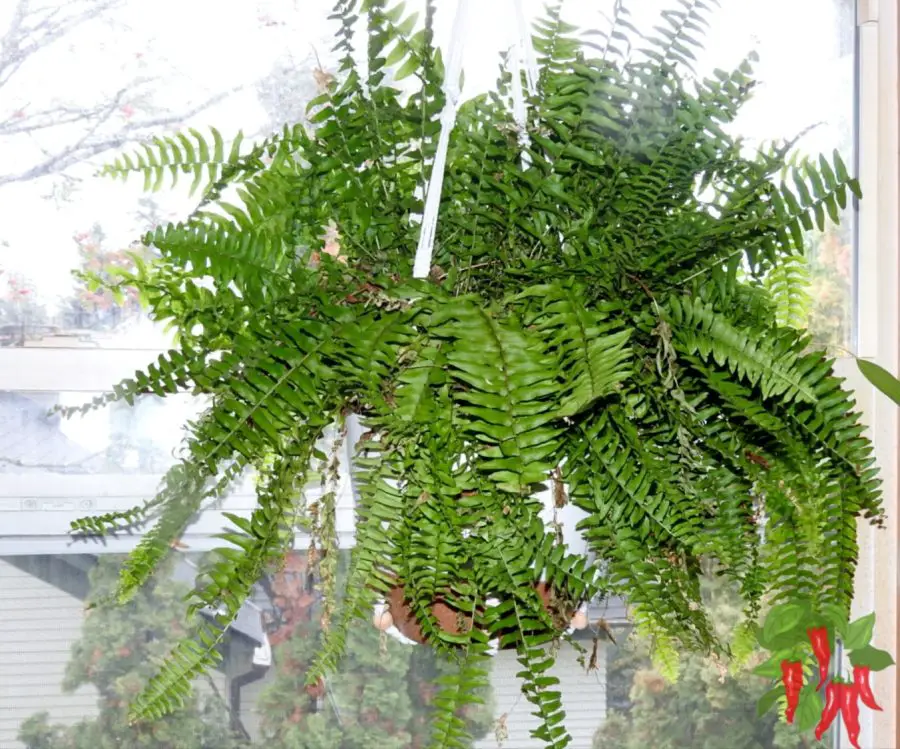
Boston Fern & Lemon Button Fern (Nephrolepis spp.) 🌿

Ferns are humidity lovers that bring a soft, lush feel to your home. Boston fern and its smaller cousin, lemon button fern, are often recommended as pet-safer choices that can help your air feel less dry and “stale.”
- Why they’re helpful: Dense, feathery fronds trap dust and add humidity as they transpire.
- Light: Bright, indirect light—near a window but not blasted by hot midday sun.
- Water: They like consistently moist soil and appreciate higher humidity (bathrooms, pebble trays, or grouping with other plants).
- Pet tip: Keep pots off the floor if your pets like to dig. A plant stand or hanging planter works well.
Areca Palm (Dypsis lutescens) 🌴

Areca palm is one of the classic “clean air” plants and is also considered a pet-safe palm. Its feathery fronds give you that tropical feel and help boost humidity in drier rooms.
- Why it’s a win: Often listed as non-toxic to pets and recommended in air-quality discussions for its size and transpiration.
- Light: Bright, indirect light for best color and growth.
- Water: Allow the top inch of soil to dry slightly between waterings. They don’t like “wet feet.”
- Pet tip: Larger palms can be tempting to chew or climb, so place them where pets can’t easily leap into the pot.
Bamboo Palm & Parlor Palm (Chamaedorea spp.) 🎋

Bamboo palm and parlor palm are more compact cousins in the palm family that work well in apartments and smaller rooms. They’re known for handling lower light than many other palms while still adding greenery and gentle humidity.
- Why they’re helpful: Frequently listed as pet-safe and often recommended as part of “clean air” plant groupings.
- Light: Medium to bright, indirect light. Parlor palm is especially good in bright rooms away from direct sun.
- Water: Keep the soil lightly moist but never soggy; let the top layer dry a bit before you water again.
- Pet tip: Use heavier pots so they don’t tip if a curious pet brushes past them.
Purple Waffle Plant (Hemigraphis alternata) 💜

Purple waffle plant is a small, colorful option that brings in rich purple tones and textured leaves. It’s often highlighted as a strong “air helper” in research settings and makes a great addition to a plant cluster.
- Why it’s helpful: Dense foliage means more surface area to trap dust and interact with the air.
- Light: Bright, indirect light keeps the purple color vivid.
- Water: Likes consistently moist soil and doesn’t appreciate drying out completely.
- Pet tip: Great for grouping with ferns and palms on a shelf or stand just out of easy reach.
Nerve Plant (Fittonia albivenis) 🌈

Nerve plant is that dramatic little foliage plant with bright pink, red, or white veins. It stays small, thrives in group plantings, and can help create a lush, humid mini-jungle when combined with other houseplants.
- Why it’s helpful: Thick clusters of leaves help trap dust and boost humidity when grouped with other plants.
- Light: Medium to bright, indirect light. Too much direct sun can scorch the leaves.
- Water: Does not like to dry out completely. It may wilt dramatically when dry but usually perks back up after watering.
- Pet tip: Best in a grouped “plant zone” instead of on the floor where it could be trampled.
Peperomia (Peperomia spp.) 🌱
 Peperomias come in lots of shapes and textures—ripples, stripes, raindrop leaves—and many are considered pet-safe. They stay compact, making them perfect for desks, shelves, and windowsills where you want a little extra green.
- Why they’re helpful: Dense foliage in small pots helps trap dust and adds to the overall greenery “team effect.”
- Light: Bright to medium, indirect light.
- Water: Let the top of the soil dry slightly between waterings; many peperomias have semi-succulent leaves.
- Pet tip: Great choice for shelves that your pets don’t frequent.
Bonus: Pet-Safe Bloomers in Your “Clean Air Corner” 🌸

While they’re not usually on strict “air-purifier” lists, adding a few pet-safer bloomers like African violets or Phalaenopsis orchids to your plant group can bump up the greenery, humidity, and color.
- Light: Bright, indirect light.
- Water: Even moisture and the right potting media (violet mix for African violets, bark for orchids).
- Bonus: Flowers + pet safety + the same general air-improving benefits you get from other healthy plants.
Create a Pet-Safe “Clean Air Corner” 🧺🌿
You don’t need 50 plants to get started. A small grouping can make a big difference in how your space feels.
Group plants for better effect
- Cluster 3–6 plants with similar light and water needs.
- Use different heights: a palm on the floor, a fern on a stand, and smaller plants like Fittonia and purple waffle plant on a shelf.
- Add a tray of pebbles with water under some pots to boost humidity without waterlogging the roots.
Combine plants with good air habits
- Open windows when outdoor air is decent to bring in fresh air.
- Use exhaust fans in kitchens and bathrooms when cooking or showering.
- Choose low-VOC cleaners and finishes whenever you can.
Pet-proof your green zone
- Use heavier pots or cachepots so larger plants don’t topple easily.
- Keep trailing plants above “chew height” if you have curious cats or dogs.
- Offer “legal” greens like cat grass or wheatgrass in a separate spot to satisfy chewing instincts.
Quick Safety Check for Pet Parents 🌐
Even with a carefully chosen list, it’s smart to double-check every plant—especially if your pets like to nibble or chew.
🌿 Before You Buy: Pet-Safe Plant Checklist
“Non-toxic” or “pet-safe” usually means a plant is unlikely to cause serious poisoning in small amounts – not that your cat or dog can graze on it like salad. Even safe plants can still cause mild stomach upset if your pet eats a big chunk of leaves or stems.
Make it a habit to look up both the common and scientific names of any new plant using a trusted resource before it comes through your front door.
FAQs: Air-Purifying Plants That Are Safe for Pets ❓
Do houseplants really purify indoor air, or is that just a myth?
Houseplants can remove small amounts of certain pollutants under controlled conditions, but in real homes they’re not a replacement for ventilation or air filters. Think of them as helpful teammates—they add humidity, trap some dust, and make your space feel fresher, but they’re not a magic air scrubber all by themselves.
Can air-purifying plants be completely safe for pets?
No plant is 100% risk-free as a snack, but many species are classified as non-toxic for cats and dogs by trusted pet-safety sources. That means they’re unlikely to cause serious poisoning in small amounts. Your goal is to pick those lower-risk plants and still discourage your pets from chewing them.
Are spider plants really safe and good for indoor air?
Spider plants are widely considered non-toxic to cats and dogs and are often recommended as beginner-friendly air-improving plants. They’re easy to grow, help catch dust on their leaves, and add to the overall “cleaner, greener” feel in your home when kept healthy.
Which air-purifying plants should I avoid if I have pets?
Some popular “clean air” choices to be cautious with in pet homes include peace lily, snake plant, pothos, many philodendrons, dracaena, sago palm, and some lilies and amaryllis. They might be fine in a home without pets, but they’re not worth the risk if you have curious cats or dogs.
How many plants do I need to improve air quality in my apartment?
Strictly from a scientific standpoint, you’d need a lot of large plants to dramatically change VOC levels. But from a practical standpoint, even a small cluster of 3–6 healthy plants can boost humidity, catch dust, and make your space feel noticeably fresher and greener.
What should I do if my pet eats part of an “air-purifying” plant?
First, gently remove any remaining plant material from their mouth if it’s safe to do so. Identify the plant or take clear photos of it and the tag. Then check a trusted plant-safety list. If the plant is toxic, or if you’re unsure what it is, call your veterinarian or a pet poison hotline right away. Even with safer plants, keep an eye out for vomiting, diarrhea, drooling, or changes in behavior.
Can I rely on plants alone instead of an air purifier?
No. Plants are a great addition to a healthy home, but they don’t replace basic air-quality habits like good ventilation, using exhaust fans, reducing pollution sources, and using an air purifier when needed. Use plants as part of a broader “clean air toolkit,” not as the only tool.
Conclusion: Breathe Easier with Plants and Pets 🌿💚
You don’t have to choose between cleaner-feeling air and your pets’ safety. With a little planning, you can build a small jungle of air-improving, pet-safe plants that makes your space feel calmer, greener, and more comfortable.
- Start with a few forgiving choices like spider plant, a pet-safe fern, and a parlor or areca palm.
- Group them into a cozy “clean air corner” that fits your light and your room layout.
- Bookmark the ASPCA plant list and a favorite extension site so you can check any new plant before it comes home.
From there, you can slowly add more plants, experiment with new textures and varieties, and build a pet-safe indoor jungle that helps you breathe a little easier every day. 🌿🐾
👉 Best Pet Friendly Indoor Plants for Small Spaces
References 📚
- Clemson Cooperative Extension – Pet-Friendly Houseplants
- Clemson Cooperative Extension – Pet Owners Beware: 11 Poisonous Houseplants to Avoid
- University of Tennessee Extension – Growing Indoor Plants with Pets (W1128-C)
- UC Master Gardeners – Pets and Plants in the Home & Garden
- Cornell Cooperative Extension – Houseplants for Healthier Indoor Air
- Iowa State University Extension – Improving Indoor Air Quality with Houseplants
- University of Hawai‘i CTAHR – Using Houseplants to Clean Indoor Air
- UF/IFAS Extension – Plants Improve Indoor Air Quality
- ASPCA – Toxic and Non-Toxic Plants List