
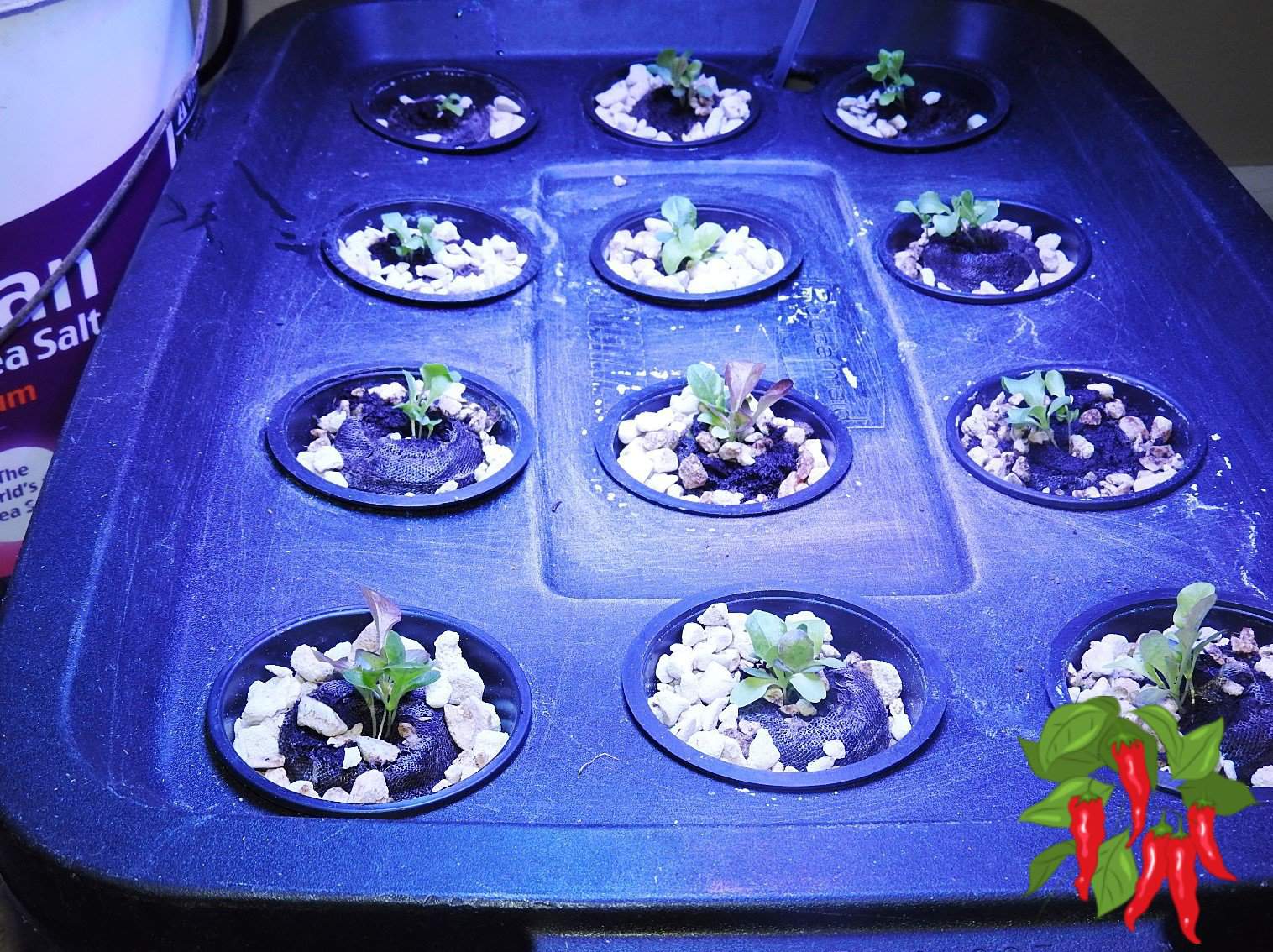
Growing vegetables indoors for beginners is easier than most people think once you understand the basics of lighting, watering, and choosing the right plants.
Leafy greens, herbs, lettuce, and even crops like peppers and tomatoes can be grown indoors with the right setup and enough light.
This guide answers common beginner questions about indoor vegetable gardening, apartment growing, hydroponics, lighting, and easy crops to start with indoors.
What You’ll Learn
- 💡 Why lighting is the most important part of indoor gardening
- 🥬 The easiest vegetables and herbs for beginners
- 🏡 How to grow vegetables in apartments and small spaces
- 🌱 Beginner-friendly hydroponic growing methods
- 🪴 What equipment you actually need to get started
Getting Started Growing Vegetables Indoors
Growing vegetables indoors for beginners does not need to be complicated. With the right light, a few simple supplies, and easy crops like lettuce or herbs, you can start growing food successfully indoors.
This guide covers practical beginner tips for indoor vegetable gardening, including lighting, hydroponics, apartment growing, and easy vegetables to start with.
There is a ton of information about growing vegetables indoors for beginners. But here I want to answer some FAQs that beginning gardeners ask.
So this will not be a lengthy how-to guide about growing vegetables indoors for beginners.
I have links to my other articles for more details. I wanted to keep this simple. It is just meant to be a starting point for your journey.
If you are new to growing vegetables indoors I think it will be useful. I will talk about light, what vegetables to grow, and some ways to do it.
Growing vegetables indoors is different. Outdoors you have the sun.
But indoors the #1 thing you need is enough light, especially for plants like tomatoes or peppers.
Microgreens, basil, most herbs, and lettuce need much less light. But a windowsill won’t cut it for most vegetable plants.
You can get away with shop lights for greens, herbs, and lettuce. But plants like peppers, tomatoes, or cucumbers are going to need much more light than they can provide.
I would use LED lights because they use less power and give more light than anything else.
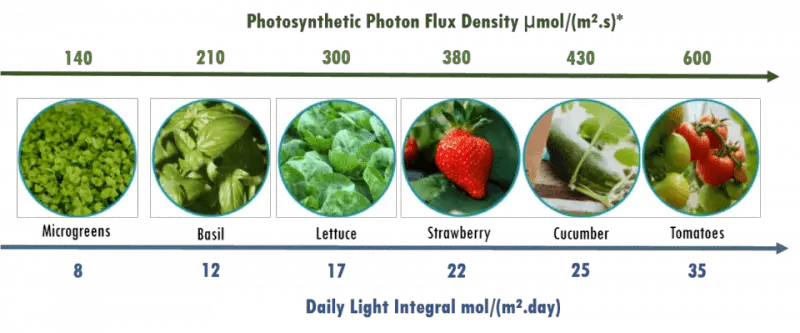
DLI is a way to measure how much light a plant needs to grow. As you can see from the photo below some plants like tomatoes require twice as much light as lettuce.
In the winter short days and cloudy weather will mean you will be growing vegetables indoors with lights.
Read more about DLI
Indoor Vegetable Lighting Quick Guide
- 🥬 Lettuce and herbs need less light
- 🍅 Tomatoes and peppers need much stronger lighting
- 💡 LED grow lights work best indoors
- ☀️ Windows alone usually are not enough for fruiting plants
Growing Vegetables Indoors For Beginners FAQ
How do I start an indoor garden for beginners?
If you have never grown vegetables before it can seem a bit intimidating. People throw a lot of information at you and much of it is contradictory.
It really is not that hard to grow vegetables in your apartment because plants already know how to grow. Mostly they need light and some food and water.

A good way to start is with an AeroGarden. It is a grow kit. All you need to do is fill it with water add your preplanted vegetables or herbs and plug it in.
What AeroGarden Should I Buy? [How To Choose The Best AeroGarden] (indoorvegetablegrower.com)
It will provide the light you need and it is very simple to use. I think it is very important that your first grow is successful.
I grow with a lot of different systems but I love my AeroGarden Harvest and its simplicity. It provides me with herbs on a weekly basis. https://www.indoorgardenspace.com/aerogarden-harvest-review/
How do I start growing vegetables indoors?
You start by deciding what you want to grow. Make sure you have enough light and space for your crop.
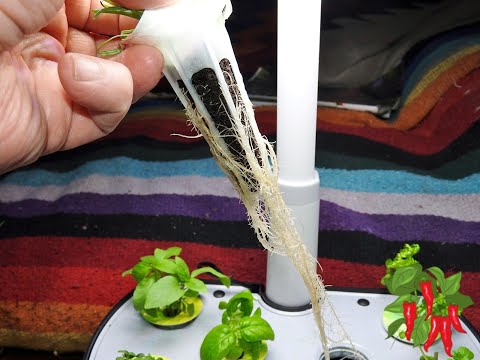
You will need to decide if you want to grow in soil or hydroponics. I think hydroponics is easier indoors and less messy. It is easier to get water from a tap than to lug bags of soil around.
Can you grow vegetables indoors all year round?
Absolutely! That’s the whole idea. You need to provide supplemental lighting in winter. Plants actually do better indoors because the climate is more stable. It doesn’t snow or gets windy indoors.
What vegetables should you start indoors first?
Greens, lettuce, and herbs are the easiest. They need less light than fruiting plants and they also mature faster.
You can grow succession crops year-round with these. Lettuce for example is only about 45 days from seed.
What vegetables grow well in an apartment?
As long as you can provide the light they need the sky is the limit. Many people grow lettuce and other greens but tomatoes and peppers also do well indoors.
How can I grow food when I live in an apartment?
You can grow hydroponic vegetables like lettuce using the Kratky method. You can grow just about anything with hydroponics except root crops.
Hempy buckets or GroBuckets work well for larger plants and are very affordable.
How do you grow vegetables in an apartment balcony?
If you have a sunny balcony growing vegetables in planters will work fine. I prefer growing indoors because it is year-round and climate is less of an issue. But you can probably use your balcony 6 months out of the year.
What do I need for an indoor vegetable garden?
You will need to decide how you want to grow vegetables. You may want to grow traditionally in pots and saucers.
5-gallon buckets are popular for larger plants. There are also hydroponic systems and systems that use soil or coco. https://www.indoorgardenspace.com/growing-vegetables-in-coco-coir/
I think having adequate lighting is the most important thing when you are growing indoors.
A balcony may work during the summer months but if you are planning on growing vegetables indoors in winter then you will need a good light.
This will probably be the most expensive part of gardening indoors.
If you are brand new to growing vegetables indoors it may be easier for you to buy transplants instead of growing from seed.
Is it worth growing vegetables indoors?
Some things simply don’t have a price. Like eating a salad you grew yourself. To me, the satisfaction of growing my own food makes it worth doing even if I could buy something cheaper at the supermarket.
Try to find a decent-tasting tomato at the supermarket. Some things are just better homegrown.
But even putting that aside I do think growing your own vegetables is worth it.
Your only real expense is a grow light and they can last for many years.
Also, most pots can be used multiple times. Once you make the initial investment your only real expense is buying seeds or plants.
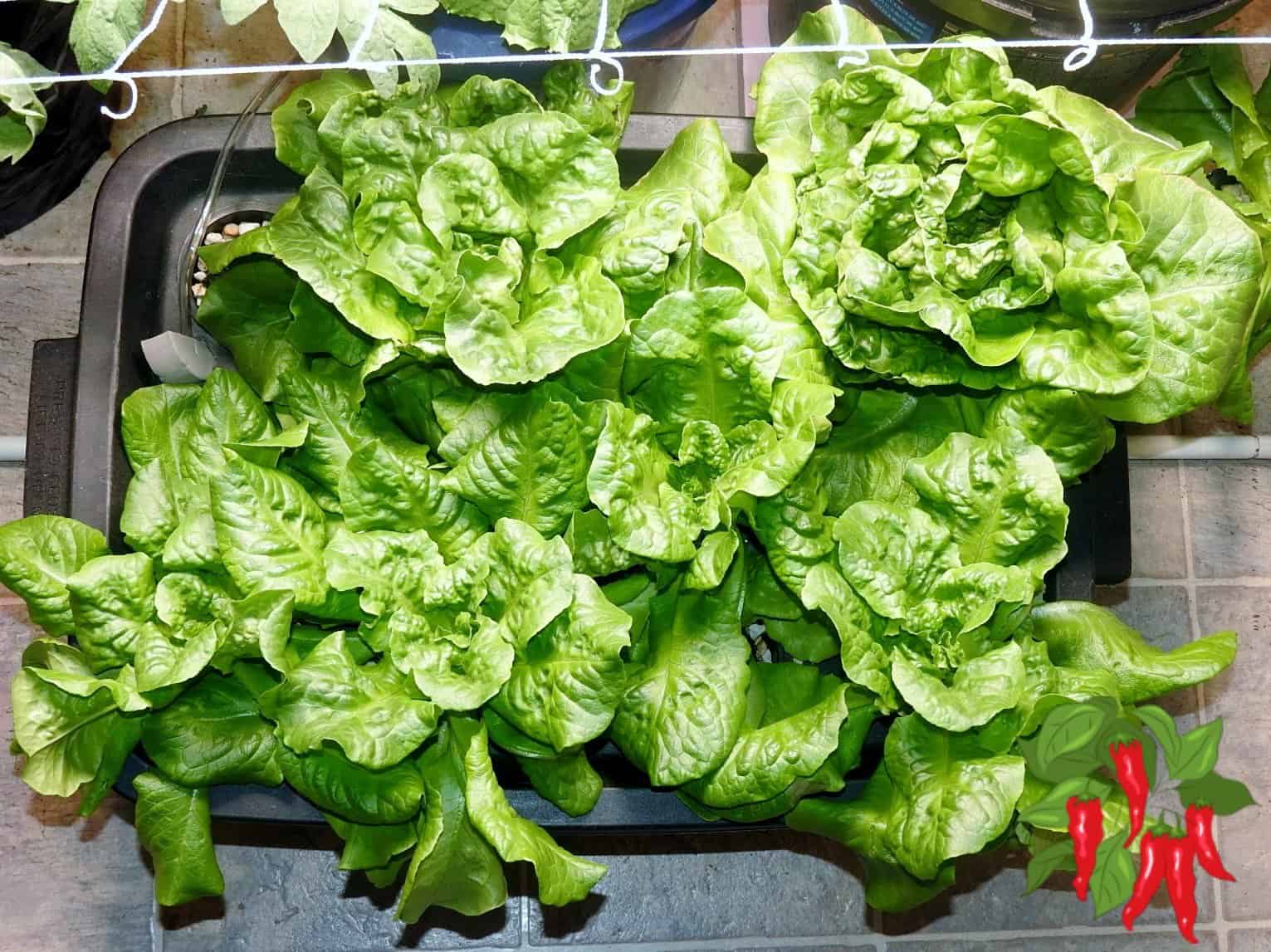
Read how I built this inexpensive Kratky lettuce system.
Growing Vegetables Indoors For Beginners Final Thoughts
Growing vegetables indoors is one of the easiest ways to produce fresh herbs, greens, and vegetables year-round even in apartments or small spaces.
The biggest factor in successful indoor gardening is providing enough light, especially for crops like tomatoes and peppers.
Starting with simple crops like lettuce, herbs, or microgreens can help beginners build confidence before moving on to larger fruiting plants.
If you want to explore more indoor food growing methods, check out this guide to apartment kitchen gardening.
Growing Vegetables Indoors For Beginners Final Thoughts
I hope this article has helped make growing vegetables indoors year round feel a little less intimidating. It really is not as difficult or expensive as many people think once you understand the basics.
The biggest thing to remember is that light will usually be your limiting factor indoors, especially for crops like tomatoes and peppers. Greens, herbs, lettuce, and microgreens are much easier starting points for beginners.
Once you get your first successful harvest, whether it is basil, lettuce, or a tomato plant, indoor gardening starts to make a lot more sense. There is just something satisfying about growing your own food indoors.
Don’t forget light will be your limiting factor and not the way you grow or what you grow.
As the old proverb says: The journey of a thousand miles begins with a single step. So take that step and happy growing.
If you want to keep learning, you can also read more about building an apartment kitchen garden or different methods for growing vegetables indoors year round.